
📘 AEHR TEST SYSTEMS (AEHR) — Investment Overview
🧩 Business Model Overview
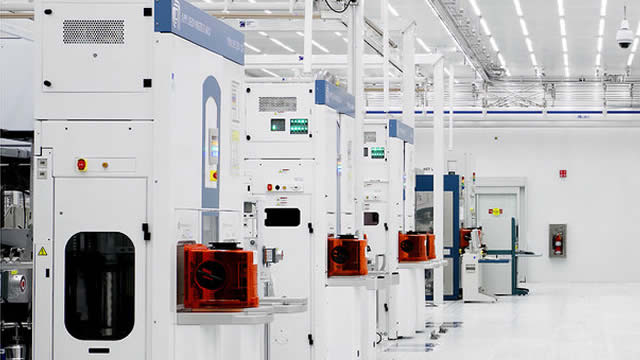
AEHR Test Systems designs and manufactures automated test systems used in semiconductor device verification, including reliability-focused workflows such as burn-in and high-speed production testing. The company sells complex, application-specific platforms to semiconductor manufacturers and outsourced semiconductor assembly & test (OSAT) providers. In practice, AEHR’s value chain spans (1) engineering-led system design aligned to device characteristics and test requirements, (2) hardware and control-system integration, (3) installation and qualification with customer processes, and (4) ongoing service/support and system upgrades. Customer adoption tends to be “stickier” than typical standalone industrial equipment because test systems must be integrated into a customer’s characterization flow, software environment, and manufacturing controls.💰 Revenue Streams & Monetisation Model
AEHR’s monetisation primarily comes from:- System sales (transactional): One-time revenue tied to new test capacity, technology transitions, and qualification cycles.
- Service and maintenance (more recurring): Support, preventive maintenance, spares, and maintenance programs that sustain uptime and protect test performance.
- Upgrades / engineering add-ons (opportunistic recurring component): Enhancements to match evolving device requirements, higher throughput needs, or reliability/test coverage improvements.
🧠 Competitive Advantages & Market Positioning
AEHR’s most tangible moat is high switching costs driven by integration and qualification requirements, combined with technical know-how embedded in custom test system configurations.- High switching costs (test program + process integration): Once a platform is qualified for a specific device family and production flow, customers incur meaningful costs to validate new systems—both in engineering time and in manufacturing disruption risk.
- Installed-base learning and know-how: AEHR’s repeated deployment across device/test types supports iterative improvements in throughput, reliability workflows, and system configuration efficiency.
- IP and engineering barriers: Test systems rely on specialized architecture and control/measurement methods; these create friction for entrants attempting to match performance across multiple device generations.
- Teradyne: Broad ATE portfolio across multiple semiconductor end markets, often competing on scale and platform breadth.
- Advantest: Large-scale tester platforms with extensive coverage across wafer sort and production test use cases.
- FormFactor: While not a direct “system” peer for AEHR’s specific reliability/test platform niche, it competes for critical test-adjacent subsystems (notably probe-related technologies), reflecting how competitors can influence the testing stack.
🚀 Multi-Year Growth Drivers
Key secular drivers that can expand AEHR’s addressable market over a 5–10 year horizon include:- Semiconductor content growth and device complexity: More sophisticated memory and logic designs increase the amount and complexity of test and reliability validation per unit.
- Reliability and burn-in intensity: As feature sizes and operating conditions become more demanding, ensuring stable performance increases the importance of structured reliability workflows.
- Outsourcing and capacity dispersion: OSAT participation and regional manufacturing strategies can require incremental test capacity, new system qualifications, and upgrades.
- Technology transitions and throughput upgrades: Device generation changes and process shrinks typically trigger test-system requalification and performance upgrades, supporting the services and upgrade revenue stream.
⚠ Risk Factors to Monitor
- Semiconductor equipment cyclicality: Test system purchases are tied to customer capex cycles; demand can weaken when memory/logic investment budgets compress.
- Qualification timelines and backlog quality: System revenue depends on customer engineering acceptance and factory readiness; delays can shift revenue recognition even when demand exists.
- Technological evolution in test requirements: Changes in device physics, test coverage expectations, or measurement approaches may require continuous engineering investment and platform updates.
- Competitive pressure from larger ATE providers: Competitors with broader installed bases may offer bundled solutions or aggressive pricing when customers pursue platform consolidation.
- Concentration risk: Exposure to a limited set of major customer programs can increase volatility in system demand and service utilization.
📊 Valuation & Market View
AEHR is typically valued by equity markets as a semiconductor capital equipment and service-enabled industrial technology company. Common approaches include:- EV/EBITDA for assessing operating leverage once utilization improves, driven by gross margin stability and operating expense discipline.
- P/S for capturing platform growth expectations where profitability is impacted by cycle-related volume swings.
🔍 Investment Takeaway
AEHR’s long-term investment appeal rests on integration-driven switching costs and engineering-led specialization in high-demand reliability/production test workflows. While end-market cyclicality is a structural feature of semiconductor equipment, the installed base supports a pathway for steadier service and upgrade contribution, and qualification-driven adoption can provide durability versus competitors offering more generalized platforms.⚠ AI-generated — informational only. Validate using filings before investing.








 Growth Catalysts