📘 ALAMO GROUP INC (ALG) — Investment Overview
🧩 Business Model Overview
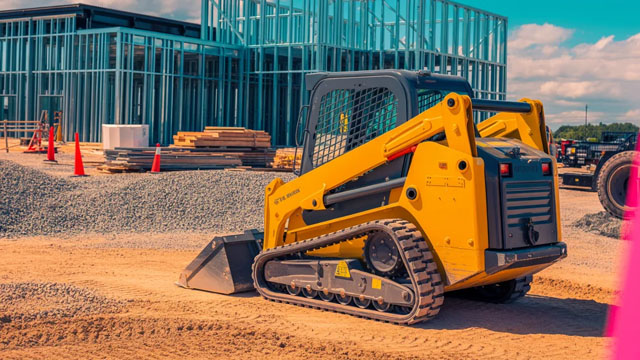
ALAMO GROUP INC designs and manufactures specialized equipment used in grounds maintenance and, more importantly for the investment case, in construction and infrastructure-related applications (notably trenching, compacting, and road/utility support equipment). The value chain is largely industrial: engineered product development → manufacturing and component sourcing → sales through equipment channels (including dealers) → installation/application support and a long tail of replacement parts and service.
The business model benefits from a “fleet-based” customer lifecycle. Customers buy capital equipment, then operate it for years, requiring consumables, wear-part replacements, and periodic servicing. This creates structural demand that is less dependent on each individual equipment purchase cycle and more tied to the size and age of installed equipment.
💰 Revenue Streams & Monetisation Model
Revenue is driven primarily by (1) new equipment sales and (2) aftermarket parts and services. Equipment sales are typically cyclical and linked to construction activity, municipal/utility spending, and contractor investment behavior. Aftermarket revenue tends to be comparatively steadier because it scales with the installed base and the wear-and-replacement cadence of heavy equipment.
Margin drivers are usually anchored in product mix (specialized, higher value-added offerings), manufacturing efficiency, and the aftermarket contribution. Parts and service generally support higher and more stable margins than new equipment, improving the consolidated earnings profile when aftermarket demand holds up through industry downturns.
🧠 Competitive Advantages & Market Positioning
Primary moat: Switching costs and installed-base lock-in (aftermarket dependency).
Once a customer standardizes on a specific equipment fleet, operational and maintenance routines—operator familiarity, spare parts stocking, and service practices—create practical switching costs. This does not imply exclusivity, but it tends to make replacement and repair behavior more path-dependent and favors vendors with dense dealer/service coverage and a robust parts ecosystem.
Secondary moat: Application-specific engineering + distributor/dealer reach. ALAMO’s products are designed for demanding field conditions where uptime matters. Competitors may match certain specifications, but consistently matching field-proven performance, durability, and support infrastructure is harder—especially at scale across a broad product catalog.
- Vermeer — trenching and material handling equipment focus. Vermeer competes directly in relevant infrastructure applications; the differentiation is frequently product line breadth and the effectiveness of dealer/service support for contractor fleets.
- Wirtgen Group — road and asphalt machinery and related infrastructure equipment. Wirtgen tends to emphasize road construction equipment; ALAMO competes more on the specialized workflow steps tied to utilities/earthmoving and maintenance execution where fleet uptime and parts availability matter.
- Toro (The Toro Company) — grounds maintenance equipment. Toro’s overlap is more concentrated in landscaping/municipal mowing and turf-related use-cases; ALAMO’s positioning skews toward heavier, contractor-grade infrastructure equipment where installed-base aftermarket needs can be deeper.
Industry focus contrast: While competitors often organize around a narrower equipment theme (road machinery vs. trenching vs. turf), ALAMO spans specialized equipment categories where customers deploy large fleets that require sustained aftermarket support and dependable performance in regulated, high-uptime environments.
🚀 Multi-Year Growth Drivers
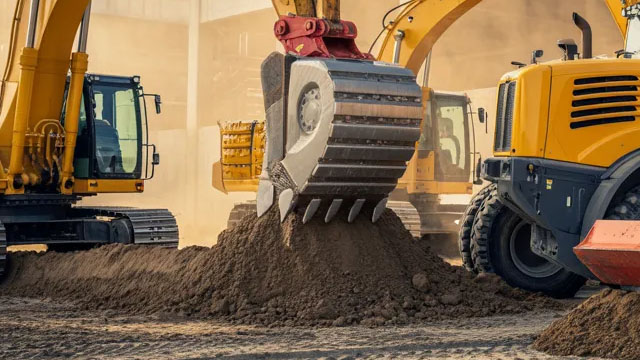
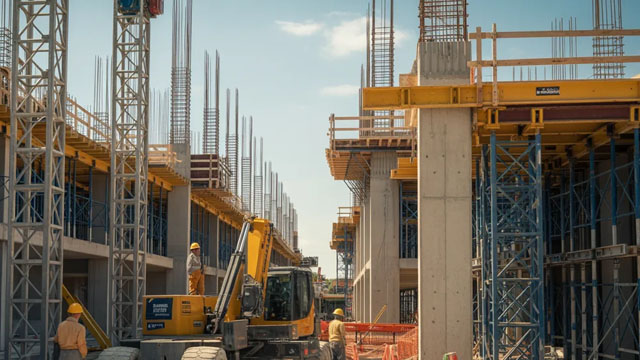
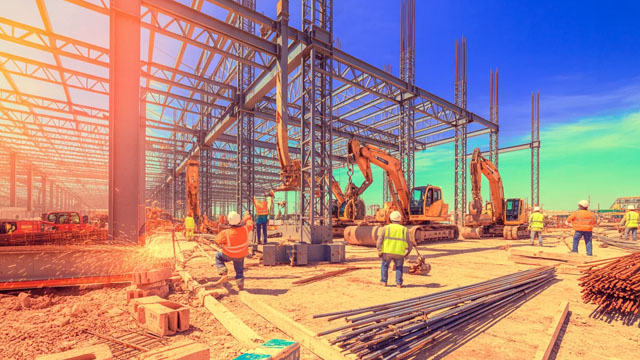
1) Infrastructure renewal cycle: Continued spending on roads, bridges, and utility networks supports long-duration demand for specialized construction and maintenance equipment. The demand profile benefits from both project activity and ongoing replacement of worn assets.
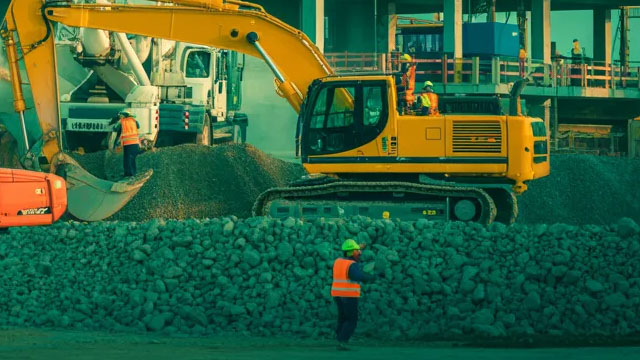
2) Utility buildout and maintenance: Grid modernization, underground work, and expansion of utility infrastructure sustain the need for trenching/compaction and related workflow equipment. Even when project volumes fluctuate, the installed-base replacement cycle tends to persist.
3) Fleet age and replacement cadence: Contractors and municipalities regularly replace equipment when utilization, maintenance costs, and downtime risks rise. Vendors with strong aftermarket capabilities can participate throughout the cycle because service and parts scale with existing fleets.
4) Aftermarket share capture: As customers seek uptime and cost control, they allocate more spend toward parts and service rather than fully replacing fleets. Vendors that offer breadth in wear parts and service support can maintain aftermarket resilience.
⚠ Risk Factors to Monitor
- Industrial cyclicality: Equipment demand is sensitive to construction, municipal budgets, and contractor capex cycles. Downturns can pressure order volumes and inventory dynamics.
- Input cost and supply chain pressure: Metals and components can affect manufacturing margins. Persistent cost inflation without pricing power can compress profitability.
- Competitive intensity in specialized equipment: Competitors can increase promotional activity, expand product breadth, or leverage dealer relationships—particularly when end-market demand weakens.
- Dealer/inventory risk: Channel inventory corrections can temporarily delay sell-through or shift timing of purchases.
- Regulatory and technology shifts: Emissions and operational requirements for certain equipment categories can require engineering investment; failure to execute on compliant designs can create margin and demand risk.
📊 Valuation & Market View
The market typically values ALAMO Group as an industrial equipment and aftermarket business. Multiples often hinge on (1) earnings durability through the cycle, (2) the share and margin quality of aftermarket revenue, and (3) management’s ability to sustain pricing discipline and manufacturing efficiency.
Key valuation variables commonly include EV/EBITDA and earnings-based multiples, with the aftermarket contribution and margin trajectory acting as primary “multiple support” factors. When investors expect stable parts/service demand and credible cost control, the downside multiple compression tends to be moderated; when aftermarket strength is doubted or equipment volumes weaken structurally, valuation tends to compress.
🔍 Investment Takeaway
ALAMO Group’s investment case centers on a practical, installed-base moat: specialized equipment creates fleet-dependent switching costs, supporting a meaningful aftermarket and service revenue stream. Over a full cycle, durability is reinforced when aftermarket resilience offsets equipment cyclicality. The long-term opportunity is tied to continued infrastructure renewal, ongoing utility work, and the replacement cadence of heavy equipment fleets—while the primary risks remain industrial downturn sensitivity and execution around costs, supply, and product compliance.
⚠ AI-generated — informational only. Validate using filings before investing.







 Growth Catalysts