
📘 ATRICURE INC (ATRC) — Investment Overview
🧩 Business Model Overview
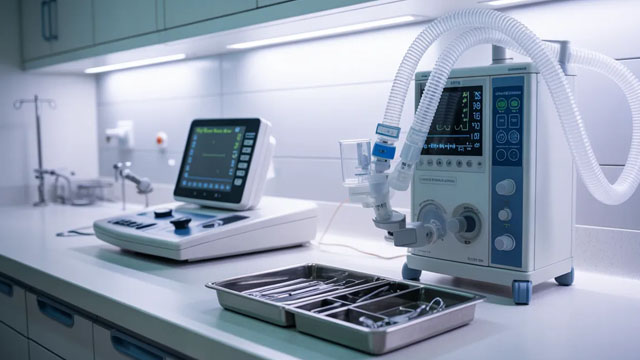
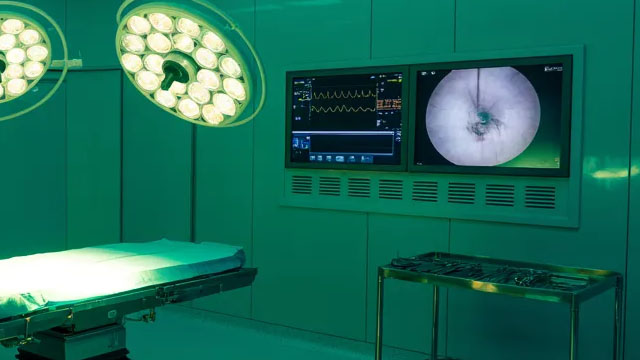
AtriCure commercializes surgical ablation solutions used during cardiac procedures aimed at treating atrial fibrillation, typically in the context of cardiothoracic surgery. The business model is structured around an installed base dynamic: hospitals buy an ablation platform (capital equipment), then purchase compatible disposable instruments/accessories tied to procedure activity. This creates a workflow ecosystem spanning clinician training, institutional protocols, and procurement preferences once a platform is in place.
Value is generated by aligning technology performance with operating-room execution (ease of use, operative time considerations, and consistent lesion creation), supported by clinical evidence and reimbursement familiarity within surgical pathways.
💰 Revenue Streams & Monetisation Model
Revenue typically comes from two economically distinct buckets:
- Capital equipment sales (ablation generators/platforms and related system components).
- Consumables and disposable instruments used to perform ablation during procedures (often the more repeatable component of demand).
The monetization model benefits from a platform-to-procedure linkage: as the installed base grows and surgical utilization expands, disposable/consumable purchases tend to scale with procedure volumes. Margin structure is commonly supported by higher-margin consumables relative to equipment (once manufacturing efficiencies and product mix stabilize), with ongoing profitability influenced by competitive pricing, product mix, and supply-chain execution.
🧠 Competitive Advantages & Market Positioning
Core moat: High switching costs + regulatory/clinical defensibility + integrated platform ecosystem.
- Switching costs / institutional lock-in: Hospitals develop purchasing preferences around compatible disposables, clinician proficiency, and internal surgical pathways. Once a platform is standardized, changing technology can require new training, updated protocols, and procurement requalification.
- Regulatory and evidence barriers: FDA-cleared devices and clinically supported indications raise the effective barrier to entry. Competitors cannot rapidly substitute without comparable clearance and supporting clinical data.
- Integrated system approach: A platform-plus-consumables model encourages repeat usage and supports process consistency in the OR, reinforcing the installed base dynamic.
Competitive benchmarking (examples):
- Medtronic: Broader surgical and electrophysiology portfolio, competing for clinician and hospital adoption across ablation workflows.
- Boston Scientific: Strong presence in cardiac technologies, with competitive offerings that may address parts of the ablation value chain.
- Abbott (and related cardiac technology competitors): Offers alternative ablation solutions and device platforms depending on the procedural setting.
Positioning contrast: AtriCure’s focus is concentrated on surgical ablation and the hospital procedure ecosystem where platform installations drive ongoing consumable utilization. Broader cardiology/electrophysiology players can compete across multiple pathways, but AtriCure’s narrower surgical focus supports deeper integration into that specific workflow and installed base economics.
🚀 Multi-Year Growth Drivers
Over a 5–10 year horizon, growth is primarily linked to secular and adoption-driven factors rather than one-off demand:
- Procedure penetration and standard-of-care evolution: As surgical teams further operationalize atrial fibrillation ablation within relevant cardiothoracic workflows, procedure counts tied to those pathways can expand.
- Installed base expansion (platform-led + consumables-led): Each incremental hospital adoption extends the runway for consumable demand through ongoing procedures.
- Demonstrated clinical outcomes and protocol durability: Sustained use depends on consistent operative performance and clinical acceptance, which tends to reinforce long-run utilization patterns.
- Healthcare system adoption of evidence-based procedural tools: Hospitals increasingly standardize devices and protocols around data-backed solutions, supporting durable demand for established platforms.
⚠ Risk Factors to Monitor
- Regulatory and clinical risk: Any device-related safety signals, clearance changes, or clinical evidence shifts could affect utilization and reimbursement dynamics.
- Competitive substitution: Larger cardiology technology companies may pressure pricing and push alternative platforms; performance parity or superior economics can weaken installed base durability.
- Adoption and procurement concentration: Demand can be influenced by hospital capital budgets, purchasing committees, and surgeon-specific preferences that may not scale uniformly.
- Manufacturing and supply-chain execution: Medical device businesses are exposed to component constraints, yield variability, and quality system costs.
- Technology obsolescence: New ablation modalities or procedural innovations could shift clinical preferences away from current platform architectures.
📊 Valuation & Market View
Markets generally value medical device companies through a blend of EV/Sales and EV/EBITDA, with attention to:
- Revenue durability from an installed base (consumables repeatability and penetration depth).
- Gross margin trajectory (product mix, competitive pricing, and manufacturing scale).
- Operating leverage as R&D and commercial spend scale with revenue.
- Clinical and reimbursement resilience that supports sustained adoption.
Key valuation rerating catalysts typically include stronger evidence of long-term installed base growth, improving consumables utilization, and demonstrable operating leverage under competitive conditions.
🔍 Investment Takeaway
AtriCure’s long-term investment case rests on a durable surgical ablation ecosystem characterized by installed base economics, high switching costs for hospitals, and regulatory/clinical barriers that slow credible competitive substitution. The core question for the multi-year outlook is whether the company can keep extending platform adoption and protecting consumable utilization against device competition—translating clinical acceptance into repeatable procedure-driven demand.
⚠ AI-generated — informational only. Validate using filings before investing.

















 Growth Catalysts