
📘 AMERICAN STATES WATER (AWR) — Investment Overview
🧩 Business Model Overview
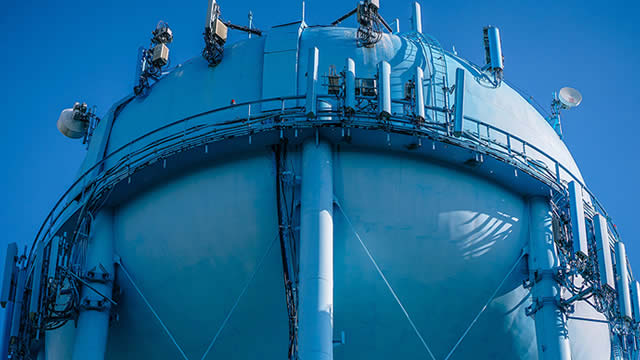
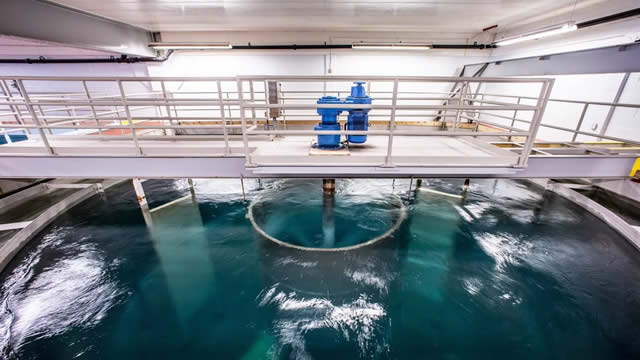
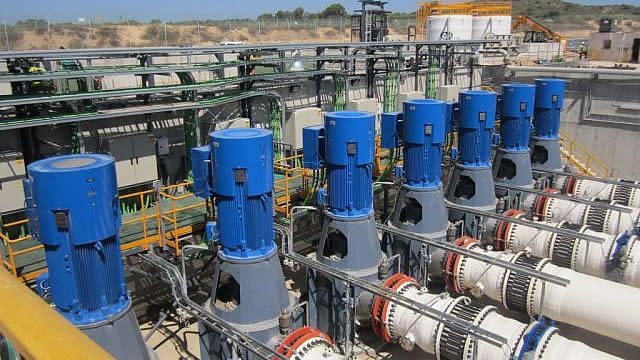
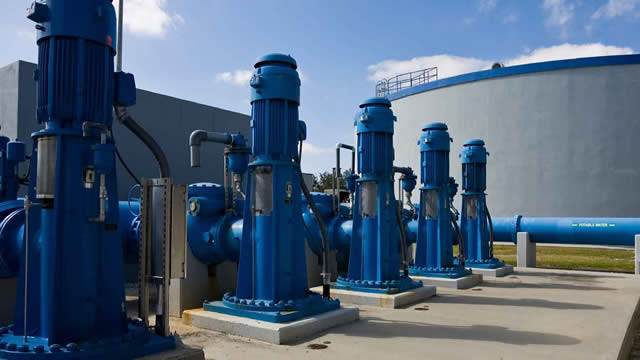
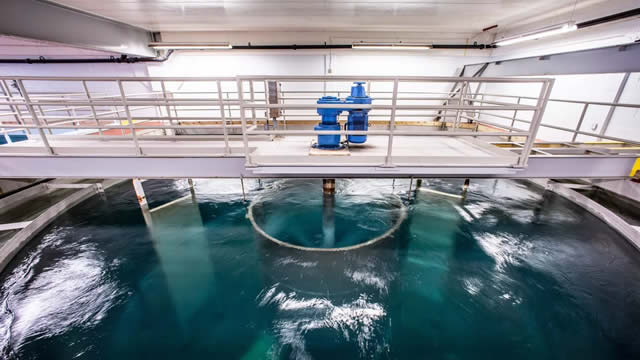
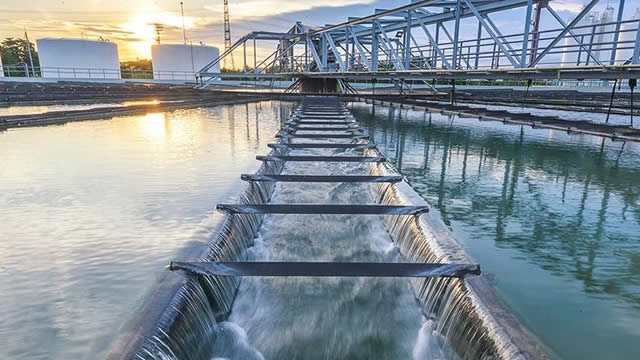
American States Water is a regulated water utility that supplies drinking water and, in certain service areas, wastewater services to residential and commercial customers. The business operates through a geographically constrained utility footprint where physical infrastructure—wells, treatment facilities, pipelines, storage, and distribution systems—creates a natural service boundary. Service is delivered via long-lived assets designed for reliability and compliance, with returns earned through state utility regulation.
The economic “engine” is the regulated rate base model: management invests in and maintains infrastructure, and regulators allow the company to earn a return on those capital assets while recovering operating costs and certain pass-through items. This structure links revenue durability to long-duration capital programs and regulatory approvals rather than to competitive pricing.
💰 Revenue Streams & Monetisation Model
Revenue is primarily driven by regulated water and wastewater service charges. Monetisation is largely recurring because customers require continuous utility service and infrastructure is difficult to substitute. Revenue typically comprises:
- Volumetric water sales (metered consumption), partially tempered by regulatory mechanisms designed to manage earnings variability from demand fluctuations.
- Service-related charges (e.g., base charges and related tariff components) that provide a steadier underlying earnings base.
- Wastewater revenues where applicable, often tied to treatment and collection service needs.
- Regulatory mechanisms for cost recovery for certain operating costs and capital expenditures, which helps translate approved investments into earnings visibility.
Margin drivers center on (1) the ability to maintain infrastructure reliability, (2) cost control in operations and maintenance, and (3) the effectiveness of regulatory rate-setting in allowing recovery of prudent capital spending. Earnings quality is supported by the regulatory framework’s tendency to spread investment and operating cost recovery over time.
🧠 Competitive Advantages & Market Positioning
AWR’s moat is rooted in infrastructure-based switching costs and geographic monopoly characteristics typical of regulated utilities. Once service territory infrastructure is in place, customer switching is economically and physically impractical, making demand comparatively inelastic. Barriers to entry are high because building parallel water and wastewater systems requires extensive permitting, long construction timelines, and large capital commitments—often constrained by water rights and environmental approvals.
Competitive benchmarking (2–3 key peers):
- American Water (AWK): a larger, more diversified regulated utility with a broader geographic footprint across multiple states.
- California Water Service (CWT): another regulated water utility with operations concentrated in certain West Coast and related markets.
- Essential Utilities (WTRG): more wastewater-leaning relative to pure water exposure, with a different regulatory and asset mix.
Positioning versus peers: AWR focuses on serving regulated territories with the operational discipline and regulatory navigation required to sustain long-lived, capital-intensive infrastructure. Compared with larger peers like AWK, AWR’s valuation and growth profile can be more influenced by the pace of utility rate proceedings, capex execution, and water-resource dynamics in its specific footprint. Compared with wastewater-heavy peers like WTRG, AWR’s core strength remains the regulated delivery of essential water service where franchise-like characteristics and infrastructure density support stable service economics.
- Moat 1: Switching Costs (hard to replicate infrastructure)
- Moat 2: Regulatory Moat (approved rate base / cost recovery framework)
- Moat 3: Cost Advantage from operating experience and system density (where service territories and asset utilization support efficiency)
🚀 Multi-Year Growth Drivers
Growth is driven less by product cycles and more by structural demand and infrastructure renewal. Key drivers include:
- Population and service-area demand: utility consumption rises with underlying household and commercial activity in service territories, with regulatory structures typically supporting cost recovery tied to approved investments.
- Infrastructure replacement and modernization: aging pipelines, treatment assets, and distribution networks require sustained capital programs. Regulatory frameworks for prudently incurred capex can translate these investments into an expanding or re-levered rate base.
- Water supply reliability and drought resilience: as water systems face variability, investment in supply augmentation, storage, and treatment strengthens service continuity and supports regulatory approval for capital spending.
- Wastewater expansion where applicable: incremental connections and system capacity additions can extend growth beyond water alone in areas served by wastewater systems.
- Targeted acquisitions / territory expansion (where regulatory and capital conditions permit): buying or consolidating compatible regulated systems can add customers and assets, subject to regulatory approval and integration economics.
Over a 5–10 year horizon, the total addressable market is defined by regulated water and wastewater service needs within constrained service territories and the durability of capital recovery mechanisms that allow utilities to earn on necessary investments.
⚠ Risk Factors to Monitor
- Regulatory outcomes and timing: earnings depend on rate cases, regulatory approval of operating expense and capex, and the level/timing of allowed returns. Adverse regulatory determinations can pressure earnings power.
- Capital intensity and execution risk: water infrastructure requires sustained spending; construction delays, cost overruns, and procurement inflation can reduce returns if not fully recoverable.
- Water supply and drought volatility: shifts in water availability, restrictions, and reliance on specific water sources can create operational and compliance challenges.
- Environmental compliance and permitting: evolving standards for treatment, discharge, and water quality can require additional capex and operating changes.
- Operational and cyber-physical risks: the utility’s assets are mission critical; equipment failures, contamination events, or cyber incidents can trigger costly remediation and reputational/regulatory impacts.
📊 Valuation & Market View
The market generally values regulated utilities using frameworks that emphasize stable cash flows and infrastructure-based earnings. Common valuation lenses include EV/EBITDA, P/E, price-to-cash-flow, and dividend/earnings sustainability—with investor attention often focused on the relationship between rate base growth, allowed return, and operating cost control.
Valuation sensitivity typically increases with uncertainty around:
- Allowed returns and regulatory treatment of investments
- Leverage and interest costs given capital programs
- Demand and water-related volume dynamics
- Capital program efficiency and prudency reviews
🔍 Investment Takeaway
AWR offers a regulated utility investment profile anchored by infrastructure-driven switching costs and regulatory cost-of-service mechanisms that can convert sustained capital spending into relatively durable earnings power. The long-term thesis rests on continued access to approved rate base growth, disciplined execution of water-system modernization, and the ability to navigate water-supply and environmental requirements within its regulated footprint. Key diligence focuses on regulatory outcomes, capex execution, and resilience of water resources and compliance programs.
⚠ AI-generated — informational only. Validate using filings before investing.










 Growth Catalysts