📘 CHEESECAKE FACTORY INC (CAKE) — Investment Overview
🧩 Business Model Overview
The Cheesecake Factory operates a portfolio of company-owned restaurants that generate demand through a consistent in-restaurant experience anchored by a broad menu and a signature dessert offering. The value chain is primarily “local market execution”: selecting and operating high-footfall locations, managing labor and food production to deliver predictable quality, and translating restaurant throughput into profitable unit economics. Revenue is realized at the point of sale, while costs are driven by labor intensity, food and beverage inputs, occupancy/lease terms, and restaurant-level marketing.
Customer stickiness is supported by repeatable menu familiarity and the friction involved in switching to alternative venues when diners value a particular combination of appetizers, mains, beverages, and dessert variety.
💰 Revenue Streams & Monetisation Model
Revenue is predominantly transactional (dine-in and takeout/third-party delivery where offered), with monetisation driven by average check size, visit frequency, and dessert attach rates. While there is no material “recurring revenue” model, the business exhibits quasi-recurring behavior through repeat dining: customers return because the restaurant delivers a predictable assortment and execution.
Key margin drivers include:
- Labor leverage: throughput management, scheduling efficiency, and service model execution.
- Food cost control: standardized recipes, portioning, and supply sourcing.
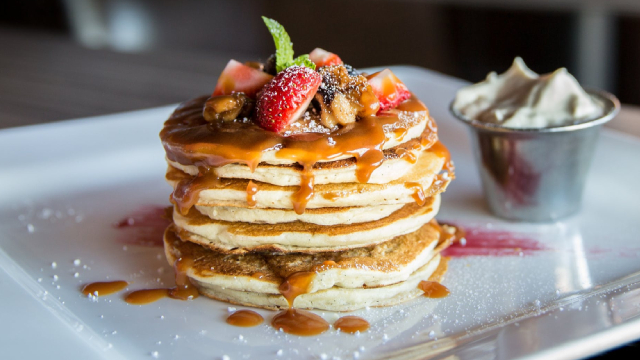
- Menu mix: higher-margin categories (notably desserts and beverages) can support blended profitability.
- Occupancy/lease terms: rent as a percentage of sales and the age/efficiency of the restaurant footprint.
🧠 Competitive Advantages & Market Positioning
CAKE competes in the casual dining space, where differentiation typically comes from operational consistency and menu breadth rather than switching-cost constructs like software. The strongest moat is best characterized as a blend of integrated operating capabilities (standardization at scale) and customer “menu lock-in” (behavioral switching costs driven by variety and dessert expectations).
Moat mechanisms:
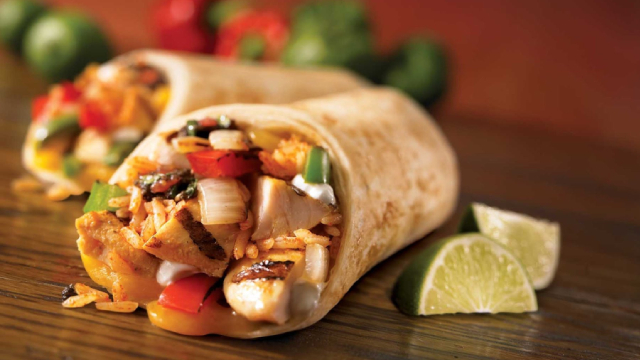
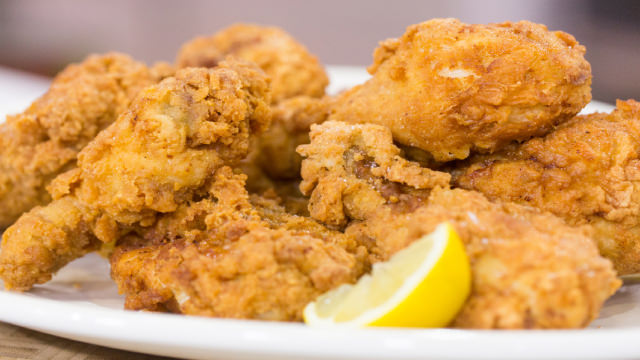
- Menu breadth as a behavioral switching cost: diners can satisfy multiple preferences in one visit (group decision convenience). Competitors with narrower formats may lose frequency when households seek variety.
- Operational standardization: disciplined recipe control, training, and back-of-house process management can improve food quality consistency and reduce waste.
- Scale purchasing leverage: larger restaurant networks can improve negotiating power and distribution economics for common inputs and packaging.
Competitive benchmarking (primary peers):
- Darden Restaurants (Olive Garden): larger value-oriented mainstream casual dining focus, typically emphasizing service rhythms and repeatable Italian/meals mix rather than extreme menu breadth.
- Brinker International (Chili’s): family casual format with a more limited menu breadth and different price/value positioning.
- Bloomin’ Brands (Outback Steakhouse): steak-centric casual concept with its own menu structure and promotional cadence.
Compared with these peers, CAKE’s positioning relies more heavily on breadth and dessert-centric identity as drivers of visit planning and group dining convenience, and on operational execution to sustain quality across a large menu.
🚀 Multi-Year Growth Drivers
Growth is primarily expected to come from expanding the restaurant base and improving unit productivity, supported by structural consumer demand for “occasion-based” dining and the ability to serve off-premise channels.
- Unit expansion with disciplined site selection: additional locations in markets that support sufficient traffic and acceptable rent levels.
- Throughput and mix optimization: labor scheduling, kitchen flow, and menu engineering to lift sales per labor hour.
- Channel development: continued scaling of takeout and delivery systems can broaden demand beyond dine-in traffic.
- Dessert-led repeat behavior: maintaining quality and availability of signature dessert offerings supports return visits.
- Resilience to shifting preferences: a wide menu can adapt to changing consumer tastes better than narrower concepts, supporting demand continuity.
Over a 5–10 year horizon, the total addressable opportunity remains tied to the US casual dining footprint and incremental penetration in underserved trade areas, moderated by competitive intensity and lease cost dynamics.
⚠ Risk Factors to Monitor
- Labor cost pressure: restaurant profitability is sensitive to wage rates, staffing availability, and benefits costs.
- Food and packaging inflation: commodity and ingredient volatility can compress margins without offsetting mix improvements.
- Real estate and build-out capex: new restaurant economics depend on lease terms, build-out costs, and the speed of ramp to mature sales levels.
- Consumer demand cyclicality: casual dining spending can weaken during periods of slower discretionary consumption.
- Competitive pricing and promotional intensity: peers may drive value promotions that pressure check sizes and/or increase marketing requirements.
- Operational complexity: managing a large menu increases execution risk (waste, training burden, and inventory management).
- Regulatory and health/safety compliance: food handling standards, local regulations, and labor compliance affect operating costs and reputational risk.
📊 Valuation & Market View
The market typically values restaurant operators using a framework anchored to EV/EBITDA and enterprise value-to-unit cash flow, with adjustments for unit growth prospects and margin durability. Key variables that move valuation assumptions include:
- Unit growth quality: returns on new restaurant openings and ramp profiles.
- Same-restaurant profitability: labor productivity, food cost control, and menu mix.
- Operating leverage: the degree to which sales growth translates into incremental margin during cost inflation.
- Real estate risk: lease cost structure and impairment risk from underperforming locations.
Where confidence in sustainable cash generation rises, the market can support higher multiples; where margin and growth visibility deteriorate, multiples compress.
🔍 Investment Takeaway
CHEESECAKE FACTORY INC’s long-term thesis rests on its ability to convert a wide menu and dessert-centric identity into repeat visits through consistent operational execution. The primary structural advantages are behavioral switching costs from menu breadth and scale-enabled operating standardization, which together can support unit economics across cycles—subject to labor, food input volatility, and real estate economics.
⚠ AI-generated — informational only. Validate using filings before investing.











 Growth Catalysts