📘 CASELLA WASTE SYSTEMS INC CLASS A (CWST) — Investment Overview
🧩 Business Model Overview
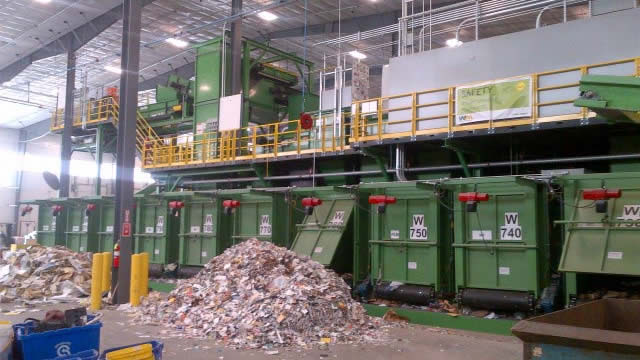
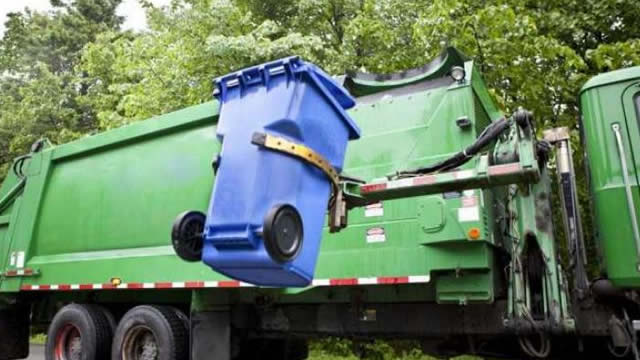
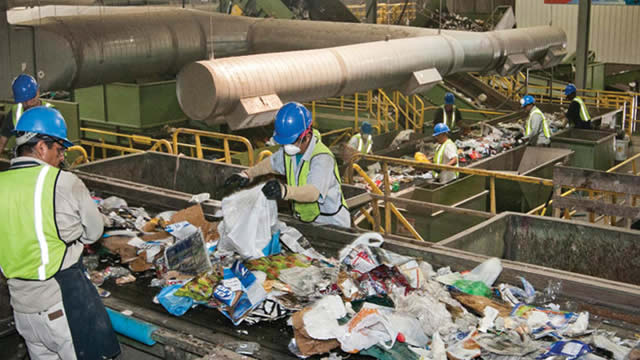
Casella Waste Systems operates in the vertically integrated solid-waste value chain: collection and transportation, transfer and processing, recycling/diversion activities, and disposal. Customers typically include municipalities and commercial accounts with recurring service needs. Waste is collected via route-based logistics, consolidated through transfer facilities, and ultimately processed or disposed through owned/controlled capacity (such as landfills or other permitted disposal endpoints) and/or contracted alternatives. This operating model converts local infrastructure ownership and route density into service reliability and cost efficiency, while creating stickiness through established schedules, service standards, and contract structures.
💰 Revenue Streams & Monetisation Model
Revenue is predominantly driven by volume-linked waste tonnage and service fees, with an important portion supported by recurring collection and contract pricing (municipal and commercial arrangements). Disposal-related revenue is typically monetised through tipping fees and related handling charges, while recycling/diversion revenue includes a combination of processing fees (often more stable than commodity pricing) and commodity-linked components for certain recovered materials.
Margin drivers generally include: (1) route density and freight efficiency (lower cost per ton), (2) utilisation of transfer and processing assets, (3) capacity and pricing discipline at disposal endpoints, and (4) commodity spread and contamination management in recycling streams. Where contracts include price adjustments or periodic renewals, monetisation can better track inflationary pressures in labor, fuel, and processing costs.
🧠 Competitive Advantages & Market Positioning
Casella’s competitive positioning is anchored in infrastructure-led and locally entrenched economics rather than a technology-first model. The primary moat is a combination of regulatory and infrastructure barriers plus switching costs.
- Switching costs (customer stickiness): Collection services depend on established routes, equipment, safety procedures, and service reliability. Municipal and commercial customers face meaningful disruption costs when changing vendors (billing continuity, routing changes, service performance, and contract re-tendering timelines).
- Regulatory moat (permitted capacity): Disposal and processing depend on permitting and environmental compliance requirements. Permitted sites and operating approvals create durable barriers to entry and can limit incremental competition.
- Cost advantage from local logistics: Proximity between collection points and transfer/processing/disposal sites reduces haul distances, lowering variable cost per ton.
Competitive benchmarking: The most direct large-scale competitors include Waste Management and Republic Services, alongside GFL Environmental (where their regional footprints overlap). These rivals often compete on scale, asset breadth, and route networks. Casella’s emphasis on a more focused operating footprint can support strong local economics (utilisation, density, and service responsiveness) relative to national operators that must manage wider geographic dispersion.
🚀 Multi-Year Growth Drivers
Over a 5–10 year horizon, the fundamental drivers are largely structural and tied to waste generation and diversion policy:
- Municipal and commercial demand resilience: Solid waste collection typically behaves as a defensive utility-like service with volume supported by population, economic activity, and long-lived service needs.
- Price/mix and service indexation: Cost inflation in labor, energy, and transportation tends to support periodic tariff adjustments, contract escalators, and pricing discipline.
- Diversion and recycling economics: Policy-driven diversion mandates and customer requirements can expand processing volumes for recycling and organics-related streams, while increasing the value of operational excellence (contamination reduction, yield optimization, and contract terms for recovered materials).
- Capacity additions and asset optimisation: Controlled investment in transfer, processing, and disposal capacity can support utilisation and cost leadership, particularly when permitting timelines make capacity expansion challenging for new entrants.
Taken together, growth is less about disruptive market creation and more about sustaining market share in a local arena, improving cost per ton, and capturing value from permitted capacity and contracted service structures.
⚠ Risk Factors to Monitor
- Regulatory and environmental liability: Landfill operations and disposal activities carry long-term compliance obligations and potential remediation risk.
- Permitting and capacity constraints: Delays or restrictions in siting, expansions, or operating approvals can affect service levels and cost structure.
- Recycling commodity and contamination risk: Recycling margins can be sensitive to commodity pricing and changes in end-market demand, while contamination can impair yields and increase disposal back-end costs.
- Fuel, labor, and equipment cost volatility: Although some contracts may provide pass-through mechanisms, cost shocks can pressure margins between repricing events.
- Capital intensity and project execution: Expanding or maintaining disposal/processing assets requires sustained capital and strong execution to protect returns.
- Competitive responses: Large national players may leverage scale or bidding cycles to take share in overlapping territories, pressuring pricing in certain service lines.
📊 Valuation & Market View
The waste management sector is commonly valued using EV/EBITDA and earnings-based multiples, with a strong focus on cash generation quality. Investors typically underwrite:
- Same/underlying volume trends (or tonnage stability) and pricing power
- Operating margin durability through utilisation and routing efficiency
- Capex intensity and the ability to fund growth while maintaining asset lifecycle performance
- Recycling exposure (net of commodity volatility) and the stability of processing margins
- Environmental and regulatory risk visibility and provisioning discipline
Multiple expansion typically requires evidence of stable pricing discipline, improved cost structure, and credible capacity/asset planning that supports conversion of EBITDA into resilient free cash flow.
🔍 Investment Takeaway
Casella’s long-term investment case rests on local infrastructure economics and durable barriers: customer switching costs from service entrenchment, regulatory constraints that limit new disposal/processing supply, and logistic cost advantages from operating footprint density. With waste volumes tied to durable end demand and with diversification/diversion trends supporting incremental processing needs, the company’s value creation is most plausibly driven by utilisation, pricing discipline, and operational execution rather than disruptive technology.
⚠ AI-generated — informational only. Validate using filings before investing.
















 Growth Catalysts