
📘 LA-Z-BOY INC (LZB) — Investment Overview
🧩 Business Model Overview
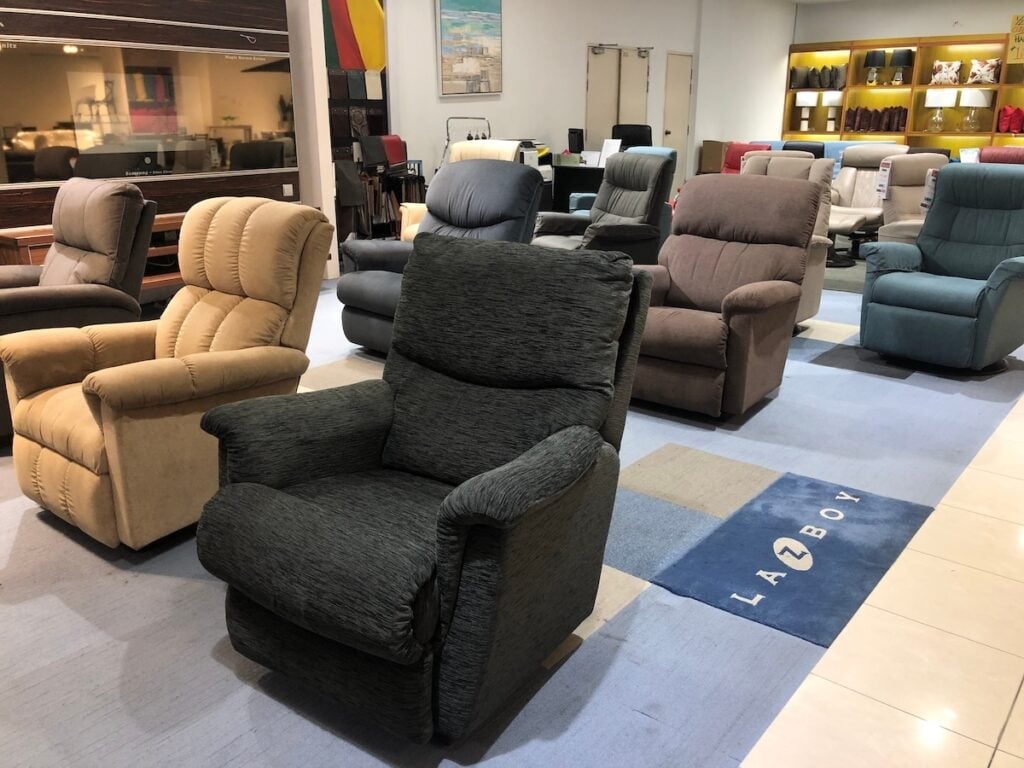
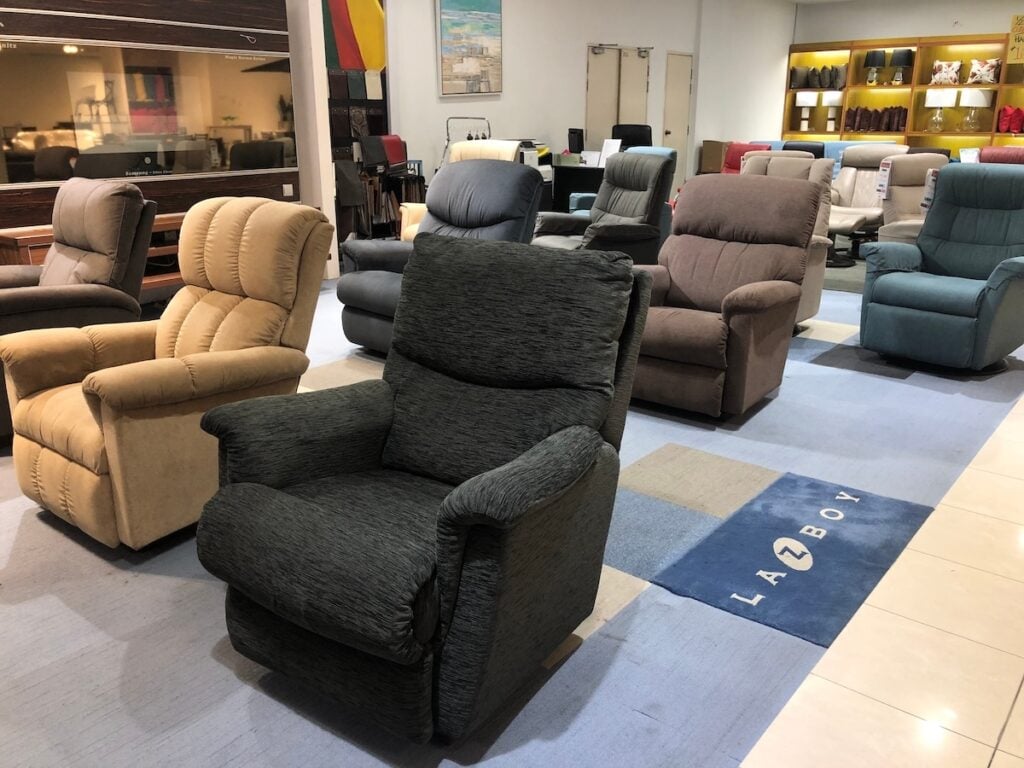
LA-Z-BOY designs and manufactures upholstered home furnishings—centered on seating (including recliners and motion furniture)—and distributes them largely through a dealer network. The value chain is anchored in (1) product engineering and comfort-focused design, (2) manufacturing and sourcing of key components (frames, upholstery, cushioning), and (3) dealer-based selling with showroom and delivery support. Customers typically move through a configuration and selection process (style, upholstery, and features) that supports repeat purchases and service needs, while dealers provide local inventory/build-to-order execution and consumer education.
💰 Revenue Streams & Monetisation Model
Revenue is primarily transactional—furniture is sold to dealers and, in some channels, directly to consumers—while profitability is supported by product mix and operational discipline rather than recurring subscriptions. Margin drivers include:
- Mix of higher-margin categories and options (motion features, premium upholstery inputs, and configurable styles).
- Productivity in manufacturing through scale, standardization of components, and efficient production scheduling.
- Pricing power and promotional discipline aligned with dealer demand and industry inventory levels.
- Cost management across materials (wood, foam, textiles/leather substitutes), freight, and labor.
The business monetises by converting engineering-led differentiation into sellable SKUs through a distribution model that lowers consumer search costs and concentrates demand capture at the point of purchase.
🧠 Competitive Advantages & Market Positioning
LA-Z-BOY’s moat is most evident in distribution leverage and customer stickiness created by configuration + service expectations, rather than pure brand advertising economics. Key elements:
- Switching costs (soft, but real): Furniture purchases are high-ticket and preference-driven (size, comfort fit, and layout compatibility). Once a customer is comfortable with a dealer, product line, and comfort profile, repeat purchases and accessory additions become more likely, reducing effective switching versus mass-market quick-turn alternatives.
- Dealer network infrastructure: Local showrooms, delivery coordination, and warranty handling embed LA-Z-BOY into the consumer’s purchasing workflow. Competitors without a similar dealer footprint face higher consumer acquisition costs and lower conversion efficiency.
- Operational and sourcing scale: Broad platform manufacturing supports economies in components, procurement leverage, and process learning across models.
Competitive benchmarking:
- Herman Miller and other premium office/furnishing-focused peers lean more on design-led office and contract ecosystems; their end-markets and category emphasis differ from LA-Z-BOY’s comfort-driven residential seating focus.
- Ethan Allen competes in made-to-order home furnishings with a design-services footprint; however, LA-Z-BOY’s core is more concentrated in upholstered seating and motion product depth delivered through a different channel mix.
- Ashley Furniture represents a mass-market scale competitor emphasizing speed and breadth; LA-Z-BOY competes by targeting comfort specifications and dealer-driven merchandising rather than pure price-led volume.
Overall, LA-Z-BOY’s industry focus is aligned with residential seating comfort and configuration, supported by dealer-enabled distribution leverage and a product assortment that fits household-specific needs.
🚀 Multi-Year Growth Drivers
Growth can be sustained through a combination of category resilience and demographic/home environment tailwinds across a 5–10 year horizon:
- Housing turnover and remodeling: Furniture replacement cycles rise with household moves, refresh projects, and durability-driven upgrades.
- Demographic comfort needs: Aging households and higher incidence of mobility-focused product preferences support demand for recliners and supportive seating designs.
- Mix expansion: Ongoing innovation in motion features, comfort technologies, and premium upholstery inputs can lift average selling prices without requiring a purely volume-based strategy.
- Channel execution and dealer productivity: Effective merchandising and inventory alignment at the dealer level can improve conversion rates, especially during periods when consumer demand disperses away from purely online alternatives.
- Manufacturing flexibility: A platform approach to models and components enables responsiveness to shifting consumer preferences, supporting share retention through industry cycles.
⚠ Risk Factors to Monitor
- Consumer discretionary cyclicality: Furniture demand is sensitive to employment confidence, credit conditions, and housing activity; downside execution in inventory management can pressure margins.
- Input cost volatility: Wood, foam, and upholstery materials (including leather or leather substitutes), plus freight and labor costs, can compress gross margin if not offset by pricing and mix.
- Dealer concentration and channel health: Dealer inventory behavior and marketing cadence affect order flow; dealer distress or channel disruption can impair revenue velocity.
- Warranty and quality exposure: Motion mechanisms and upholstery durability create ongoing quality and warranty considerations that can influence cost structure.
- Competitive pricing pressure: Mass-market players can intensify promotions, while premium competitors can compete on differentiation; LA-Z-BOY must defend mix and manufacturing efficiency.
📊 Valuation & Market View
The market typically values furniture and home furnishings manufacturers using cash-generation and margin durability frameworks (commonly EV/EBITDA or valuation multiples tied to earnings power). Key valuation drivers include:
- Gross margin stability through disciplined pricing, product mix, and cost control.
- Operating leverage from manufacturing efficiency and operating expense discipline.
- Inventory and working-capital quality, which governs free cash flow resilience through demand cycles.
- Share retention indicators such as mix improvements and dealer reorder trends.
In this sector, valuation generally expands when the market assigns higher confidence to sustained operating margins and resilient cash conversion across consumer cycles.
🔍 Investment Takeaway
LA-Z-BOY’s long-term investment case rests on distribution leverage through its dealer network, product configuration-driven stickiness, and operational scale that supports cost discipline and mix-driven margin outcomes. While the category remains cyclical, the structural ability to translate comfort-focused engineering into dealer-enabled consumer purchase behavior supports durability—making the business best understood as a cycle-aware operator with defensible channel economics and a differentiated residential seating focus.
⚠ AI-generated — informational only. Validate using filings before investing.















 Growth Catalysts