📘 ORMAT TECH INC (ORA) — Investment Overview
🧩 Business Model Overview
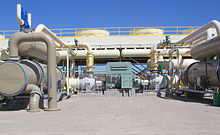
Ormat Tech Inc is a geothermal power producer with vertically integrated capabilities spanning resource development, power generation, and technology/equipment services. The value chain starts with identifying and developing geothermal fields (resource confirmation, permitting, and drilling). Steam (or heat) derived from the reservoir is then converted into electricity through power plants that Ormat builds and operates. Revenues are typically secured through long-duration arrangements (e.g., power purchase agreements) and/or steam sales, which convert subsurface resource quality into contracted cash flows. A technology segment supports additional monetization through the sale and deployment of geothermal power generation equipment, increasing the commercial reuse of Ormat’s engineering know-how.
💰 Revenue Streams & Monetisation Model
- Electricity generation (recurring, contracted): Cash flows from operating geothermal plants sold to utilities or counterparties under long-term PPAs. This stream is the core driver of earnings stability, with margin sensitivity primarily linked to plant availability, resource temperature/production profiles, and the cost of sustaining operations and reinjection.
- Steam sales (recurring, resource-linked): In certain structures, Ormat monetizes steam or heat to a customer that generates power (or vice versa). This typically shifts some generation risk while preserving exposure to reservoir performance.
- Technology and equipment (project-based): Sales and deployments of geothermal power generation technology can contribute incremental margin, particularly when the installed base and engineering capabilities enable scale efficiencies in components and execution.
Overall margins are driven by (1) contracted pricing terms and escalation clauses, (2) capacity factor/availability, and (3) sustained capital discipline around drilling, well workovers, and power plant maintenance.
🧠 Competitive Advantages & Market Positioning
Ormat’s moat is primarily rooted in high switching costs in the form of site-specific sunk capital (subsurface assets and permitting), plus an execution- and learning-intensive development process that compounds over successive projects. Unlike solar/wind, geothermal projects depend on confirmed reservoir productivity and durable steam supply—making replication difficult without proven field knowledge and disciplined drilling/operations.
- Hard-to-replicate resource base (barriers to entry): Successful geothermal development requires specialist geology, long lead times, drilling expertise, and operational know-how to manage reinjection and reservoir performance. These factors limit the pace at which competitors can scale.
- Contracted offtake stabilizes demand risk (utility-grade assets): Long-duration agreements reduce merchant exposure and support a more predictable cash flow profile compared with less contracted renewable generation.
- Operational learning and wellfield sustainability: Continuous improvement in well maintenance/workovers and plant availability creates an operational cost advantage over time.
Competitive benchmarking (primary peers):
- Enel Green Power: A large-scale renewable developer with global footprints. Enel competes for development opportunities and operational excellence, but Ormat’s advantage is the depth of geothermal-specific development and operating expertise across both generation and technology.
- Calpine Corporation: Known for power generation assets with geothermal exposure in certain regions. Calpine competes through project development and acquisition activity; Ormat’s positioning is more geothermal-focused, with a repeatable development-and-operations approach and technology enablement.
- Other independent geothermal IPPs and national utilities (varies by country/region): These participants can win local contracts where they have stronger relationships or land/resource access. Ormat’s differentiated advantage tends to show up where geothermal execution, wellfield management, and technology deployment matter most.
In sum, Ormat’s positioning is best understood as geothermal “field + execution” expertise rather than a generalized renewable generator. This creates durable barriers that are difficult for competitors to overcome quickly.
🚀 Multi-Year Growth Drivers
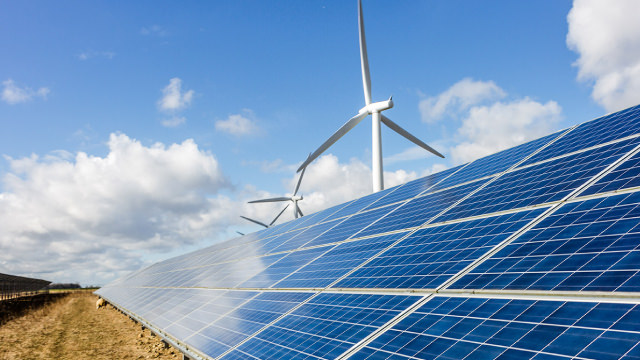
- Baseload renewable demand and policy support: Geothermal is “firm” renewable generation, supporting grid reliability needs and decarbonization targets. Long-lived assets benefit from the shift toward cleaner baseload and capacity value.
- Project pipeline expansion through development and reinjection optimization: Growth comes from adding new plants, expanding existing fields, and improving reservoir sustainability through well work and reinjection strategies that extend productive life.
- Geothermal market TAM expansion: The opportunity set spans multiple geographies where geothermal resources are underdeveloped. As permitting frameworks mature and financeability improves, total addressable capacity widens.
- Technology deployment as an additional scaling lever: Engineering expertise can be leveraged across projects, supporting incremental growth beyond power plant ownership.
⚠ Risk Factors to Monitor
- Resource and drilling risk: Subsurface uncertainty can lead to lower-than-expected steam production, higher drilling costs, or extended timelines to stabilize output.
- Capital intensity and execution risk: Geothermal projects require significant upfront capital (drilling, field development, plant construction). Cost overruns or slower commissioning can pressure returns.
- Regulatory and permitting exposure: Changes in environmental, water/reinjection, land-use, or power market rules can affect project timing and economics.
- Counterparty and contract risk: While PPAs reduce merchant exposure, credit quality of counterparties and contract structure (indexation, curtailment terms) remain important.
- Operational availability risk: Plant outages and well performance declines can impact generation volumes and cash margins.
📊 Valuation & Market View
The market typically values geothermal IPPs through a cash-flow and asset-based DCF lens (EV/EBITDA and long-duration earnings power are commonly used), with adjustments for contracted versus merchant-like exposure and for the expected trajectory of capital needs. Key valuation drivers include:
- Contract structure quality: Length, pricing, and escalation terms; curtailment risk; and counterparty creditworthiness.
- Operating performance: Capacity factor/availability, wellfield productivity, and cost per unit of electricity.
- Growth efficiency: The relationship between incremental capex and realized megawatt additions or expanded generation.
- Technology segment contribution: The durability of equipment-related economics and execution scalability.
Because geothermal assets are long-lived and require ongoing maintenance capital, the market often rewards consistent operational delivery and disciplined investment underwriting.
🔍 Investment Takeaway
Ormat’s long-term investment case rests on a geothermal-specific moat: resource and site-specific sunk capital, specialized development and wellfield sustainability expertise, and contracted offtake structures that support cash flow visibility. Multi-year growth is driven by adding and expanding geothermal capacity while leveraging learning across field development, operations, and technology deployment. The principal threat is execution and reservoir uncertainty—risks that can be partially mitigated through underwriting discipline and operational track record. For investors seeking exposure to firm, clean power with durable barriers to entry, ORA offers an asset-and-execution model with meaningful structural defensibility.
⚠ AI-generated — informational only. Validate using filings before investing.















 Growth Catalysts