
📘 UNITED AIRLINES HOLDINGS INC (UAL) — Investment Overview
🧩 Business Model Overview
United operates a hub-and-spoke network centered on major gateways, using a large aircraft fleet to connect origin passengers to destination demand through scheduled flights. Revenue is monetized through ticket sales and ancillary services, while the company captures additional value via frequent-flyer relationships and partnerships that route connecting traffic through United’s network. The economic engine is capacity planning and network optimization: route-level pricing and load factor dynamics determine operating revenue, while aircraft utilization, maintenance efficiency, and labor productivity largely drive unit costs.
💰 Revenue Streams & Monetisation Model
- Passenger revenue (main driver): One-way and round-trip ticket sales across economy, premium economy equivalents, and business-class style cabins; yields depend on demand elasticity and route competition.
- Ancillary revenue: Fees for checked bags, seat selection, priority services, premium cabin upgrades, and onboard sales; typically supported by customer segmentation and loyalty engagement.
- Frequent-flyer monetization: Miles/liability economics and partner revenue streams tied to co-brand cards and airline partnerships; supports margin resilience when core ticketing faces volatility.
- Cargo and premium airfreight: Contracts and spot exposure that can add diversification, though it remains cyclical with broader industrial demand.
Margins are primarily driven by load factor and yield (pricing), offset by fuel, labor, and system-level cost efficiency. Ancillary attachments and loyalty economics provide incremental profitability, but operating leverage in aviation remains highly sensitive to capacity discipline and input cost management.
🧠 Competitive Advantages & Market Positioning
Primary moat: Network scale plus constrained infrastructure (hub advantage) and customer lock-in through loyalty.
- Hub network economics (difficult to replicate): United’s gateway-focused network benefits from connectivity value—more connection options and flight frequencies increase customer preference and corporate travel routing. Competitors can challenge specific routes, but building a similarly dense network at the same hubs is capital- and time-intensive due to airport access, gate availability, and slot constraints.
- Customer stickiness via loyalty switching costs: Mileage balances, status tiers, and partner redemption create behavioral switching costs for frequent travelers. While loyalty programs are not “owned” in the same way as software, the practical friction of earning and redeeming benefits supports retention and repeat booking behavior.
- Operating cost and scale advantages: Scale supports procurement leverage, maintenance planning, crew scheduling optimization, and distribution efficiency. Competitors face different fleet mixes and hub structures that can produce cost differentials on specific routes.
Competitive benchmarking (industry focus vs. rivals):
- American Airlines (AAL): Similar U.S. network competition at major hubs; both firms rely on large-scale connectivity rather than a purely point-to-point model.
- Delta Air Lines (DAL): Competes strongly on domestic and international premium connectivity; Delta’s geographic emphasis and hub concentration shape competitive intensity on long-haul and premium-heavy itineraries.
- Southwest Airlines (LUV): More point-to-point leaning with different fare and operational models; Southwest’s approach can pressure unit economics on overlapping short-haul markets, but it typically offers less seamless global connectivity compared with full network carriers.
United’s positioning aligns more closely with full-service network carriers than with low-fare point-to-point competitors. The competitive differentiator is the ability to sustain a high-quality connection network while managing unit costs through scale and operational execution.
🚀 Multi-Year Growth Drivers
- Long-run growth in air travel demand: Structural expansion tied to global trade, business travel modernization, and leisure travel participation supports industry capacity growth over a five- to ten-year horizon.
- Premiumization and higher-mix revenue: As passengers shift toward better schedules, onboard products, and cabin differentiation, yields can improve without proportional increases in system-wide capacity.
- Network optimization and route densification: Better aircraft assignment, schedule frequency management, and hub connectivity can increase revenue per seat across the network.
- Loyalty and partner ecosystem monetization: Co-brand card partnerships and inter-airline agreements provide a pathway to monetize customer relationships and capture value from connecting itineraries.
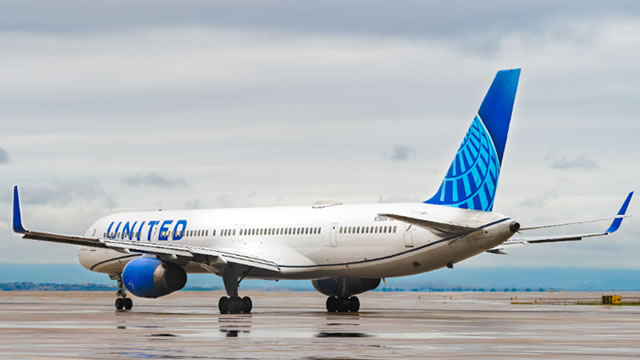
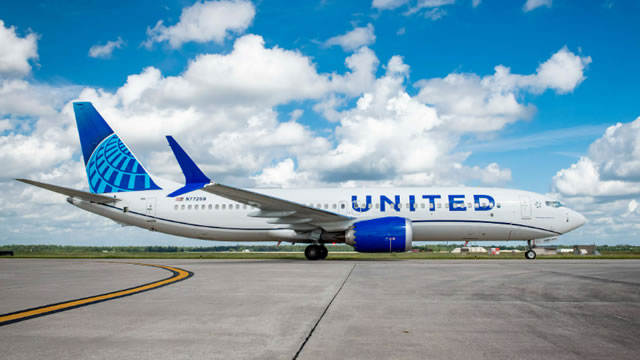
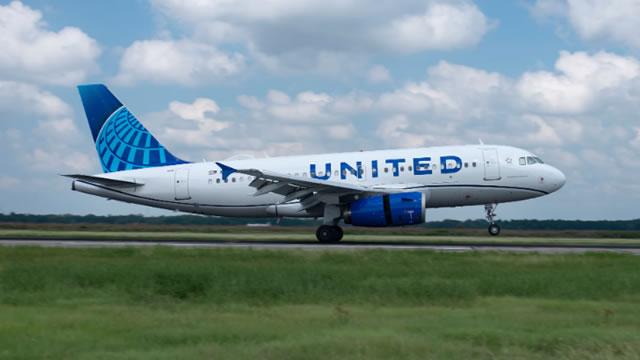
- Fleet modernization and efficiency: Newer aircraft and operational improvements can reduce maintenance complexity and support more efficient utilization, aiding cost per available seat mile over a full cycle.
⚠ Risk Factors to Monitor
- Fuel and macro volatility: Aviation remains exposed to fuel price swings, interest rate changes, and economic cycles that impact corporate travel and discretionary demand.
- Labor cost and contract dynamics: Labor is a meaningful fixed-cost component; wage inflation and contract renegotiations can pressure margins.
- High fixed-cost capacity discipline: Overcapacity can compress fares and yields; the industry’s credit cycle can amplify downside during demand shocks.
- Regulatory and operational constraints: Airport slot allocation, air traffic control constraints, and safety regulation can limit growth and raise compliance costs.
- Capital intensity and fleet/lease execution risk: Aircraft delivery timing, maintenance outcomes, and fleet planning accuracy affect both cash flow and cost structure.
- Disruption and resilience: Weather events, system outages, and operational disruptions can increase cancellations and expense, particularly in dense hub networks.
📊 Valuation & Market View
Equity markets typically value airlines using multiples linked to profitability quality rather than long-duration growth. Common reference points include EV/EBITDA or EV/EBITDAR, sometimes paired with P/S when margins are volatile. Valuation sensitivity tends to be strongest to:
- Operating margin sustainability: The ability to defend yields through cycles and manage CASM (unit costs).
- Input cost management: Fuel strategy, labor productivity, and maintenance efficiency.
- Capital allocation and leverage: Net debt trajectory and discipline in funding fleet and lease obligations.
- Demand indicators and pricing power: Load factor stability and ability to avoid structurally unfavorable capacity surges.
A sustained valuation premium generally reflects credible margin durability, conservative leverage, and the operational execution required to translate network strength into consistent unit economics.
🔍 Investment Takeaway
United Airlines’ investment case rests on a durable network advantage supported by hub infrastructure constraints and the practical switching costs created by loyalty and partner ecosystems. While the industry remains cyclical with structurally high fixed costs, United’s scale, connectivity value, and operational execution can support resilience across demand regimes. The primary focus for an investor is the sustainability of unit economics through fuel and labor cycles, disciplined capacity planning, and continued improvement in cost efficiency and revenue mix over a multi-year horizon.
⚠ AI-generated — informational only. Validate using filings before investing.

















 Growth Catalysts