
📘 WORTHINGTON ENTERPRISES INC (WOR) — Investment Overview
🧩 Business Model Overview
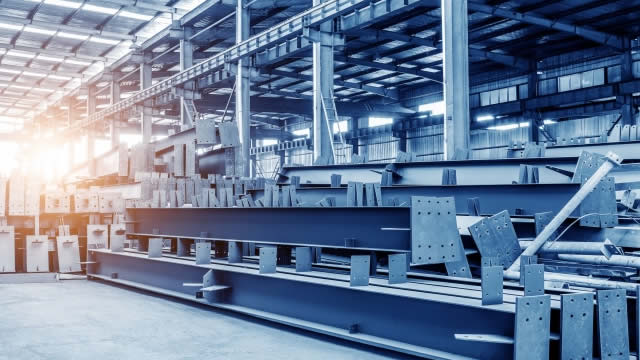
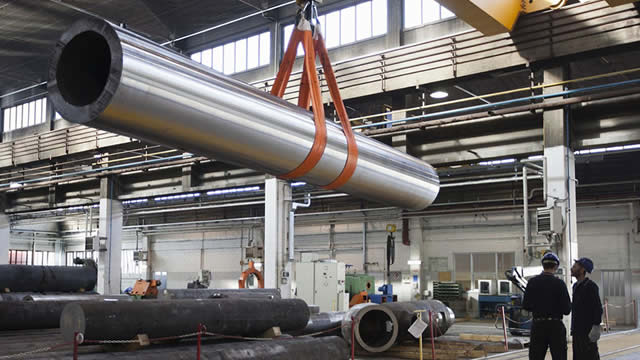
Worthington Enterprises operates as an engineered-manufacturing business serving industrial and energy-linked end markets. The value chain is typically: (1) source steel and related inputs, (2) manufacture pressure-related and engineered metal products under stringent specifications, (3) qualify products with customers and regulators, and (4) support a long-lived installed base through repeat orders and periodic compliance/maintenance cycles. Many products are integrated into customer operations (storage/transport and industrial handling of gases and other fluids), which creates practical friction in switching vendors once product fleets and qualification pathways are established.
💰 Revenue Streams & Monetisation Model
Revenue is primarily transactional, driven by product sales (new production) across customer programs, with monetisation supported by ongoing replacement and growth in customer capacity. Margin drivers are largely structural and operational:
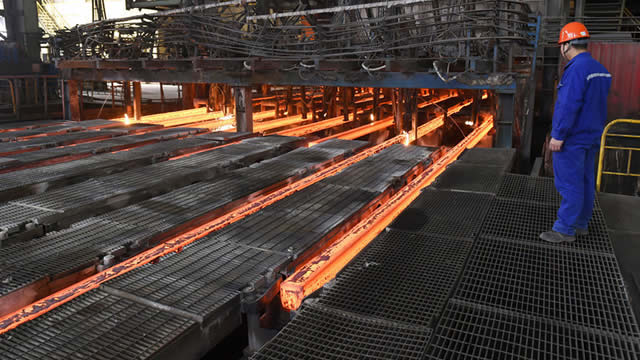
- Material pass-through and purchasing discipline: steel and related inputs are a meaningful cost component; the ability to manage procurement, utilization, and contract pricing is central to gross margin stability.
- Manufacturing yield and capacity management: process efficiency and schedule execution influence per-unit costs in a sector where fixed costs are material.
- Aftermarket / replacement cycles: where products form part of an installed base (pressure vessel and handling equipment), periodic reorders can provide a degree of recurrence versus purely one-off industrial components.
While end-market demand can be cyclical, the economics often improve when the company can translate higher utilization into lower unit costs and protect pricing during input-cost inflation.
🧠 Competitive Advantages & Market Positioning
Moat: Switching costs and qualification-driven barriers in engineered pressure equipment. Competitors can introduce competing bids, but gaining meaningful share typically requires meeting strict design, safety, and certification requirements, plus customer validation of performance and serviceability. Once integrated into customer fleets and operating procedures, the practical cost of requalification and operational disruption strengthens customer retention.
Competitive benchmarking (industry peers):
- Chart Industries (pressure vessels/cryogenic and gas-related equipment): Chart competes across advanced pressure equipment categories; Worthington’s competitive focus emphasizes engineered metal product manufacturing and products integrated into industrial handling workflows.
- Luxfer (pressure cylinders and engineered gas containment): Luxfer competes on cylinder technology and installed-base penetration; Worthington competes on manufacturing execution, qualification pathways, and supply capability for customer programs.
- Greif (industrial packaging and distribution systems): Greif competes in industrial containment and logistics-enabled manufacturing; Worthington’s differentiation tends to be tied to engineered, specification-driven metal products rather than broad packaging breadth.
Why share capture is hard: certification and customer qualification timelines, plus the need to maintain consistent quality and compliance, make long-run vendor substitution less frequent than in commodity manufacturing. This creates a durable competitive advantage even when broader industrial demand weakens.
🚀 Multi-Year Growth Drivers
- Energy and industrial handling capacity expansion: growth in industrial throughput (and the continued need for storage and transport equipment) supports demand for engineered containment and handling products.
- Lifecycle-driven replacement demand: engineered metal products used in pressure and handling applications tend to face recurring inspection, replacement, and capacity upgrades that extend demand visibility beyond short-duration build cycles.
- Process and product mix improvements: over a 5–10 year horizon, margin durability often improves through higher-efficiency manufacturing, better utilization, and mix shift toward higher-complexity specifications.
- Customer supply-chain preferences: customers prioritize reliable capacity, quality, and compliance; firms that can scale with consistent standards typically gain share during supplier consolidation phases.
⚠ Risk Factors to Monitor
- Input cost volatility and pricing lag: steel and related input swings can pressure margins if contract structures do not fully compensate for cost changes.
- End-market cyclicality: industrial production, transportation, and energy-linked investment cycles can drive order volatility.
- Regulatory and compliance risk: pressure equipment is subject to safety and certification requirements; changes in standards can raise costs or require product redesign.
- Capital intensity and execution: maintaining and upgrading manufacturing capacity while protecting yields and throughput requires sustained operational discipline.
- Customer concentration and program timing: qualification wins and customer program ramps can be lumpy; delays can affect utilization and working capital.
📊 Valuation & Market View
Markets typically value companies in engineered manufacturing with a focus on normalized earnings power and cycle-adjusted margins, using metrics such as EV/EBITDA and enterprise value-to-segment earnings rather than pure revenue growth. The key valuation drivers that tend to move the needle are:
- Gross margin durability (material management and mix)
- Operating leverage from utilization and yield
- Quality and compliance track record (lower warranty/rework risk)
- Capex discipline and conversion of earnings into free cash flow
A credible long-term valuation often reflects that competitive advantages in engineered, qualification-heavy product categories can reduce the frequency of true share loss and support more stable earnings across cycles.
🔍 Investment Takeaway
Worthington Enterprises presents a structurally defensible profile driven by qualification and switching costs in engineered pressure-related equipment and the operational need for reliable, compliant supply. Over a multi-year horizon, the investment case rests on protecting margins through input and yield discipline, sustaining program wins within customer-approved vendor ecosystems, and translating industrial capacity growth and replacement demand into durable cash generation—while managing the inherent cyclicality of end markets.
⚠ AI-generated — informational only. Validate using filings before investing.













 Growth Catalysts