
📘 ASPEN AEROGELS INC (ASPN) — Investment Overview
🧩 Business Model Overview
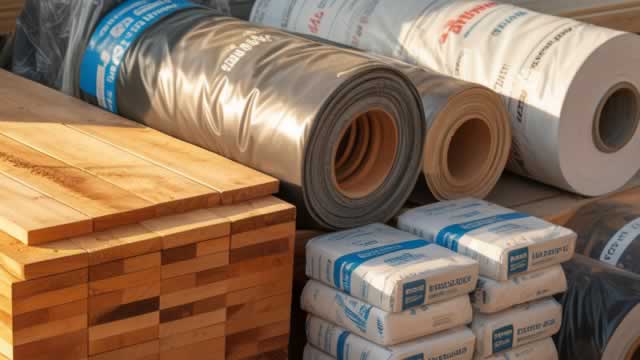
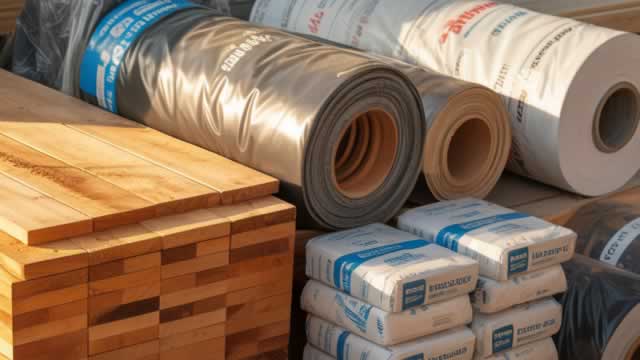
Aspen Aerogels produces high-performance aerogel insulation materials, primarily silica-based aerogel blankets and related insulation products, used where thermal efficiency and space/weight constraints matter. The value chain runs from proprietary aerogel manufacturing (turning base inputs into extremely low-conductivity insulation media), to converting those materials into customer-ready formats (e.g., blankets for integration into end-user systems), and finally into technical qualification with customers and system integrators.
The practical “how it works” is specification and integration: once an insulation material is qualified for a manufacturer’s system design—whether for industrial heat conservation, cryogenic applications, or building-envelope upgrades—Aspen’s products are embedded in bill-of-materials and procurement workflows. That qualification/integration step creates durability in demand and reduces the likelihood of rapid substitution.
💰 Revenue Streams & Monetisation Model
Monetisation is driven by product sales of aerogel insulation materials and related offerings into end markets that value insulation performance per unit thickness. The business model is largely transactional in accounting terms (sales shipments), but it benefits from stickiness in engineered specifications that can translate into more predictable repeat purchasing.
Key margin drivers include:
- Product mix toward higher-value insulation formats (applications with stronger performance requirements tend to support pricing discipline).
- Manufacturing scale and utilization (fixed-cost absorption in conversion/production improves gross margin).
- Process efficiency and yield (aerogel production economics depend on throughput and scrap/rework control).
- Customer qualification pass-through (technical support and certification work can be leveraged across programs with long-lived designs).
🧠 Competitive Advantages & Market Positioning
Aspen’s core moat is a combination of switching-cost dynamics and manufacturing/qualification capability.
- High switching costs via specification and qualification: insulation performance requirements (thermal, mechanical, and long-duration durability) often require engineering validation, installation compatibility, and sometimes compliance testing. Once a system is designed around a material, substitution is costly and slow.
- Technical performance credibility: aerogel is pursued when conventional insulation cannot meet thickness, weight, or heat-leak targets. Aspen’s ability to supply qualified materials at scale underpins its share in those applications.
- Manufacturing know-how and scale: aerogel economics depend on process control and throughput. Competitors that can’t match both performance and supply stability face structural disadvantages.
Competitive benchmarking (primary competitors and substitutes):
- Cabot Corporation (aerogel/insulation materials): competes in aerogel-related insulation solutions. Aspen’s positioning emphasizes high-performance aerogel blankets and program qualification for industrial and energy-focused applications, rather than a broader, diversified materials mix.
- 3M (insulation and related materials): competes as a materials supplier and systems-oriented player. Aspen’s focus is narrower around aerogel insulation performance for demanding thermal environments.
- Conventional insulation leaders (e.g., Owens Corning, Johns Manville): these companies compete through substitute insulation systems (fiberglass/foam/other media). Aspen’s advantage is the ability to deliver superior insulation effectiveness in constrained thickness/weight scenarios where substitutes become less competitive.
Net: the moat is not a network effect; it is an engineering-and-qualification moat supported by manufacturability and quality consistency, which together make volume difficult to displace once embedded in designs.
🚀 Multi-Year Growth Drivers
Over a 5–10 year horizon, Aspen’s growth opportunity is tied to secular demand for energy efficiency and low-carbon industrial infrastructure—markets where insulation performance and system efficiency translate into measurable operating and compliance benefits.
- Decarbonization and energy-efficiency retrofits: building energy codes and retrofit economics support high-performance insulation where space constraints limit conventional materials.
- Industrial heat conservation: process industries seek lower thermal losses to reduce energy consumption, supporting demand for higher-performance insulation.
- Cryogenic and low-temperature infrastructure: LNG-related systems and emerging low-temperature supply chains benefit from insulation media that reduce boil-off and improve thermal management.
- Hydrogen and alternative energy systems: storage and handling infrastructure increasingly requires advanced thermal management solutions, an area where high-performance insulation can be structurally valuable.
- Customer program life cycles: once a material is qualified into an equipment platform, orders can follow the platform’s multi-year manufacturing cadence.
⚠ Risk Factors to Monitor
- Capital intensity and manufacturing ramp risk: scaling aerogel production and conversion capacity can strain working capital and profitability if utilization lags.
- Program timing and qualification cycles: engineered materials can face delayed customer approvals, specification changes, or slower-than-expected commercial adoption.
- Substitution risk: conventional insulation incumbents can gain share where performance requirements are less stringent or where total installed cost favors substitutes.
- Competitive pressure in aerogel supply: increased capacity from peers can affect pricing and margin structure, particularly if demand growth lags new supply.
- Input and energy costs: while aerogel is not a direct “low-cost fuel” business, manufacturing economics can still be influenced by energy usage and key input costs.
- Customer concentration and procurement leverage: engineering-driven end markets can concentrate purchases with large OEMs/system integrators that exert pricing and contract terms.
📊 Valuation & Market View
Markets typically value Aspen Aerogels using a blend of EV/EBITDA-style frameworks for industrial materials growth and P/S-style expectations for companies where the market is underwriting scale, margin expansion, and long-lived customer programs. The key valuation sensitivities are:
- Gross margin trajectory driven by manufacturing efficiency and favorable mix.
- Operating leverage as volumes rise with capacity utilization.
- Durability of demand from qualified programs (signal of stickiness vs. purely cyclical purchase behavior).
- Credibility of capacity plans (timelines, ramp rates, and unit cost reductions).
A sustained rerating generally requires evidence that demand growth converts into scalable profitability rather than margin dilution.
🔍 Investment Takeaway
Aspen Aerogels offers an insulation materials thesis anchored in engineering-driven switching costs and manufacturing/qualification capability. The company participates in secular energy-efficiency and low-temperature infrastructure build-outs where high-performance insulation can be specified into equipment for multi-year program life cycles. The investment case hinges on successful scaling, sustained margin structure, and continued penetration into applications where conventional insulation is insufficient.
⚠ AI-generated — informational only. Validate using filings before investing.

















 Growth Catalysts