📘 ESAB CORP (ESAB) — Investment Overview
🧩 Business Model Overview
ESAB participates in the industrial joining value chain—supplying welding and cutting equipment, automation solutions, and consumables (electrodes, wires, gases-related consumables, and related accessories). The business typically sells a “system,” where equipment performance depends on the correct consumable for the process (welding parameter windows, metallurgy, and shielding technique). After the initial equipment purchase, ESAB’s installed base creates ongoing demand for consumables, replacement parts, and process support.
Customer engagement tends to be practical and technical: qualified processes, operator training, and application expertise lower the risk of scrap and rework. ESAB’s service and distribution model reinforce stickiness by reducing downtime and ensuring access to approved materials and spare components.
💰 Revenue Streams & Monetisation Model
Monetisation is anchored by consumables and process-related spend, complemented by equipment and automation. Consumables behave more like a repeat-purchase stream because production teams reorder regularly based on throughput, shift schedules, and maintenance cycles. Equipment and automation are more project- or capex-driven, typically supported by service contracts, spare parts, and upgrades over the equipment lifecycle.
Key margin drivers include:
- Consumables mix: a larger share of consumables generally supports steadier gross margin versus purely hardware-driven revenue.
- Product/process complexity: specialized electrodes, wires, and application-specific systems carry higher value per application.
- Service and parts: serviceability of deployed systems can support incremental margin.
- Supply chain execution: welding inputs include material components that require disciplined procurement and inventory management.
🧠 Competitive Advantages & Market Positioning
ESAB’s competitive position is best described as a customer-process moat with switching costs rather than a single product moat. Welding operations qualify procedures and consumables to meet specifications; changing suppliers can increase qualification time, introduce process variability, and elevate quality risk (scrap/rework). That “qualification and operating continuity” dynamic increases switching costs for industrial customers.
The moat is reinforced by:
- Installed base and approved processes: customers calibrate processes around equipment + consumables + parameters, creating familiarity and operational continuity.
- Technical application knowledge: process know-how, training, and engineering support help customers achieve repeatability and compliance.
- Distribution and service reach: availability of consumables and spare parts reduces downtime and supports long-run purchasing relationships.
- Automation and productivity solutions: when integrated into production lines, automation solutions increase the burden of replatforming.
Competitive benchmarking:
- Lincoln Electric (welding equipment and consumables): strong positioning in consumables and engineered solutions; often competes for large industrial accounts and process-based differentiation.
- Illinois Tool Works (Miller) (welding equipment): competes across equipment and parts; tends to emphasize engineered welding solutions and distribution coverage.
- Panasonic Welding Systems (industrial welding technology): competes with automation and equipment innovation, often focusing on high-productivity processes.
ESAB’s differentiation centers on broad coverage across welding/cutting consumables and equipment, supported by application expertise and service/distribution designed to keep customers within qualified process frameworks. Versus rivals, the strategic focus remains on deep penetration within industrial plants where consumables and process support are continuous, not one-time purchases.
🚀 Multi-Year Growth Drivers
- Industrial production intensity and maintenance spend: long-lived industrial assets drive recurring joining activity (fabrication, repair, and overhaul), supporting consumables demand.
- Shift toward higher productivity processes: automation adoption and productivity requirements increase the addressable market for integrated welding systems and engineered consumables.
- Workforce and quality constraints: labor availability and quality/regulatory expectations raise the value of standardized, qualified processes—supporting purchases of application-engineered solutions.
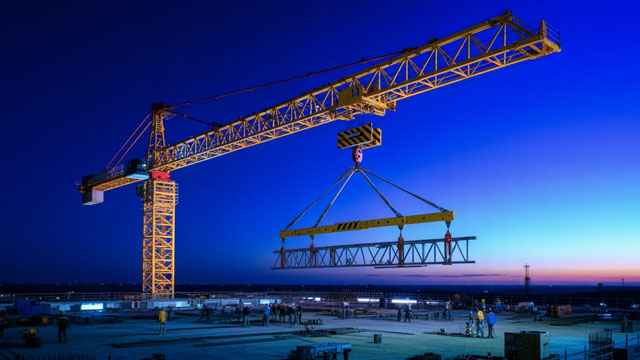
- Energy transition and infrastructure fabrication: construction, pressure vessel fabrication, pipelines, and related industrial builds require extensive welding/cutting consumables and equipment.
- Geographic expansion of industrial capacity: increased manufacturing footprints in emerging industrial regions expand the installed base over the cycle, supporting long-run consumables replenishment.
⚠ Risk Factors to Monitor
- Industrial end-market cyclicality: equipment and automation purchases can be more cyclical than consumables, impacting near-term revenue profile.
- Competitive price pressure in consumables: commoditization risk exists for some baseline products, which can pressure gross margin without differentiated mix.
- Execution risk in automation and complex projects: project delivery, integration timelines, and customer qualification can influence profitability.
- Foreign exchange and sourcing volatility: global sourcing and input costs (metals and related components) can create margin volatility without robust procurement and pricing discipline.
- Technological substitution: alternative joining methods or rapid shifts in welding automation software/process control could require continued investment to maintain competitiveness.
📊 Valuation & Market View
Equity valuation for businesses like ESAB typically depends on a balance between earnings quality (consumables-driven stability and mix) and cycle sensitivity (equipment/automation demand). Markets often emphasize valuation metrics aligned with durable cash generation such as EV/EBITDA, while also considering earnings power reflected in operating margins and reinvestment needs for product development and distribution/service capability.
Key valuation drivers include:
- Consumables mix and repeatability: sustaining a higher share of recurring replenishment supports multiple durability.
- Operating margin resilience: disciplined pricing, cost control, and product mix shift sentiment.
- Automation penetration: improving proportion of engineered systems can lift growth visibility and margin profile.
- Net working capital discipline: managing inventory and receivables through industrial cycles supports free cash flow.
🔍 Investment Takeaway
ESAB’s long-term investment case rests on a process-driven switching-cost moat: customers qualify welding procedures and consumables around operational requirements, creating durable replenishment demand and resistance to churn. The company’s combination of consumables recurrence, technical application support, and automation-enabled productivity offers a structurally resilient platform across industrial repair and fabrication cycles—provided execution remains strong in mix management, service coverage, and competitive differentiation.
⚠ AI-generated — informational only. Validate using filings before investing.















 Growth Catalysts