📘 KITE REALTY GROUP TRUST REIT (KRG) — Investment Overview
🧩 Business Model Overview
KRG is a retail REIT focused on owning, operating, and selectively redeveloping retail shopping centers, with emphasis on grocery-anchored and necessity-based tenant mixes. The operating value chain is straightforward: (1) acquire or develop retail properties in durable, demand-supported submarkets; (2) lease space to a diversified set of tenants and anchors; (3) generate recurring rent plus recoveries for operating expenses (e.g., CAM, property taxes, insurance); and (4) enhance long-term cash flow through redevelopment, re-tenanting, and capital recycling—swapping underperforming square footage or older formats into higher-productivity retail.
💰 Revenue Streams & Monetisation Model
The monetisation model is dominated by recurring lease-based income:
- Base rent from tenants under multi-year leases, typically with contractual escalators.
- Recoveries (operating expense reimbursements) that partially offset property-level cost inflation.
- Percentage rent where certain leases include sales-based participation components (structurally smaller than base rent but supportive when consumer activity is strong).
- Development/redevelopment-driven incremental rent achieved by replacing lower-cash-flow space with modern, higher-rentable concepts and by re-leasing at improved terms.
Margin structure is primarily a function of occupancy stability, lease economics (rent spreads at renewal), and operating cost discipline. Because much operating expense exposure is recoverable, the key profit drivers are sustaining demand for space and keeping downtime limited during re-leasing.
🧠 Competitive Advantages & Market Positioning
KRG’s moat is rooted less in “network effects” and more in location-driven asset specificity, tenant mix discipline, and the ability to execute redevelopment without disrupting long-term cash generation. The most durable elements are:
- Geographic and demand-submarket positioning: ownership in infill, population-supported areas can reduce exposure to hollowing-out that can hit weaker retail corridors.
- Tenant mix quality (necessity and essential services): grocery-anchored and service-oriented tenant rosters tend to show more resilient foot traffic than discretionary-only formats.
- Redevelopment/operating capability: centers often improve through remerchandising, layout optimization, and amenity upgrades—capitalizing on “real options” where land and existing infrastructure already exist.
Competitive benchmarking (open-air retail REIT peers):
- Federal Realty (FRT): similarly emphasizes high-barrier submarkets and redevelopment, with a more concentrated footprint in select East Coast markets.
- Regency Centers (REG): focuses on well-located shopping centers with emphasis on grocery and daily needs, competing for the same tenant types and neighborhood trade areas.
- Kimco Realty (KIM): operates a larger diversified portfolio of retail assets; tends to compete more broadly across submarkets and center formats.
KRG’s positioning contrasts with peers through its emphasis on redevelopment-enabled cash flow from retail centers in growth-supported trade areas, seeking a balance between tenant-credit quality and upside from lease-up/re-leasing economics. Competition remains intense for best-in-class locations, but redevelopment execution and tenant-mix choices can create differentiation at the asset level.
🚀 Multi-Year Growth Drivers
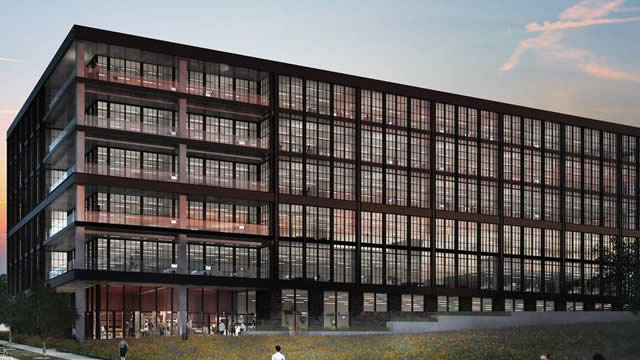
- Redevelopment and re-tenanting cycle: a multi-year runway exists where older retail configurations are modernized, increasing rent per square foot potential and improving tenant demand.
- Residential and household formation tailwinds in durable trade areas: retail centers tied to stable or growing local populations can benefit from incremental household spending.
- Structural preference for “must-have” physical retail: grocery, pharmacy, health-adjacent services, and other necessity categories generally remain less vulnerable to pure e-commerce substitution.
- Scale in property operations: standardized leasing processes, asset management playbooks, and experience with tenant negotiations can support consistent leasing outcomes and limit operating inefficiency.
- Capital recycling: disciplined portfolio management can rotate capital away from structurally challenged locations toward assets with stronger long-term rent durability.
Over a 5–10 year horizon, the principal TAM expansion is less about new consumption and more about capturing cash flows from improving the quality and productivity of existing retail assets within demand-supported geographies.
⚠ Risk Factors to Monitor
- Interest rate and refinancing risk: REIT performance is sensitive to debt costs and capital market access; higher cap rates can pressure asset values and future acquisition economics.
- Retail tenant credit and lease rollover exposure: even necessity-anchored portfolios face cyclical pressures if consumer demand weakens or if certain tenant categories encounter structural stress.
- Redevelopment execution risk: delays, cost inflation, and construction scheduling can push rent gains out or compress returns.
- Property tax and operating cost inflation: recoveries can mitigate, but not fully eliminate, expense pass-through variability by jurisdiction and lease structure.
- Concentration and local economic risk: submarket-specific shocks (employment, household formation, or retail competition) can impact leasing velocity and renewal spreads.
📊 Valuation & Market View
Equity REIT valuations typically anchor to cash-flow durability rather than traditional earnings multiples:
- FFO/AFFO-based metrics: the market places weight on sustainable operating cash flow after recurring maintenance capital.
- Occupancy, same-center fundamentals: leasing success, rent spreads, and expense control are key valuation drivers.
- Interest rate and cap rate dynamics: discount rates influence both asset values and the forward pricing of new acquisitions/developments.
- Dividend capacity: payout coverage relative to normalized cash generation influences risk perception and investor demand.
In this sector, sentiment often shifts when interest rate expectations change, when credit spreads widen, or when market confidence around retail rent durability weakens.
🔍 Investment Takeaway
KRG’s long-term thesis rests on owning and actively improving retail centers in demand-supported submarkets, with a tenant mix oriented toward necessity-driven traffic patterns and a business focus on redevelopment and re-leasing to lift cash flow productivity. The core watch items are debt affordability, redevelopment execution, and leasing outcomes at the asset level. For investors seeking an evergreen retail REIT profile, KRG’s differentiator is the combination of durable location economics and operational capability to convert existing property platforms into higher-quality, higher-productivity retail cash flows.
⚠ AI-generated — informational only. Validate using filings before investing.




















 Growth Catalysts