📘 LUMENTUM HOLDINGS INC (LITE) — Investment Overview
🧩 Business Model Overview
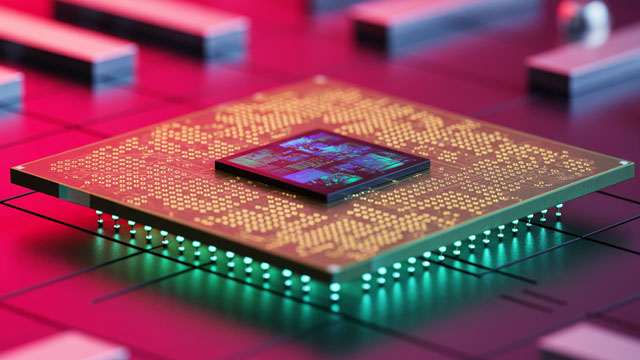
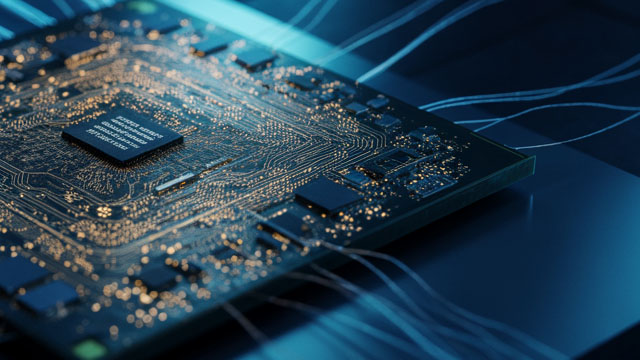
Lumentum designs and manufactures photonic components and subsystems used to transmit high volumes of data over fiber in both telecom networks and data center connectivity. The value chain is primarily: (1) product engineering and photonics design (lasers, optical modules, coherent optics-related components), (2) precision manufacturing with tight quality control to meet optical performance and reliability requirements, and (3) customer qualification and integration into optical network equipment and transceiver ecosystems.
Customer stickiness is reinforced by long qualification cycles, performance verification requirements, and the operational cost of interoperability changes once components are validated within an installed base.
💰 Revenue Streams & Monetisation Model
Revenue is generated through the sale of photonic products into original equipment manufacturers (OEMs) and optical transceiver/optical networking suppliers. Monetisation is driven by the mix of higher-value optical modules and performance-critical components versus more commoditized optical assemblies.
- Transaction-driven sales with recurring demand from network build and upgrades: Orders tend to track customer build cycles across hyperscale data centers and telecom network modernization.
- Margin drivers: Gross margin is influenced by manufacturing yield, product mix toward high-performance optical solutions, and operating leverage as capacity is absorbed.
- Service/long-term supply dynamics: While not primarily a service business, long-lived optical network equipment creates ongoing replenishment and replacement demand once products are qualified.
🧠 Competitive Advantages & Market Positioning
Lumentum’s moat is rooted in high switching costs (qualification and interoperability), technical/intangible assets (photonic IP, design know-how, and manufacturing process expertise), and manufacturing execution that supports high-reliability performance.
Switching Costs (Hard to replicate): Competitors must pass customer-specific performance tests, reliability validation, and integration requirements. Even when alternative suppliers exist, the practical hurdle of re-qualifying components and avoiding network operational risk slows share transitions.
Technical and process barriers (Intangible assets): Photonic components require deep engineering capability across laser performance, optical stability, and packaging/assembly techniques that translate into yield and field reliability—capabilities that tend to take years to mature.
Industry focus vs. peers: Lumentum is positioned as a photonics and optical components supplier. That differs from system-level networking vendors, which integrate components and sell end-to-end equipment, and from pure-play photonics competitors that emphasize similar component categories.
- Coherent Technologies: A direct photonics/component competitor with overlapping capability in telecom and data center optical components. Competes on performance and supply reliability.
- Nokia and Ciena (optical networking systems): System vendors that may internalize some component strategies and compete at the equipment layer rather than only at the component layer.
- Sumitomo Electric (optical components): Competes in optical component categories and supply relationships, often leveraging established manufacturing and customer penetration.
Net effect: Lumentum’s competitive differentiation is less about “branding” and more about successfully qualifying performance-critical photonic products at scale—where execution risk is meaningful for customers.
🚀 Multi-Year Growth Drivers
Over a 5–10 year horizon, Lumentum’s addressable opportunity is supported by persistent bandwidth demand and continuous upgrades in both telecom and data center networks:
- Coherent optics adoption and spectral efficiency improvements: As network requirements increase, coherent architectures and higher-order modulation/signal-processing approaches expand the use of advanced optical components.
- Data center bandwidth growth: Ongoing increases in interconnect capacity support demand for higher-speed optics and performance-critical photonics.
- Network modernization across telecom: Migration to newer architectures and higher capacity transport drives incremental component usage within optical transport systems.
- Product mix shift toward higher performance: As transmission standards evolve, customers increasingly demand solutions that meet tight optical performance envelopes, benefiting suppliers with mature engineering and manufacturing capabilities.
⚠ Risk Factors to Monitor
- Technology substitution risk: Advances such as more integrated photonics approaches, alternative architectures, or different transmission paradigms can pressure the demand profile for existing products.
- Cycle and order variability: Telecom and data center build cycles can be uneven, affecting revenue and absorption of manufacturing fixed costs.
- Qualification and customer concentration: Loss of design wins or slower re-qualification timelines can delay revenue conversion. Concentration in major OEM/customer relationships may increase bargaining power risk.
- Manufacturing yield and supply chain execution: Photonics performance depends on tight process control; disruptions or yield declines can pressure margins and delivery commitments.
- Trade and regulatory constraints: Export controls and trade restrictions can alter addressable markets and component supply routes.
📊 Valuation & Market View
Markets typically price this sector using a blend of EV/EBITDA and P/S-type frameworks, reflecting the cyclicality of optical component end markets and the importance of margin durability. Key valuation levers tend to be:
- Gross margin resilience: Evidence of manufacturing yield improvement and favorable mix toward higher-performance solutions.
- Operating leverage through cycles: The ability to convert volume into profit as fixed costs are absorbed.
- Revenue quality and product mix: Shifts toward solutions with stronger performance differentiation and lower substitution risk.
- Cash flow generation: Working capital discipline and inventory management during demand swings.
🔍 Investment Takeaway
Lumentum’s long-term investment case rests on durable switching costs from customer qualification and interoperability requirements, supported by technical and manufacturing barriers that competitors must overcome to win share in performance-critical photonics. While the end markets are cyclical, the secular drivers—bandwidth growth, coherent optics evolution, and ongoing network modernization—provide a credible pathway for sustained demand, with the primary question centered on execution: maintaining yield, protecting design wins, and navigating technology shifts.
⚠ AI-generated — informational only. Validate using filings before investing.















 Growth Catalysts