
📘 MDU RESOURCES GROUP INC (MDU) — Investment Overview
🧩 Business Model Overview
MDU Resources operates through a regulated utility platform and a set of construction-oriented businesses. The utility segment delivers electricity and natural gas to retail customers within assigned service territories, earning returns on an installed “rate base” of long-lived distribution and related assets. Service is bundled around infrastructure ownership: customers receive power and gas delivery through MDU’s wires and pipelines, while certain fuel and commodity costs are subject to regulatory pass-through mechanisms.
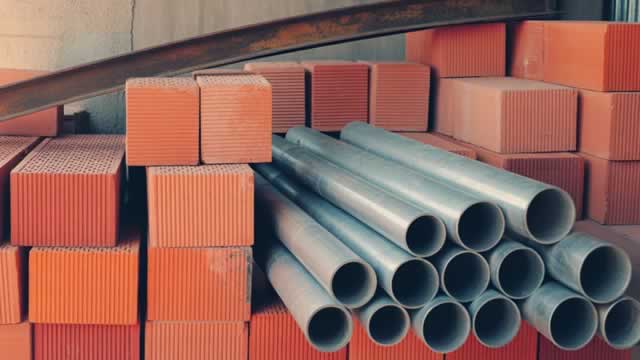
The construction-related operations monetize demand for infrastructure build-outs through (1) construction services tied to utilities and non-residential projects and (2) construction materials (aggregates) supplied from local production sites. These businesses convert project and construction activity into revenue using physical assets—equipment, field labor, and quarries/production facilities—where delivery proximity and logistics materially influence profitability.
💰 Revenue Streams & Monetisation Model
Regulated utility revenue is primarily driven by delivery charges and authorized returns on rate base, creating a structurally recurring earnings component relative to cyclical construction activity. Volumetric usage (electric demand, gas throughput) can introduce some variability, but the regulatory framework generally anchors longer-term earning power by allowing recovery of prudently incurred costs and maintaining an allowed return on invested capital.
Construction services revenue is largely transactional and tied to project timing, bid pipeline, and execution. Margin depends on labor productivity, project mix, subcontractor costs, and disciplined contract terms (especially on cost-plus versus fixed-price exposure).
Construction materials revenue is transactional and linked to building and civil infrastructure cycles. Profitability is influenced by operating leverage at production sites, production discipline, and transportation economics—how far materials must be hauled versus local competitors.
Primary margin drivers across the platform include: (1) regulatory efficiency and capital execution in the utility rate base, (2) commodity cost recovery dynamics for gas and power, and (3) cost position and logistics for construction services and materials.
🧠 Competitive Advantages & Market Positioning
MDU’s principal moat is hard-to-replicate infrastructure and regulatory protection in utility service territories, combined with geographic logistics advantages in construction materials.
- Regulated franchise + asset intensity (switching-cost moat): In electricity and natural gas distribution, customers do not “switch” providers in a competitive market the way they would in retail products. The key competitive barrier is the cost and timeline required to build distribution networks, secure rights-of-way, and earn regulatory approvals for service. This creates embedded switching costs for customers and limits meaningful competitor encroachment.
- Geographic cost advantage in construction materials (logistics moat): Aggregates economics depend heavily on hauling distance and proximity to job sites. Local production reduces transportation costs, improves delivery reliability, and can support better unit economics than producers serving the same demand from farther distances.
- Operational discipline and procurement scale: Utility earnings quality is supported by cost control and project execution in capital programs, while construction operations benefit from established field and plant operating systems.
Competitive benchmarking (industry focus contrast):
- Regional utilities: MDU primarily competes on infrastructure reliability and regulatory-authorized performance within local footprints against regional utilities such as NorthWestern Energy, Avista, and Otter Tail Power. Compared with multi-state peers with different generation mixes and regulatory dynamics, MDU’s advantage rests on concentrated service territory operations and recurring delivery revenue anchored by rate base regulation.
- Construction materials and aggregates: In aggregates and related materials, MDU faces competition from producers such as Vulcan Materials and Martin Marietta. Large national-scale competitors may offer broader capacity, but MDU’s positioning is supported by localized supply and logistics economics that favor nearer production sites.
- Construction services: For contracted utility and infrastructure work, competitors include firms such as Primoris and other regional specialty contractors. MDU’s differentiator is the ability to support projects with established utility adjacency and execution know-how across its operating footprint.
🚀 Multi-Year Growth Drivers
Over a 5–10 year horizon, growth is less about broad market expansion and more about rate base expansion, maintenance/modernization capex, and infrastructure activity.
- Regulatory rate base growth: Ongoing capital programs for grid modernization, reliability improvements, and system expansions can expand the asset base that supports authorized returns. For regulated utilities, the long-run earnings profile often improves when capital is executed prudently and regulatory outcomes are favorable.
- Demand resilience and electrification/efficiency: Electricity demand growth is influenced by end-use economics and regional population trends, while natural gas remains important where heating and industrial demand persist. Even absent high growth volumes, reliability and distribution investment provide a platform for earnings sustainability.
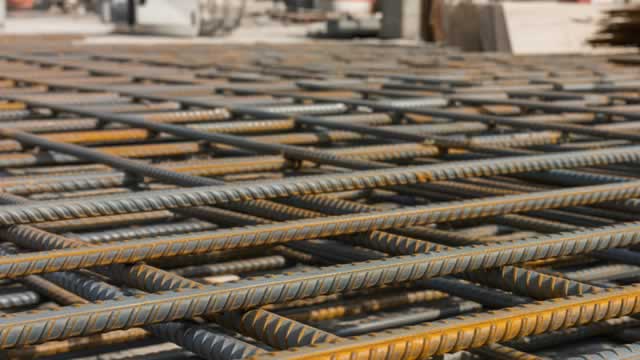
- Infrastructure build-out and replacement cycle: Construction services and materials benefit from civil infrastructure spending, utility work, and replacement of aging systems. These segments can scale with the broader capex cycle in transportation, energy, and municipal projects.
- Operational leverage from plant and project utilization: Materials producers typically see margin improvement when production and freight/logistics constraints ease and demand supports higher throughput at existing sites.
⚠ Risk Factors to Monitor
- Regulatory outcomes: Rate case timing, allowed returns, depreciation/amortization assumptions, and cost disallowances can materially influence utility earnings power.
- Capital intensity and execution risk: Utilities face large, long-duration capex commitments. Cost overruns, construction delays, or higher-than-expected operating costs can impair returns until regulatory recovery mechanisms catch up.
- Commodity and weather volatility: Natural gas supply costs and heating-season demand can affect margins where recovery mechanisms are delayed or imperfect. Severe weather also impacts both volumes and operating costs.
- Environmental compliance and reliability standards: Compliance costs and remediation obligations can rise with evolving standards and permit requirements.
- Construction cyclicality: Construction services and materials are exposed to project timing, labor and equipment cost inflation, and demand contractions in discretionary infrastructure spending.
- Liquidity and credit discipline: High-quality earnings still require manageable interest expense and consistent access to capital markets, particularly when capex is elevated.
📊 Valuation & Market View
The market typically values MDU through a combination of regulated utility cash flow frameworks and sum-of-the-parts thinking for construction-linked segments. For utilities, the valuation narrative tends to emphasize durable earnings tied to rate base and operating reliability rather than growth at any cost. Common valuation drivers include:
- Rate base growth and prudence (how much invested capital supports earnings via regulation)
- Regulatory visibility around cost recovery, depreciation, and allowed returns
- Credit quality (capital spending plans funded without excessive risk)
- Commodity pass-through dynamics (how insulated margins are from fuel and purchased energy movements)
- Construction segment cycle and margins (utilization and logistics cost control)
Given the mix, sentiment can shift between “utility stability” and “construction-cycle sensitivity,” depending on expectations for capex execution and the pace of infrastructure spending.
🔍 Investment Takeaway
MDU is best understood as a regulated infrastructure compounder paired with localized, logistics-sensitive construction businesses. The durable moat is the combination of (1) customer stickiness created by utility infrastructure and regulatory franchise dynamics and (2) transportation and proximity advantages in construction materials. Long-term returns depend on prudent capital allocation, regulatory outcomes, and disciplined execution during periods of commodity and construction-cycle variability.
⚠ AI-generated — informational only. Validate using filings before investing.

















 Growth Catalysts