
📘 NETFLIX INC (NFLX) — Investment Overview
🧩 Business Model Overview
Netflix operates a direct-to-consumer streaming platform. The company monetizes subscription access to a continuously refreshed library of licensed content and internally produced titles. Value creation flows from (1) acquiring rights and funding original programming, (2) using viewing data to improve personalization and engagement, and (3) scaling distribution across internet-connected devices without physical inventory.
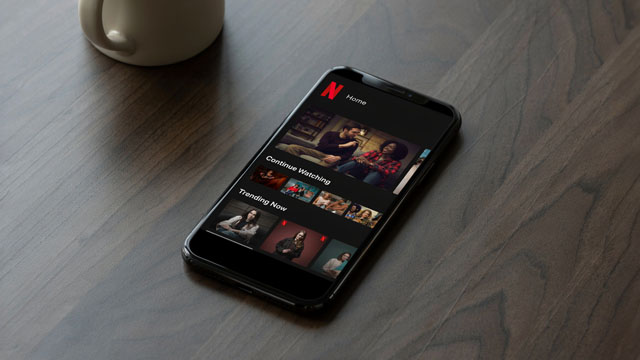
A key feature of Netflix’s model is that customer acquisition and engagement are optimized through product iteration (recommendations, interface, and content packaging), while costs are primarily content-related and largely independent of the marginal cost to stream to additional users. That cost structure supports operating leverage once subscriber scale is achieved.
💰 Revenue Streams & Monetisation Model
Netflix’s monetization is primarily subscription revenue. The model includes both ad-free and an ad-supported tier, which broadens the value proposition for price-sensitive households while adding advertising revenue without requiring transactional billing per title.
Margin drivers center on the relationship between (1) content spend (licensing and original production), (2) amortization structure of programming costs, and (3) subscriber retention and engagement. Engagement supports reduced churn, which improves the efficiency of customer acquisition costs. Scale can also reduce per-subscriber overhead in platform operations and technology, partially offsetting content cost inflation.
🧠 Competitive Advantages & Market Positioning
Netflix’s competitive moat is rooted in a combination of switching costs, data-driven product intensity, and scale economics in content.
- High switching costs (behavioral lock-in): User viewing histories, profiles, and recommendation models create friction to migrate to competitors. Competitors can offer alternative libraries, but Netflix’s personalization reduces the “search cost” for discovering content that fits individual preferences, supporting retention.
- Content and data flywheel: Engagement improves the quality of recommendations and helps allocate marketing and creative investment toward genres and formats with stronger demand signals.
- Scale economics: Global distribution scale supports more efficient programming spend and stronger bargaining power relative to smaller platforms when competing for sought-after titles and production talent.
COMPETITIVE BENCHMARKING:
Primary streaming competitors include Disney+, Amazon Prime Video, and Max (Warner Bros. Discovery). Disney+ and Max leverage large legacy content catalogues and franchise IP, which can reduce the need for near-term external licensing. Amazon Prime Video benefits from membership bundling and retail ecosystem cross-selling. Netflix competes with a global-first, “platform-centric” approach—prioritizing breadth of programming, frequent release cadence, and product-led personalization—rather than anchoring primarily on single-studio franchise libraries or retail bundle economics.
🚀 Multi-Year Growth Drivers
Over a five- to ten-year horizon, Netflix’s growth profile is supported by secular trends in digital video consumption and by platform expansion levers that can extend total addressable market (TAM).
- Global penetration of streaming: Continued shift from linear viewing to internet-delivered entertainment supports subscriber expansion, particularly where broadband quality improves and connected device adoption increases.
- Market expansion via tiering: Ad-supported subscription and differentiated price points can capture households that would otherwise defer or choose lower-cost entertainment alternatives.
- Localization and content slate breadth: Investment in regionally relevant programming can improve relevance, reduce churn, and broaden the demographic and language reach of the catalog.
- Connected TV distribution: Increasing time spent on smart TVs, streaming devices, and gaming consoles strengthens addressable viewing hours without requiring incremental physical distribution.
- Efficient engagement through personalization: Better discovery tools and tailored recommendations can increase hours watched per subscriber, improving economics even when the content supply environment is competitive.
⚠ Risk Factors to Monitor
- Content cost inflation and competitive bidding: Sustained demand for premium titles can raise licensing and production costs faster than monetization growth.
- Subscriber churn driven by platform competition: Competitors with major franchises or bundling advantages may intensify promotional pricing, impacting retention and net adds.
- Regulatory and licensing risk: Changes to copyright enforcement, content distribution rules, privacy requirements, or advertising regulation can affect economics and operational flexibility.
- Technology and distribution fragility: Platform dependencies (smart TV ecosystems, DRM changes, streaming standards) can increase friction or costs for content delivery.
- Foreign exchange exposure: Global revenue and costs create currency translation effects that can pressure reported results.
📊 Valuation & Market View
The market typically anchors valuation for streaming platforms on revenue scale, subscriber momentum, and profitability trajectory, with a strong emphasis on cash generation given content-heavy business models. Common reference points include EV/Revenue and EV/EBITDA, though investors often focus less on static multiples and more on drivers such as:
- Net subscriber growth and retention (churn discipline)
- Monetization metrics tied to tier mix (ad-supported penetration vs. ad-free)
- Operating leverage as platform and overhead costs scale
- Content amortization efficiency and the balance between programming cost growth and engagement outcomes
In general, valuation expands when investors gain confidence that Netflix can sustain engagement and retention while moderating the net impact of content cost inflation.
🔍 Investment Takeaway
Netflix’s long-term investment case rests on durable retention economics supported by switching-cost-like personalization, a content-and-data engagement flywheel, and scale advantages in distributing and financing programming globally. The primary debate centers on whether subscriber monetization and retention can keep pace with competitive content cost pressure and intensifying platform competition.
⚠ AI-generated — informational only. Validate using filings before investing.












 Growth Catalysts