📘 SCORPIO TANKERS INC (STNG) — Investment Overview
🧩 Business Model Overview
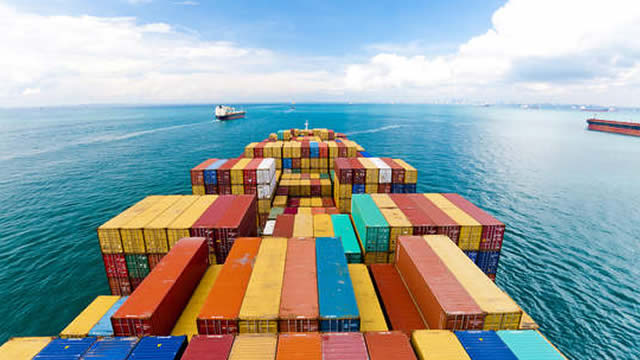
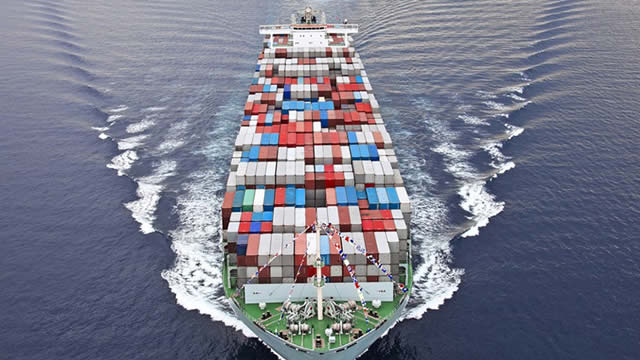
SCORPIO TANKERS INC operates in the seaborne transportation layer of the energy value chain, owning and chartering oil/product tankers to producers, refiners, traders, and other shipping users. Revenue is generated by supplying vessel capacity on either time charters (a contracted daily rate for a period of time) or spot-oriented arrangements tied to freight market rates. The company’s operational focus is maintaining fleet availability (technical reliability, compliance, and efficient port call performance) and matching vessel supply to customer demand through active chartering and fleet deployment.
Customer “stickiness” is driven less by software-style switching costs and more by operational risk and reliability: counterparties value predictable delivery, safety performance, and contract continuity, especially in tight port and scheduling environments. In practice, this creates repeat business and improves the ability to secure charters at favorable terms across market cycles.
💰 Revenue Streams & Monetisation Model
The core revenue line is freight earnings. Monetisation is primarily influenced by:
- Charter structure: Time charters typically smooth earnings relative to pure spot exposure; spot-based earnings capture upside when market rates strengthen.
- Fleet deployment and utilization: Earnings depend on how effectively ships are employed versus idle time.
- Operating cost control: Maintenance, drydocking, crew, insurance, and repairs determine the portion of gross freight that becomes operating profit.
- Route and trade fit: Vessel type and size are matched to product trade routes and charterer requirements, affecting achievable daily earnings.
Margin drivers are fundamentally cyclical (freight rate and utilization), but the company can exert influence through fleet readiness, charter coverage, and cost efficiency. Because shipping is asset-intensive, incremental improvements in utilization and operating expense discipline can materially impact free cash flow conversion through the cycle.
🧠 Competitive Advantages & Market Positioning
SCORPIO TANKERS’ competitive position is best understood as a blend of fleet/operational capability and capital market access, rather than protected intellectual property. The most durable elements are:
- Operational moat (quality, reliability, compliance): Tanker operations require strict safety and regulatory compliance. Consistent fleet readiness and low downtime support charterer confidence, improving the probability of repeat engagements and better contract terms.
- Economies of scale in vessel management: Large-scale technical and commercial management reduces per-vessel overhead and supports faster redeployment across trades.
- Financing and balance-sheet credibility: In a capital-intensive industry, access to competitively priced debt and structured capital can determine fleet growth opportunities and resilience during weaker rate periods.
Competitive benchmarking (primary peers):
- Euronav and Frontline: More concentrated exposure to crude and VLCC/large-segment dynamics, where freight cycles and regulatory retrofitting economics differ from product tanker fundamentals.
- DHT Holdings (tanker peers with meaningful product exposure): Competes for similar charterer pools but can vary in fleet mix and risk posture.
Positioning contrast: SCORPIO TANKERS’ emphasis on product tanker deployment aligns economics with refinery-driven product demand, trade patterns, and the evolution of fleet supply constrained by regulatory and shipyard capacity limits. Peers with heavier crude exposure can experience different rate correlations, because crude and refined-product shipping respond to distinct supply/demand balances and trade distances.
🚀 Multi-Year Growth Drivers
Over a 5–10 year horizon, growth is primarily a function of structural demand for liquid fuels/products and the industry’s constrained supply expansion. Key drivers include:
- Trade growth in refined products: Global refining capacity and product consumption patterns support continuing seaborne distribution, particularly where domestic refining/imports create cross-border flows.
- Fleet aging and replacement cycles: Asset obsolescence schedules, drydock timing, and replacement of older tonnage can tighten effective supply and lift utilization and earnings power.
- Regulatory and decarbonization compliance as a supply constraint: Fuel-efficiency requirements, emissions rules, and mandated onboard upgrades increase the cost and timeline of new capacity delivery, limiting near-term effective supply growth.
- Capital discipline by the industry: Shipping profitability incentivizes selective investment and fleet turnover. Well-capitalized operators can benefit when riskier entrants over-expand during favorable windows.
Because growth in shipping is constrained by available tonnage and effective supply, the “TAM” expands through the value of incremental seaborne ton-miles and the tightening of effective fleet capacity under regulatory constraints, rather than through customer count expansion.
⚠ Risk Factors to Monitor
- Freight rate cyclicality: Earnings depend on global tanker supply/demand balance, which can shift due to macroeconomic changes, inventory cycles, and trade disruptions.
- Capital intensity and residual value risk: Ship values, newbuild costs, and scrapping economics determine fleet economics and can affect book value and reinvestment returns.
- Regulatory execution risk: Environmental compliance requires capital spending and operational changes; delays or cost overruns can pressure returns.
- Counterparty and charter credit risk: In downturns, charterer credit quality can deteriorate, affecting collections and contract performance.
- Operational and safety risks: Accidents, quality issues, and insurance costs can impact cash flows and reputation with counterparties.
📊 Valuation & Market View
Shipping investors typically value operators on a combination of:
- EV/EBITDA and earnings power through the cycle: Freight cycles drive volatility, so market valuation often reflects normalized earnings assumptions.
- Net Asset Value (NAV) and fleet-adjusted metrics: Asset values, charter coverage, and estimated replacement costs influence perceived downside and reinvestment capacity.
- Free cash flow outlook and capital returns: The capacity to fund maintenance capex/drydocks while generating distributable cash flow is central to market confidence.
Key valuation “needle movers” tend to be fleet utilization, charter coverage profile, operating cost efficiency, regulatory capex requirements, and financing terms—each of which affects durable cash generation across cycles.
🔍 Investment Takeaway
SCORPIO TANKERS’ long-term investment case rests on operating execution and fleet capability in a highly cyclical but structurally constrained market. The primary durability comes from operational reliability, scale in vessel management, and access to capital that supports fleet renewal and compliance. In a shipping industry where effective supply is shaped by regulations, replacement cycles, and financing capacity, well-run operators with disciplined cost control can compound value even as freight cycles fluctuate.
⚠ AI-generated — informational only. Validate using filings before investing.









 Growth Catalysts