
📘 STRYKER CORP (SYK) — Investment Overview
🧩 Business Model Overview
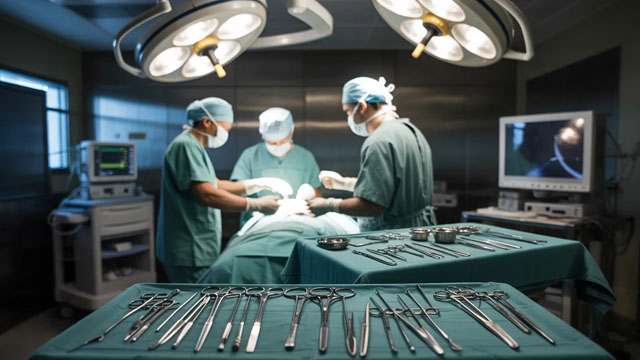
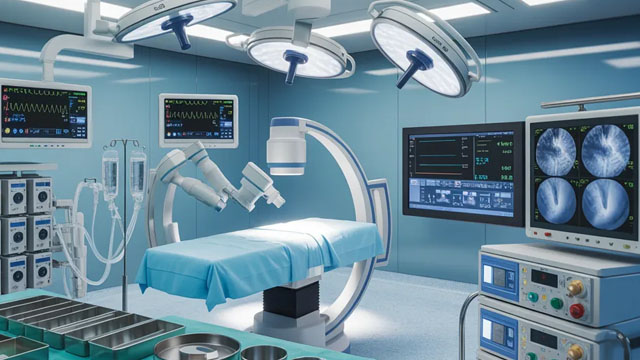
Stryker is a global medical technology company serving hospitals, ambulatory surgery centers, and surgeons across orthopedics, surgical instruments, neurosurgery, spine, and related clinical specialties. The business model blends capital-light clinical solutions with device ecosystems that embed Stryker into an operating room’s workflow: implants and disposable components are supported by instruments, training, and—where applicable—technology platforms used to plan, navigate, or standardize procedures.
Value is created by pairing clinical evidence and device performance with a high-frequency customer environment (procedure volume) and repeat purchasing (replacement of consumables and implant demand tied to patient populations).
💰 Revenue Streams & Monetisation Model
Monetisation is primarily through transactional device sales (implants, disposables, instruments) with installed-base dynamics that increase the lifetime economic value per hospital system. In orthopedics and trauma, Stryker typically captures value through a combination of:
- Procedure-driven demand (hip/knee/trauma volumes, patient outcomes, and revision rates)
- Mix and platform upgrades (higher-performing systems, technique adoption, and accessory/consumable attach)
- Recurring elements of usage (replenishment of disposables and instrument-related workflows across repeated surgeries)
Margin drivers are most sensitive to product mix (value-added platforms vs. commoditized items), manufacturing efficiency, logistics and supply continuity, and the ability to sustain pricing and rationalize portfolio costs. Stryker’s scale supports cost discipline across R&D, regulatory submissions, and manufacturing overhead allocation.
🧠 Competitive Advantages & Market Positioning
Stryker’s principal moat is high switching costs and installed-base stickiness in surgical and orthopedic workflows, reinforced by regulatory and clinical barriers to entry and scale-driven cost advantages.
- Switching costs (installed-base + training + compatibility): Hospitals and surgeon teams adopt specific instrument sets, procedure techniques, and implant systems. Switching disrupts clinical familiarity, training, and procurement routines, and can require revalidation of workflows and inventory planning.
- Clinical evidence and regulatory complexity: New device platforms require substantial engineering, clinical validation, and regulatory clearance, raising the effective time and cost required to displace entrenched systems.
- Scale and operational execution: Broad manufacturing footprint, supplier management, and portfolio depth reduce average cost and support sustained investment in innovation.
Competitive benchmarking:
- Johnson & Johnson (J&J) MedTech — broad medtech competitor spanning orthopedics and other specialties; competes for procedure share and platform upgrades.
- Medtronic — strong presence in certain surgical and specialty device areas; competes through technology platforms and clinical partnerships.
- Zimmer Biomet — major orthopedics competitor competing in implant systems and technique adoption.
Positioning contrast: Compared with these rivals, Stryker’s emphasis on orthopedics and procedure-centered technology integration strengthens installed-base effects across hospitals and surgeons, while its platform approach supports repeat usage patterns tied to instrument workflows and disposables rather than isolated one-off product introductions.
🚀 Multi-Year Growth Drivers
- Demographics and procedure prevalence: Aging populations and the higher incidence of joint and mobility-related conditions support long-run demand for implants and related procedures.
- Revision and durability-linked demand: Patient outcomes, implant longevity, and replacement cycles underpin a structural demand tailwind.
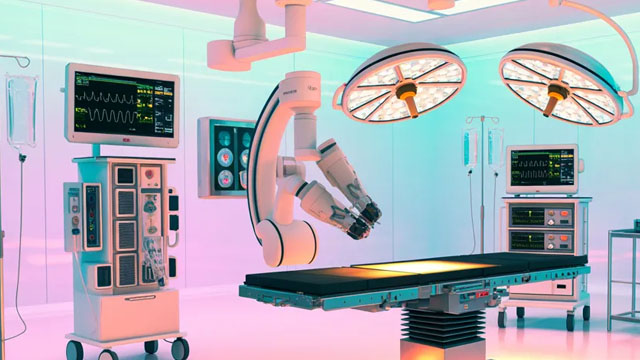
- Technology adoption and mix shift: Upgrades to higher-performing platforms, minimally disruptive techniques, and product assortments that improve procedural efficiency support unit value growth.
- Hospital systems increasing device complexity: As operating room workflow becomes more standardized and integrated, buyers favor vendors that can provide systems, training, and consistent supply—benefiting scale leaders.
- Emerging market penetration: Expanding access to elective procedures can broaden the addressable market over a 5–10 year horizon, assuming continued regulatory normalization and distribution buildout.
⚠ Risk Factors to Monitor
- Regulatory and compliance exposure: Device approvals, post-market surveillance, and quality systems in multiple jurisdictions can affect product availability and financial outcomes.
- Product quality and recall/litigation risk: Defects, reporting failures, or adverse event signals can lead to recall costs, loss of procedure share, and litigation.
- Reimbursement and purchasing pressure: Hospital budget constraints, contracting dynamics, and payer policies can constrain pricing and mix.
- Competitive displacement: Rivals can gain share via superior clinical outcomes, improved economics for health systems, or faster platform adoption.
- Supply chain and manufacturing concentration: Availability of components and capacity planning are critical in device manufacturing; disruptions can impair shipments and increase costs.
📊 Valuation & Market View
The medtech market often values durable device franchises through earnings-based multiples and quality-adjusted cash flow metrics, with premiums typically associated with:
- Repeatable demand drivers (installed-base/procedure-linked revenue)
- Sustained margin structure driven by mix, manufacturing efficiency, and pricing discipline
- Pipeline effectiveness (innovation that translates into platform adoption rather than purely incremental releases)
- Capital allocation credibility (investment in R&D, capacity, and bolt-on acquisitions that strengthen installed-base depth)
Key valuation movers in this sector typically include confidence in long-run procedure volume, the durability of installed-base economics, and the ability to manage regulatory and quality risk without impairing product continuity.
🔍 Investment Takeaway
STRYKER’s long-term investment case rests on structural switching costs and installed-base stickiness in procedure-driven orthopedics and surgical workflows, supported by regulatory/clinical barriers to entry and scale-driven operating leverage. With demand anchored by demographics and ongoing technology adoption, Stryker is positioned to sustain value creation through platform upgrades and repeat usage patterns, provided execution remains strong across quality, regulatory compliance, and supply continuity.
⚠ AI-generated — informational only. Validate using filings before investing.










 Growth Catalysts