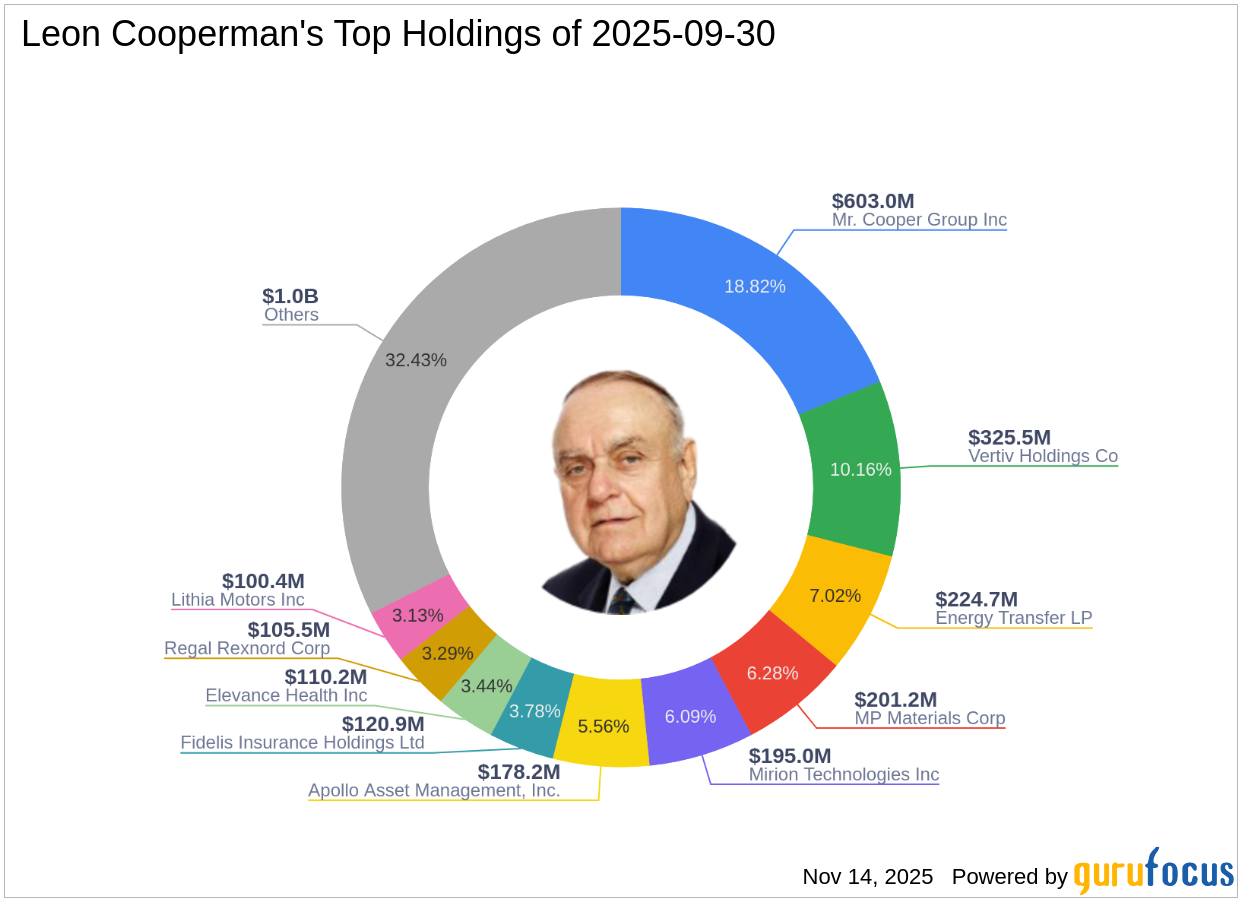
📘 MR COOPER GROUP INC (COOP) — Investment Overview
🧩 Business Model Overview
MR Cooper Group operates primarily as a mortgage servicer. The company services mortgage loans on behalf of investors/owners of the underlying loans by handling billing, escrow administration, payment processing, delinquencies, and loss-mitigation workflows (modifications, payment plans, and foreclosure activities where applicable). For those services, MR Cooper earns contractual servicing compensation and related fees.
The business is also exposed to the value of mortgage servicing rights (MSRs) and to the economics of mortgage origination/related activities where servicing is originated or acquired. The key “how it works” is that a large, performing servicing portfolio creates an ongoing stream of administration and default-management activity, which can be managed at scale through operating infrastructure, analytics, and centralized servicing platforms.
💰 Revenue Streams & Monetisation Model
The monetisation model is largely recurring, tied to servicing volume rather than one-time transactions:
- Servicing fees: compensation for collecting payments, maintaining escrow accounts, and administering loans.
- Ancillary servicing income: fees linked to default-related services (where permitted), payment processing, and other servicing activities.
- MSR-related economics: value changes driven by prepayment speeds, credit performance, and discount-rate assumptions (with accounting and hedging effects influencing reported results).
Margin drivers tend to be cost-to-serve (operational efficiency and automation), credit-driven costs (the cost and duration of delinquency resolution), and prepayment behavior (which affects MSR economics). Because servicing involves continuous administrative work, leverage to scale and disciplined operational controls can be material in underwriting the long-term earnings power.
🧠 Competitive Advantages & Market Positioning
MR Cooper’s competitive position is built on operational and regulatory switching friction plus an asset-intensity to running a large servicing platform.
- Regulatory and servicing compliance moat: Mortgage servicing is governed by extensive federal and state requirements. Consistent execution of servicing standards, documentation, and customer-contact/loss-mitigation processes raises the effective barrier to entry and increases the operational burden for challengers.
- Cost of servicing at scale: A meaningful servicing portfolio enables spread of technology, operations, staffing, vendor contracts, and controls across a larger base, improving cost per loan and allowing more targeted loss-mitigation capacity.
- Credit culture and loss-mitigation execution: Default management effectiveness can influence resolution timelines, recoveries, and operational drag—key inputs to servicing economics.
- MSR platform learning curve: Managing MSRs requires expertise in modeling prepayment behavior, hedging/valuation techniques, and operational readiness for different rate/credit regimes.
Competitive benchmarking (primary peers):
- PennyMac Financial Services (PFSI): Similar mortgage-servicing exposure with an emphasis on servicing plus related mortgage origination activities; MR Cooper’s positioning is more concentrated in servicing execution and MSR economics.
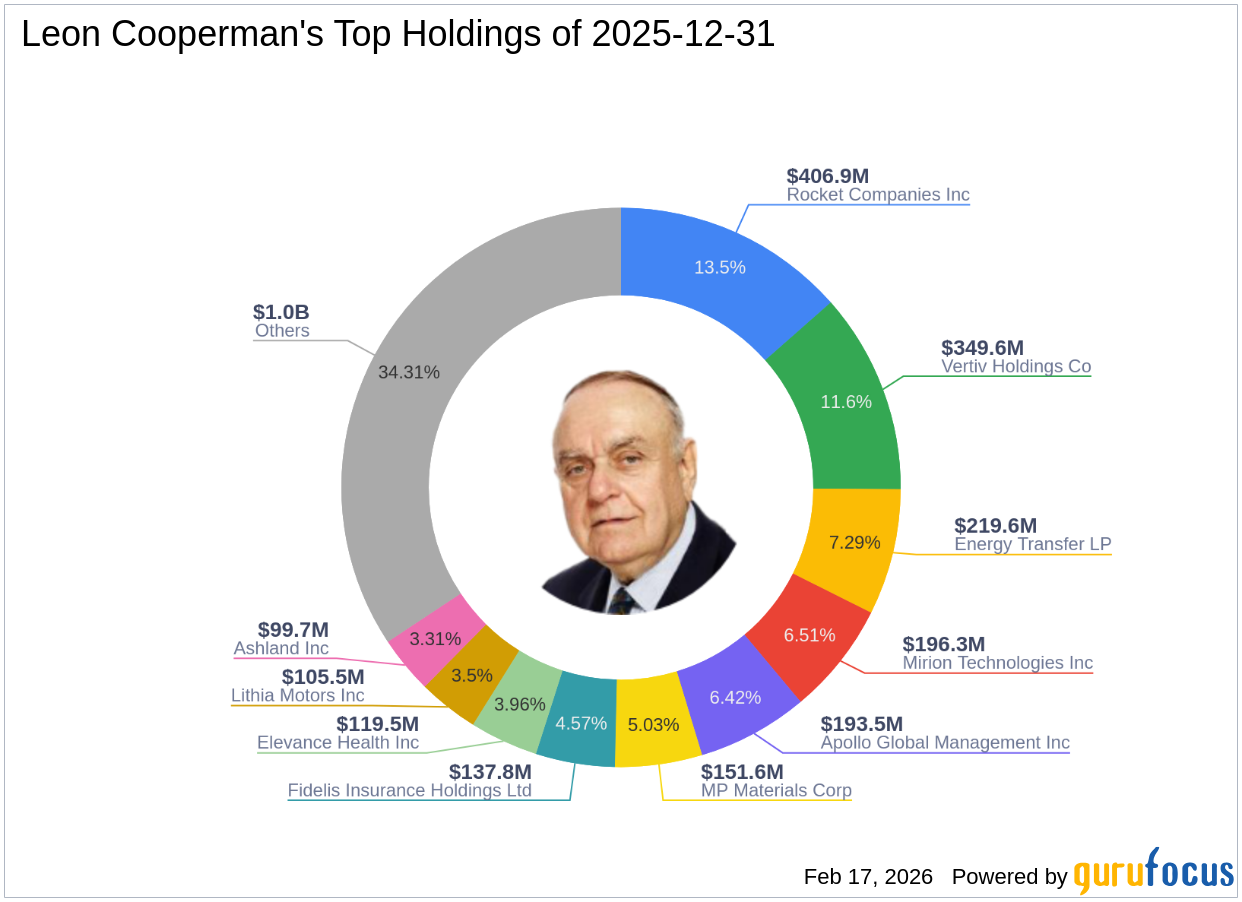
- Rocket Companies (RKT): Large-scale mortgage origination and servicing footprint; Rocket benefits from vertical integration, while MR Cooper competes by delivering servicing capacity and operating discipline on MSR portfolios.
- Ocwen / PHH legacy ecosystem (varied branded operations by platform ownership): Competes through servicing capacity and platform scale; the primary differentiator for MR Cooper is the consistency of operating model and risk-management framework needed to sustain servicing performance under regulatory scrutiny.
🚀 Multi-Year Growth Drivers
Over a 5–10 year horizon, growth is more likely to come from portfolio and execution rather than a single technology step-up:
- Market structure in mortgage servicing: Servicing rights remain a scaled, outsourced market. Capturing new MSR volumes requires operational capability and regulatory compliance—attributes that support share retention and opportunistic acquisitions of servicing portfolios.
- Servicing portfolio scale and new contract wins: As mortgage owners seek cost-efficient administrators, proven servicing operators can win servicing mandates, expanding the addressable base of loans administered.
- Loss-mitigation demand cycle: Mortgage servicing economics are supported by the need for structured delinquency management. Effective workflows and analytics can reduce operational volatility and improve recovery outcomes.
- Technology-driven cost reduction: Automation in customer servicing, document processing, call-center efficiency, and workflow orchestration can lower cost-to-serve, supporting margin durability.
TAM expansion is tied to the overall U.S. mortgage servicing universe and the ongoing practice of transferring servicing rights among major financial institutions and investors seeking specialized administration. MR Cooper’s pathway is to sustain a high-performance servicing record while scaling operations to manage larger volumes.
⚠ Risk Factors to Monitor
- Interest rate and prepayment volatility: Changes in mortgage rates drive refinance/prepayment behavior that can impact MSR economics and valuation assumptions.
- Credit and delinquency stress: Housing market conditions, unemployment, and home price dynamics can influence delinquency levels and the cost of loss mitigation.
- Regulatory and compliance risk: Servicing regulations (consumer protection, foreclosure timelines, loss-mitigation requirements, and escrow rules) can increase compliance costs or create remedial exposures.
- Operational and technology execution: High-volume servicing depends on accurate payment processing, escrow administration, and data integrity; systems failures or control weaknesses can create reputational and legal risk.
- Capital and liquidity requirements: Certain servicing activities can require advances and working capital to manage operational timing; stress scenarios can increase funding needs.
📊 Valuation & Market View
Mortgage servicing businesses are typically valued with a focus on the quality and durability of servicing earnings and the sensitivity of MSR economics to credit and prepayment assumptions. Market frameworks often emphasize:
- MSR-related metrics: valuation sensitivity to prepayment speeds, discount rates, and expected credit losses.
- Operating leverage: cost-to-serve trajectory and efficiency improvements that can stabilize servicing margins across rate cycles.
- Balance-sheet and capital quality: the capacity to absorb liquidity needs during servicing advances and stress periods.
Key variables that move the investment case tend to be sustainable cost efficiency, credit performance relative to expectations, servicing portfolio retention/expansion, and the consistency of hedging/valuation disciplines around MSR exposure.
🔍 Investment Takeaway
MR Cooper’s long-term thesis rests on a defensible servicing operating model: regulatory-compliance know-how, scalable cost-to-serve execution, and credit-focused loss-mitigation processes that support servicing economics through different rate and housing-credit regimes. The business’s growth path is anchored in expanding and retaining a large mortgage servicing footprint, with earnings durability tied to operational discipline and the careful management of MSR and related sensitivities.
⚠ AI-generated — informational only. Validate using filings before investing.