
📘 CRESCENT ENERGY CLASS A (CRGY) — Investment Overview
🧩 Business Model Overview
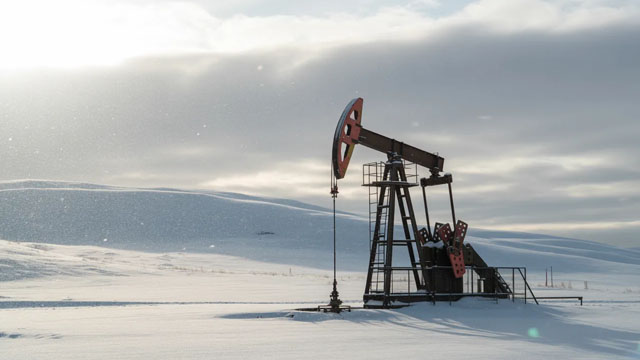
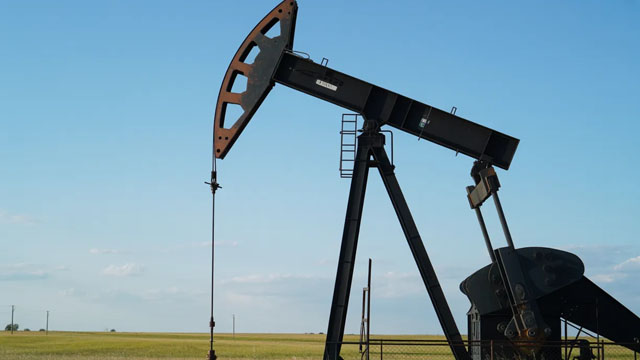
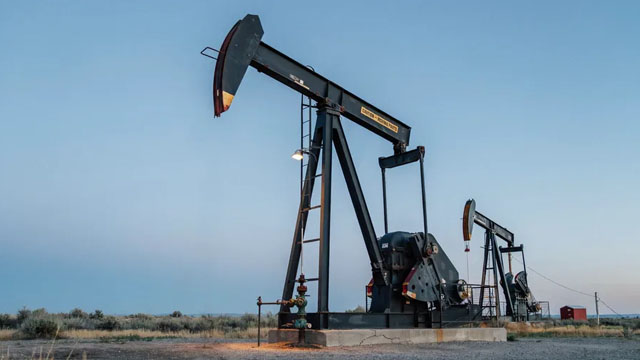
Crescent Energy is an upstream oil and natural gas producer. The business converts subsurface reserves into cash flows by (1) acquiring and maintaining drilling locations, (2) developing wells using basin-specific operating practices, and (3) monetizing production through contracts and takeaway arrangements with pipeline, gathering, and processing counterparties. Value is created at the operational level—finding and producing barrels and gas at competitive all-in costs—while reliability of physical logistics determines how much of produced volume can be delivered and at what realized prices.
💰 Revenue Streams & Monetisation Model
Revenue is primarily commodity-driven: sales of crude oil, natural gas, and natural gas liquids (NGLs). Monetisation is typically tied to market pricing with differentials reflecting basin basis, local transportation constraints, and product quality. Margin drivers are therefore less about product “pricing power” and more about:
- Production cost structure: lease operating expenses, transportation and gathering charges, and workover costs.
- Realized pricing: netbacks after transportation, quality differentials, and market basis impacts.
- Capital efficiency: the ability to translate drilling into reserves and production with disciplined development spending.
🧠 Competitive Advantages & Market Positioning
Crescent’s moat is best characterized as a cost and logistics advantage grounded in (a) basin-level operating know-how and (b) access to reliable infrastructure for moving and processing hydrocarbons. In upstream, this typically shows up as lower all-in costs per unit produced, more resilient well performance (relative decline rates and uptime), and better realized pricing through takeaway arrangements.
- Low-cost feedstock / acreage quality: Competitive economics depend on developing resource areas with favorable reservoir characteristics and sufficient drilling inventory to sustain production while managing decline.
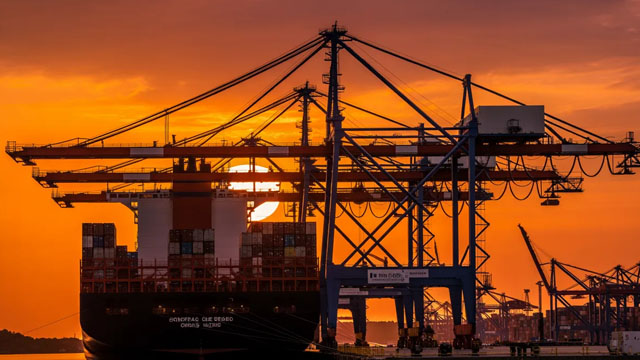
- Logistical infrastructure access: Execution quality matters where production must route to gathering, processing, and pipeline systems. Stable offtake and adequate takeaway reduce bottlenecks and protect netbacks.
Competitive benchmarking (industry context):
- Diamondback Energy and Occidental Petroleum (large-scale U.S. operators): generally benefit from broader drilling inventory, scale purchasing, and diversified asset bases.
- Pioneer Natural Resources (major independent in resource-rich basins): often carries advantages from high-quality land positions and strong execution across development programs.
Compared with these larger peers, Crescent’s positioning is typically more focused: the competitive objective is to match or exceed peer-level cost discipline and capital efficiency within a narrower operational footprint, rather than to compete on absolute scale.
🚀 Multi-Year Growth Drivers
Over a 5–10 year horizon, growth is driven by a mix of operational and market-structure factors rather than by a single product cycle:
- Inventory development and drilling repeatability: Sustained drilling programs can maintain production levels and improve economics when well performance and execution remain consistent.
- Operational efficiency and cost-down: Reducing per-unit costs through optimized drilling, completion design, procurement, and field services can widen margin resilience across commodity cycles.
- Infrastructure build-out and utilization: Improved gathering/processing availability (or better utilization of existing systems) can protect realized prices by reducing shut-ins and basis penalties.
- Capital discipline as a growth enabler: Prioritizing high-return locations supports both reserve replacement and balance sheet durability—important for funding future development.
⚠ Risk Factors to Monitor
- Commodity price and realized differential risk: Oil, gas, and NGL prices move cyclically; basin basis and transport differentials can change due to infrastructure constraints or market dynamics.
- Operational and reservoir performance risk: Well productivity, decline rates, and downtime can diverge from plan, pressuring unit economics.
- Capital intensity and execution risk: Upstream development requires ongoing capital; delays or cost inflation can impair returns and prolong balance sheet pressure.
- Regulatory and environmental risk: Methane rules, emissions reporting, water handling requirements, and permitting processes can increase costs and constrain operations.
- Counterparty and infrastructure constraints: Takeaway availability and contract terms with midstream counterparties can affect netbacks and volume deliverability.
📊 Valuation & Market View
Energy equities are commonly valued on metrics that connect enterprise value to cash generation: EV/EBITDAX, P/CF, and reserve-based value approaches. In practice, market re-rating tends to follow changes in:
- Cost per unit and netback durability: Evidence that operating leverage persists through cycles.
- Production outlook and decline profile: Sustainable output with manageable decline rates.
- Capital efficiency: Returns on incremental drilling and reserve replacement quality.
- Balance sheet and liquidity: Net leverage and access to financing influence the ability to fund development without value-dilutive actions.
Because cash flows are tied to commodity markets, the valuation “range” typically compresses or expands based on perceived operational resilience and capital discipline, not solely on reserve size.
🔍 Investment Takeaway
Crescent Energy’s long-term investment case rests on the ability to generate sustainable cash flows through competitive operating costs and reliable logistics for monetizing production, supported by disciplined capital allocation. The primary debate is whether the company can maintain cost and execution advantages relative to peers with larger scale—while managing commodity-linked volatility and regulatory capital needs.
⚠ AI-generated — informational only. Validate using filings before investing.








 Growth Catalysts