📘 KINETIK HOLDINGS INC CLASS A (KNTK) — Investment Overview
🧩 Business Model Overview
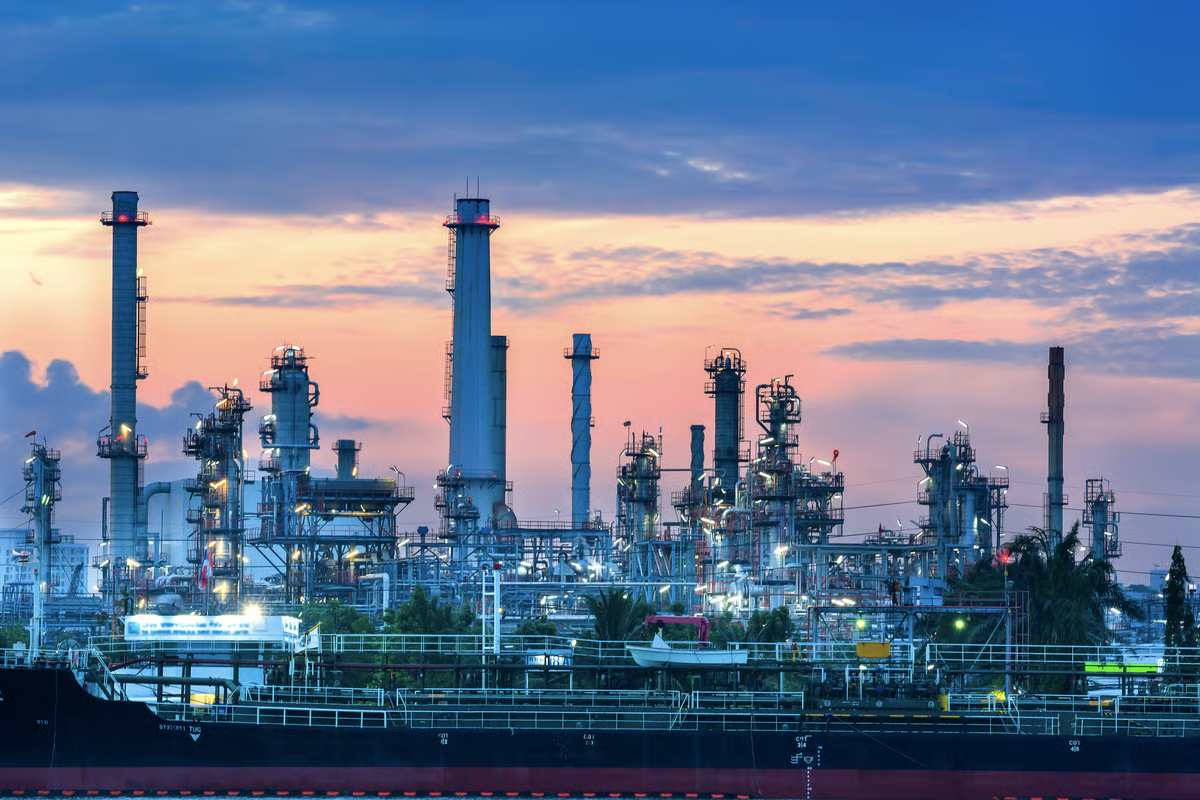
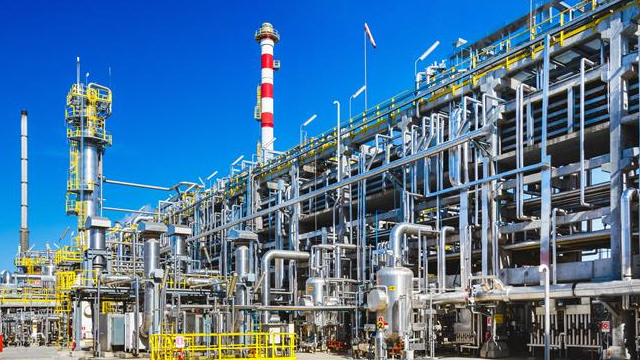
KINETIK HOLDINGS INC CLASS A operates midstream energy infrastructure that connects upstream producers to downstream markets. The value chain is built around physically moving and converting hydrocarbons—through gathering and compression, processing, and transport/storage services—so producers can monetize production while end-users receive consistent supply.
The business model typically works through a combination of fee-based arrangements tied to volumes (e.g., gathering, processing, transportation, storage) and commodity-linked exposures where applicable (e.g., value derived from throughput and product mix). Operational discipline—maintenance reliability, capacity utilization, and contracting of incremental volumes—drives long-run cash generation and reduces earnings volatility.
💰 Revenue Streams & Monetisation Model
Monetisation is anchored in throughput-linked service fees, with revenue recognition influenced by:
- Volume and utilization: incremental production growth and sustained contract take-or-pay/fee structures typically support more stable cash flows.
- Service mix: gathering, processing, transportation, and storage often carry different fee profiles and cost structures.
- Product mix and fractionation/processing economics: when the system captures value from NGL or refined-product streams, margins can reflect quality, yields, and differential relationships.
Primary margin drivers tend to include capacity utilization, operating cost management, and the ability to pass or manage commodity-linked economics through pricing mechanisms or hedging frameworks. In midstream models like this, margin quality usually improves when fixed-cost coverage is supported by contracted volumes and when expansion capital converts into incremental fee streams rather than exposed commodity risk.
🧠 Competitive Advantages & Market Positioning
KINETIK’s competitive positioning is best understood as a logistical infrastructure moat with high effective switching costs. Once pipelines, processing capacity, and storage facilities are built and permitted, competitors cannot easily replicate the right-of-way, interconnects, operating history, and customer interdependencies that determine system reliability and access to end-markets.
Moat thesis (hard-to-replicate advantages):
- Switching costs & physical network effects (infrastructure lock-in): upstream customers benefit from existing interconnects and integrated routing; downstream counterparties rely on consistent supply timing and quality.
- Geographic cost advantage: assets placed near supply basins and connected to major demand corridors reduce incremental gathering/transport costs and improve delivered-cost competitiveness.
- Scale in operations: centralized control of field operations, maintenance, and processing optimization can lower per-unit operating costs and support margin resilience.
Competitive benchmarking (industry peers):
- EnLink Midstream: similarly operates fee-based gathering, processing, and transportation assets but tends to emphasize different basin footprints and contract structures.
- ONEOK: a larger-scale network across natural gas and NGL infrastructure; its breadth can support system optimization, while KINETIK’s differentiator is often the specificity of its regional interconnect and throughput capture.
- Williams Companies: competes through extensive pipeline and processing systems; KINETIK’s competitive edge typically rests on targeted infrastructure placements near supply and demand nodes, rather than purely on size.
Overall, rivals compete for the same upstream volumes and downstream access, but KINETIK’s advantage is the cost and execution reality of building/operating comparable systems in the same operating regions—an activity constrained by permitting, right-of-way, and time-to-completion.
🚀 Multi-Year Growth Drivers
Over a 5–10 year horizon, growth is most plausibly driven by structural demand and basin-to-market dynamics that favor capable midstream operators:
- North American natural gas and NGL supply growth: expanding upstream drilling programs increase the need for gathering, processing, and takeaway capacity.
- Rising value of liquids and processing yields: systems that can capture NGL economics benefit from higher recoveries and downstream product demand (e.g., petrochemical feedstocks).
- Infrastructure buildout where pipelines are constrained: scarcity of incremental transportation/storage capacity often elevates the importance of existing connected assets and supports utilization.
- Contracting and capacity optimization: reliability improvements, debottlenecking, and incremental commercial arrangements can convert into durable distributable cash flow even when upstream growth is uneven.
The long-term TAM expands as more production requires downstream logistics and processing, and as regulatory and engineering constraints slow greenfield buildouts—tending to strengthen incumbent infrastructure economics.
⚠ Risk Factors to Monitor
- Regulatory and permitting risk: pipeline routing, emissions compliance, and operational permits can alter project timelines and cost structures.
- Volume and throughput risk: upstream production declines, customer drilling pauses, or contract renegotiations can reduce utilization.
- Commodity-linked margin pressure: if any revenue exposure is tied to product spreads/differentials, weaker market conditions can compress cash margins.
- Capital intensity and execution risk: growth requires continued investment in expansions, integrity maintenance, and reliability upgrades; overruns can impair returns.
- Counterparty credit risk: midstream economics can be affected by customer payment behavior, especially where take-or-pay structures are less protective.
- Environmental and operational risk: leaks, downtime, and safety incidents can lead to remediation costs and reputational/regulatory impacts.
📊 Valuation & Market View
Market valuation for infrastructure midstream businesses typically emphasizes distributable cash flow durability and coverage metrics, with common frameworks including:
- EV/EBITDA (sector-relative): reflects operating scale and margin potential, with adjustments for growth capex and contract structure.
- DCF yield / distributable cash flow: the principal driver is the gap between cash generated and maintenance/expansion capital needs.
- Cash flow coverage and leverage: balance sheet strength affects the ability to fund projects without diluting equity returns.
Key drivers that move the needle include contract coverage quality, throughput/volume outlook, cost inflation and reliability performance, and the pace/returns of growth capital deployed into fee-generating assets.
🔍 Investment Takeaway
KINETIK’s long-term investment case rests on infrastructure-based switching costs and geographic logistical advantages that make capacity and interconnects difficult to replicate. As upstream supply and the need for processing/transportation expand, well-positioned midstream operators can sustain utilization, convert capital into incremental fee streams, and manage downside through operational discipline and contracting structures. The thesis is strongest when growth capital translates into stable throughput and when regulatory and volume risks are contained through resilient customer relationships and asset reliability.
⚠ AI-generated — informational only. Validate using filings before investing.












 Growth Catalysts