📘 CARLISLE COMPANIES INC (CSL) — Investment Overview
🧩 Business Model Overview
Carlisle Companies is an industrial manufacturer focused on engineered building-envelope and performance materials, with major exposure to non-residential roofing and related specialty applications, and additional engineered products used in industrial and infrastructure end markets. The business model centers on producing specification-grade systems (membranes, insulation, and specialty components) that are designed into construction projects and then supported through distribution channels and contractor/installer networks.
Value creation comes from (1) product engineering that enables performance in harsh environments (weathering, adhesion, heat resistance, chemical exposure), (2) approvals and compatibility with building codes and installation practices, and (3) supply continuity and manufacturing execution that keeps lead times and quality consistent for contractors and distributors.
💰 Revenue Streams & Monetisation Model
Revenue is primarily generated through the sale of manufactured building and specialty materials to roofing contractors, distributors, and other intermediaries tied to construction and replacement cycles. Monetisation is largely transactional (project/product sales), but durability and specification behavior create a quasi-recurring dynamic via:
- Replacement/repair cycles: re-roofing and building envelope refurbishment drive repeat demand over time.
- Specification-led stickiness: products that are engineered into roof designs and installation details tend to preserve share through subsequent bidding and maintenance cycles.
- System economics: margin improves when the mix shifts toward higher-value systems/components and when manufacturing absorption is stable.
Primary margin drivers include input cost discipline (resins, polymers, reinforcing materials, energy), manufacturing throughput and scrap reduction, product mix (systems vs. commodities), and the ability to sustain price/mix during inflationary periods without losing specification positions.
🧠 Competitive Advantages & Market Positioning
Carlisle’s durability advantage is anchored in hard-to-replicate specification and approval-driven switching costs, supported by performance-proven formulations and installation know-how. While the end market is competitive, contractors, distributors, and specifiers tend to favor systems with documented performance, established compatibility, and consistent quality—reducing the willingness to switch suppliers midstream.
- Switching Costs (Specification & Installation Compatibility): Roof systems are designed as engineered assemblies. Switching suppliers can require re-validation of details, training, and warranty/installation alignment.
- Intangible Assets (Performance Track Record): Field performance and product engineering reduce perceived technical risk for specifiers and installers.
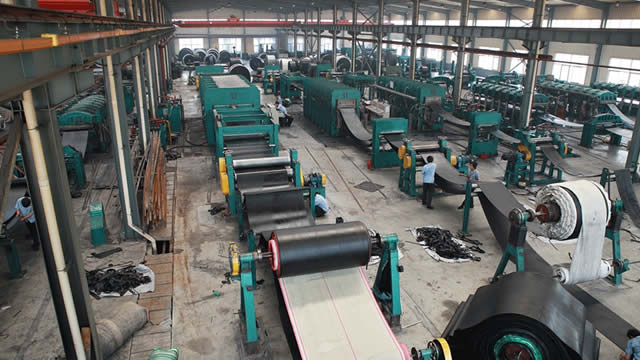
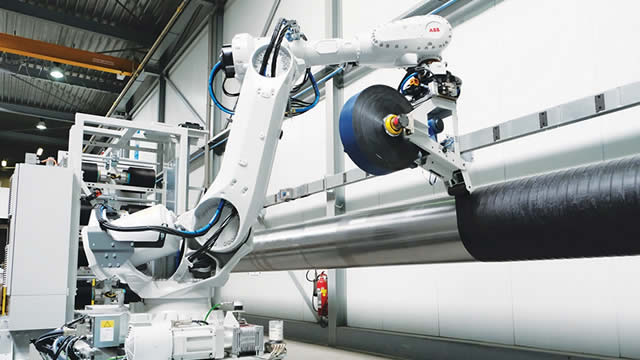
- Operational Cost Advantage (Manufacturing Execution): Scale in key processing steps and disciplined cost management support resilience across construction cycles.
Competitive benchmarking: The competitive set spans large roofing and building-material suppliers such as GAF, Sika, and Johns Manville. These competitors vary by strength—some lean more heavily toward roofing systems and distribution reach, while others emphasize chemical/applications expertise and broader construction-admixture or specialty portfolios. Carlisle’s positioning is comparatively focused on performance membranes and engineered specialty materials where specification behavior and installation compatibility are central to demand capture.
🚀 Multi-Year Growth Drivers
Over a 5–10 year horizon, growth is supported by structural demand in building envelope efficiency, replacement activity, and engineered applications tied to infrastructure and industrial needs:
- Roofing replacement and refurbishment: Non-residential roof systems experience recurring replacement due to aging assets, weather exposure, and lifecycle compliance requirements.
- Energy-efficiency and sustainability standards: Building codes and sustainability targets support higher performance insulation and envelope solutions.
- Commercial and industrial construction activity: Engineered building components benefit from discretionary infrastructure spending and long-lived commercial assets.
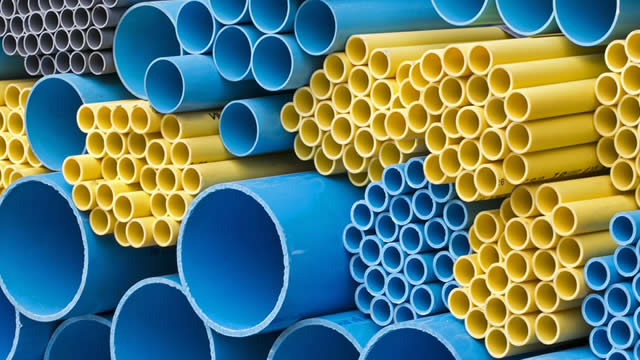
- Infrastructure and environmental containment applications: Engineered products used in industrial and infrastructure settings benefit from ongoing needs for durable containment and long service life.
- Share capture through product differentiation: Performance-led systems can win specifications when contractors seek reduced technical risk and predictable installation outcomes.
⚠ Risk Factors to Monitor
- Construction cyclicality: Roofing and building-related demand is linked to new construction and refurbishment volumes, which can soften in downturns.
- Input cost volatility: Resins, polymers, energy, and reinforcing materials can fluctuate, pressuring margins if pricing lags costs.
- Regulatory and code changes: Building code updates, warranty requirements, and certification frameworks can alter system economics and qualification timelines.
- Competitive pricing pressure: Larger peers with broader distribution or chemical portfolios can trade price for share during weaker demand periods.
- Execution and capacity risks: Manufacturing quality, lead times, and capacity utilization materially affect margins in an industrial model.
📊 Valuation & Market View
The market typically values Carlisle as an industrial specialty manufacturer using EV/EBITDA and earnings multiples that reflect expected cycle normalization. Valuation sensitivity is driven by:
- Durability of margins (mix, pricing power vs. input costs)
- Organic growth trajectory (replacement intensity and specification wins)
- Quality of earnings (cash conversion, working-capital discipline)
- Resilience across cycles (ability to maintain throughput and manage overhead)
When investors perceive strengthening specification momentum and margin stability, multiples tend to expand; when construction demand weakens or input costs pressure gross margin, valuation typically compresses.
🔍 Investment Takeaway
Carlisle’s investment case rests on specification-driven switching costs, an engineered product portfolio with a strong performance track record, and disciplined manufacturing execution that can support margin resilience through construction cycles. The long-term thesis favors a company positioned to benefit from recurring building envelope refurbishment and efficiency-driven system upgrades, while limiting customer churn through technical compatibility and qualification dynamics.
⚠ AI-generated — informational only. Validate using filings before investing.
















 Growth Catalysts