Constellium SE

Constellium SE (CSTM) Market Cap

Constellium SE has a market capitalization of $4.08B.

Financials based on reported quarter end 2025-12-31

Price: $29.96

-0.32 (-1.06%)

Market Cap: 4.08B

NYSE · time unavailable

CEO: Ingrid Joerg

Sector: Basic Materials

Industry: Aluminum

IPO Date: 2013-05-23

Website: https://www.constellium.com

Constellium SE (CSTM) - Company Information

Market Cap: 4.08B · Sector: Basic Materials

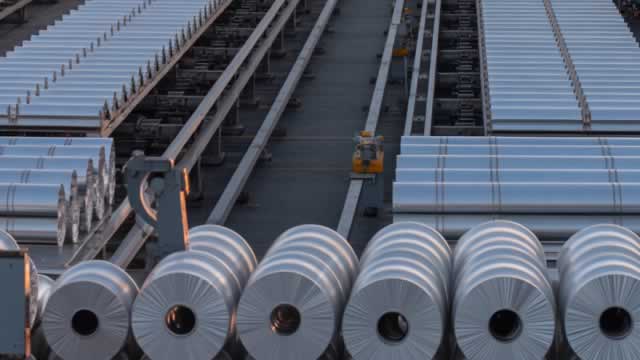
Constellium SE, together with its subsidiaries, engages in the design, manufacture, and sale of specialty rolled and extruded aluminum products for the packaging, aerospace, and automotive end-markets. The company operates through three segments: Packaging & Automotive Rolled Products, Aerospace & Transportation, and Automotive Structures & Industry. The Packaging & Automotive Rolled Products segment produces rolled aluminum products, including can stock and closure stock for the beverage and food industry, as well as foil stock for the flexible packaging market. It also supplies automotive body sheets and heat exchangers for the automotive market; and specialty reflective sheets. The Aerospace & Transportation segment provides rolled aluminum products, including aerospace plates, sheets, and extrusions; and aerospace wing skins, as well as plates and sheets for use in transportation, industry, and defense applications. The Automotive Structures & Industry segment offers extruded products and technologically advanced structures for the automotive industry, including crash-management systems, body structures, side impact beams, and battery enclosures; and hard and soft alloy extruded profiles for various industry applications in the automotive, engineering, rail, and other transportation end markets. This segment also provides downstream technology and services, which include pre-machining, surface treatment, research and development, and technical support services. The company sells its products directly or through distributors in France, Germany, the Czech Republic, the United Kingdom, Switzerland, and the United States, as well as Shanghai, and Seoul. Constellium SE was incorporated in 2010 and is headquartered in Paris, France.

Analyst Sentiment

79%
Strong Buy

Based on 17 ratings

Analyst 1Y Forecast: $29.14

Average target (based on 2 sources)

Consensus Price Target

Low

$29

Median

$32

High

$35

Average

$32

Potential Upside: 6.8%

Price & Moving Averages

Loading chart...

📘 Full Research Report

ℹ️

AI-Generated Research: This report is for informational purposes only.

📘 CONSTELLIUM SE CLASS A (CSTM) — Investment Overview

🧩 Business Model Overview

Constellium SE is a global leader in the design and manufacture of high-value aluminum products and solutions. Headquartered in France, the company serves a diversified set of industrial sectors, most notably aerospace, automotive, and packaging. Constellium orchestrates a vertically integrated business model, controlling key elements of the value chain from casting and rolling to fabrication and recycling. Its research-driven approach focuses on developing advanced alloys and lightweighting solutions that address the evolving requirements of its clients. The company's customer-centric orientation centers around strategic partnerships, long-term contracts, and seamless integration into customers’ production processes, aiming to secure recurring revenue and foster stability across market cycles.

💰 Revenue Streams & Monetisation Model

Constellium generates revenue through the manufacture and sale of a broad suite of aluminum products, such as plates, sheets, extrusions, and specialty products tailored to customer needs. Its monetization channels span three primary market segments: 1. **Aerospace & Transportation**: Supply of high-precision aluminum plates, extrusions, and specialty structures for aircraft, commercial vehicles, and rail. Clients in this segment value Constellium’s materials for their strength-to-weight ratio and durability. 2. **Automotive Structures & Industry**: Products focused on automotive body sheets, structural components, and crash management systems that support the global shift toward lightweight, energy-efficient vehicles, as well as aluminum solutions for broader industrial use. 3. **Packaging & Automotive Rolled Products**: Aluminum can sheets and closure products targeted at food and beverage packaging manufacturers. Packaging remains a resilient, high-volume business for the company. Revenue is primarily recognized upon the transfer of product control to customers, often under multi-year contracts or recurring ordering arrangements. The company also monetizes recycling operations, leveraging aluminum’s infinite recyclability to reduce costs and support sustainability objectives, increasingly demanded by both regulators and large clients.

🧠 Competitive Advantages & Market Positioning

Constellium maintains a robust competitive position built on a foundation of technological expertise, operational scale, and strategic relationships. Its key advantages include: - **Technical Leadership**: Deep R&D and engineering capabilities enable development of advanced alloys and proprietary processes, supporting performance-sensitive applications in aerospace and automotive. - **Supply Chain Integration**: The company’s extensive network of casting, rolling, extrusion, finishing, and recycling facilities enables efficiency, consistent product quality, and rapid response to shifting customer demand. - **Long-term Relationships**: Strategic partnerships with OEMs and Tier-1 suppliers in the aerospace and automotive sectors are supported by qualification barriers, technical collaboration, and co-development projects that entrench Constellium within customer supply chains. - **Sustainability Focus**: Industry-leading aluminum recycling and circularity solutions align with global trends toward decarbonization, conferring both cost and reputational advantages. Relative to competitors, Constellium’s differentiated product lines, geographic reach, and established market share in key verticals position the company as a vital supplier and innovation partner.

🚀 Multi-Year Growth Drivers

Constellium stands to benefit from several secular growth trends: - **Lightweighting in Mobility**: Increasing requirements for vehicle efficiency, electrification, and emission reductions spur demand for lightweight materials such as aluminum, particularly in automotive and aerospace applications. Constellium’s specialized solutions are aligned with manufacturer needs for safety, manufacturability, and sustainability. - **Packaging Demand and Sustainability**: The growing emphasis on recyclable packaging, especially in food and beverage sectors, supports steady demand for aluminum can stock. Regulatory and brand-driven shifts toward recycled content further reinforce this trend. - **Aerospace Recovery and Expansion**: Rising air traffic volumes and expanding aircraft fleets create a long runway for demand of high-performance aluminum structures, wings, and components. - **Recycling & Circular Economy**: Enhanced regulatory frameworks and customer-driven sustainability agendas encourage aluminum recycling. Constellium’s integrated recycling assets lower input costs and meet customer ESG requirements. - **Innovation in Alloys & Applications**: Continued investment in R&D fosters next-generation products for electric vehicles, high-speed rail, defense, and emerging technologies. These multi-year structural drivers set the stage for organic growth, margin expansion, and greater operating leverage as volumes scale.

⚠ Risk Factors to Monitor

Investors should vigilantly monitor several material risks inherent to Constellium’s business and sector: - **Commodity Price Volatility**: Fluctuations in raw aluminum prices can affect input costs and gross margins, though price adjustment clauses in contracts and hedging partially mitigate this risk. - **Cyclical End Markets**: Exposure to cyclical industries—namely automotive, aerospace, and packaging—means revenue can be susceptible to macroeconomic contraction, changes in consumer demand, or disruption in specific sectors. - **Customer Concentration & Contract Terms**: Dependency on large OEM customers and the prevalence of long-term contracts can result in high revenue concentration risk and margin pressure through price renegotiation or volume adjustments. - **Technological Disruption**: Substitution risk from emerging materials or alternative manufacturing technologies could impact the demand for aluminum in certain applications. - **ESG/Regulatory Compliance**: Evolving environmental, health, and safety regulations impose compliance costs. Any breach or lag in sustainability initiatives could hamper reputation, customer access, or operational continuity. - **Geopolitical and Supply Chain Risks**: Global operations expose Constellium to logistics bottlenecks, tariffs, and geopolitical tensions that could disrupt input sourcing or product delivery.

📊 Valuation & Market View

Constellium is broadly valued according to metrics typical for industrial materials and specialty manufacturing firms, including EV/EBITDA, Price/Earnings, and Price/Book ratios. Its capital-intensive profile is balanced by the defensive characteristics of its packaging segment and the high barriers to entry in aerospace and automotive applications. Industry peers include Novelis, Arconic, and Kaiser Aluminum. Market assessments often incorporate the company's long-term contracts, R&D strategy, and secular industry tailwinds. Investors typically weigh Constellium's variable cyclicality, progress in margin expansion, and free cash flow generation when benchmarking against sector medians. A disciplined capital allocation approach — balancing growth investments with deleveraging and shareholder returns — acts as a key determinant of rewarding valuation multiples over time.

🔍 Investment Takeaway

Constellium SE Class A represents a focused play on the structural growth of aluminum applications across mobility, aerospace, and sustainable packaging. Its integrated operations, technology leadership, and embedded customer relationships position it favorably to capitalize on the secular megatrends driving demand for lightweight, recyclable materials. The company's exposure to cyclical end-markets and commodities is partially counterbalanced by recurring packaging revenues and continued expansion in recycling. Prudent risk management, robust innovation pipelines, and ongoing operational efficiency gains bolster the long-term investment case. Investors seeking exposure to the intersection of industrial innovation, sustainability, and mobility decarbonization may find Constellium a compelling portfolio addition, albeit with full consideration of industry cyclicality and input price volatility.

⚠ AI-generated — informational only. Validate using filings before investing.

Fundamentals Overview

Loading fundamentals overview...

📊 AI Financial Analysis

Powered by StockMarketInfo
Earnings Data: Q Ending 2025-12-31

"CSTM reported 1.11B revenue and 0.62 EPS in the latest quarter (2025-12-31), with net income of 83.8M. Versus the prior quarter (QoQ), revenue fell sharply from 2.17B to 1.11B (-48.9%), while net income was roughly flat (88.0M to 83.8M, -4.8%) and EPS held steady (0.62 vs. 0.62). YoY growth could not be calculated because the dataset does not include the same quarter last year (2024-12-31). Over the last four quarters, revenue peaked around 2.17B (2025-09-30) and then stepped down materially in 2025-12-31, but profitability improved: net margin increased to ~7.6% (83.8M/1.11B) versus ~4.1% in 2025-09-30. Cash flow quality looks stronger in the latest quarter: free cash flow turned up to 95.1M from 24.0M QoQ. The balance sheet appears more resilient, with equity rising to 970.7M (+12.5% QoQ) and net debt easing to 1.82B. Total shareholder returns are excellent: the stock is up 246.8% over 1Y with no dividend payments shown; buybacks are not provided. Analyst targets (32 consensus) imply modest upside versus the current price (29.58)."

Revenue Growth

Caution

QoQ revenue declined from 2.17B to 1.11B (-48.9%). YoY growth is not computable with the provided history (missing 2024-12-31).

Profitability

Good

Net income was steady QoQ (-4.8%) while revenue fell sharply, lifting net margin to ~7.6% (from ~4.1%). EPS was flat at 0.62.

Cash Flow Quality

Positive

Free cash flow improved to 95.1M in 2025-12-31 (from 24.0M in 2025-09-30). No dividends; buybacks not disclosed.

Leverage & Balance Sheet

Positive

Total equity increased to 970.7M (+12.5% QoQ). Net debt decreased to 1.82B (from ~2.01B), suggesting improving balance-sheet resilience.

Shareholder Returns

Excellent

Strong price momentum: +246.8% 1Y. No dividend yield shown; buybacks not provided, but capital appreciation alone is exceptional.

Analyst Sentiment & Valuation

Neutral

Consensus target is 32 vs. current price 29.58 (modest upside). Valuation looks reasonable with low reported P/E (e.g., ~5.95 in 2025-09-30) but fluctuates across quarters.

Disclaimer:This analysis is AI-generated for informational purposes only. Accuracy is not guaranteed and this does not constitute financial advice.

So What?: Management delivered a strong Q4/FY beat driven by volume growth and cost performance, but the Q&A reveals the true fragility lies in metal/recycling economics and automotive timing. Adjusted EBITDA surged to $280M in Q4 (+124% YoY) with a $67M noncash metal price lag; excluding lag it was still up sharply to $213M. For 2026, guidance calls for $780M–$820M of adjusted EBITDA excluding lag and FCF >$200M, but the scrap-spread answer is cautious: benefits should resemble Q4’s “$40M net metal impact” for at least Q1 because scrap consumption is contracted, then incremental benefits are expected to taper through the year as open volumes are secured. Automotive is similarly time-bound: North America structures benefit from a competitor’s rolled-product outage should cover Q1–H1 2026, while Europe remains weak with no recovery expected near term. Overall tone was confident on execution (“Vision 2028,” cost control), but analyst pressure centered on whether today’s favorable conditions persist—management’s answer: possibly, but dynamic and complex.

AI IconGrowth Catalysts

  • TID shipments up 41% YoY in Q4 (tailwind to A&T adjusted EBITDA)
  • Packaging shipments up 15% YoY in Q4; Muscle Shoals operational improvement contributing to costs and volume
  • Recovery in Valais after prior-year flood boosting shipments (TID and industry products) and volume in multiple segments
  • Aerospace and space/military demand described as generally healthy; steady aerospace shipments vs prior year
  • Benefit from a competitor U.S. rolled-product supply chain disruption (Q4 benefit; assumed to normalize to H1 2026)

Business Development

  • Aerospace capacity/capability expansion: third Airware casthouse at Issoire expected to start up by end of 2026 (ramps toward 2027)
  • Muscle Shoals operations cited repeatedly as the key execution/turnaround lever (both packaging and recycling economics)

AI IconFinancial Highlights

  • Q4 2025 shipments: 365,000 tons (+11% YoY). Revenue: $2.2B (+28% YoY) driven by higher volume and revenue/ton (including higher metal prices).
  • Q4 2025 adjusted EBITDA: $280M (+124% YoY), including a positive noncash metal price lag impact of $67M; excluding lag, adjusted EBITDA was $213M (+113% YoY).
  • Q4 2025 net income: $113M vs net loss of $47M in Q4 2024; free cash flow: $110M.
  • Q4 2025 shareholder return: $40M repurchased 2.4M shares.
  • Full-year 2025: shipments 1.5M tons (+4% YoY); revenue $8.4B (+15% YoY); net income $275M vs $60M in 2024.
  • Full-year adjusted EBITDA: $846M (+36% YoY) including +$126M noncash metal price lag; excluding lag: $720M vs $575M in 2024.
  • Full-year free cash flow: $178M; repurchased $115M (8.9M shares).
  • Guidance (2026): adjusted EBITDA ex noncash metal price lag $780M–$820M; free cash flow in excess of $200M.
  • Scrap spread embedded in 2026 guide: management expects recycling economics benefits similar to Q4 2025 for at least Q1 2026 due to fully contracted scrap consumption in Q1; incremental benefits expected to taper through the year (open volumes to be locked beyond Q1).
  • Q4 2025 PARP bridge context: net metal benefits (incl. European plants + Muscle Shoals) net impact called out as $40M, supporting assumption that benefits carry into at least Q1 2026.

AI IconCapital Funding

  • Q4 buyback: repurchased 2.4M shares for $40M.
  • FY 2025 buyback: repurchased 8.9M shares for $115M.
  • Remaining authorization: ~$106M remaining on existing repurchase program intended to be completed using 2025-generated free cash flow (per management).
  • Net debt: $1.8B at end of Q4; +~$50M vs end of 2024 driven largely by USD translation impact.
  • Leverage: 2.5x at year-end 2025 (upper end of target range). Target leverage range: 1.5x–2.5x; expects leverage to trend lower in 2026.
  • Liquidity: $866M at end of 2025; no ABL borrowings under Pan-U.S. facility; no bond maturities until 2028.

AI IconStrategy & Ops

  • Vision 2028 program announced to target operational efficiencies and cost reduction across businesses (explicitly positioned as a building block toward 2028 targets).
  • Operational efficiency focus areas (Vision 2028): asset reliability to improve throughput maximization; portfolio optimization and cross-qualification to optimize footprint across sites (not just a single plant); debottlenecking activities with limited embedded investment within the 2028 bridge.

AI IconMarket Outlook

  • A&T adjusted EBITDA per ton target raised to $1,300 (from $1,100 provided last year).
  • Commercial aerospace: record-level backlogs; demand steady; easing of aluminum destocking noted.
  • Packaging: expected growth to continue into 2026 with North America and Europe described as solid; recession resilient longer-term baseload (low to mid-single digit growth for North America and Europe).
  • Automotive: benefits from U.S. rolled-product disruption expected to continue into the first half of 2026; Europe remains weak with limited visibility.
  • Industrial/specialties: Europe expected to remain relatively weak in near term (even if markets have bottomed).

AI IconRisks & Headwinds

  • Recycling economics complexity: scrap spread impact depends on multiple interacting variables (aluminum price levels, scrap spreads, contracted scrap consumption levels, productivity/melt loss, scrap grade mix—not just UBCs).
  • Potential volatility/taper risk: management expects recycling benefits to taper as open volumes beyond Q1 are uncertain; expects to recoup prior-period losses but only if conditions hold.
  • Past headwinds quantified (context for risk): management referenced $15M–$20M quarterly headwind in 2024 tied to scrap spread contraction and challenges at Muscle Shoals; also headwind in early 2025 (described as extremely challenging 18 months from a metal profit perspective).
  • Automotive structures risk in North America: capacity constrained—only one continuous annealing line in the U.S. rolled product supply side; supply chain disruption benefits fade after H1 2026.
  • Europe automotive risk: increased Chinese competition and lowered BEV ambitions; European weakness persists with exposure to Section 232 auto tariffs dynamics.
  • Specialties Europe: near-term recovery not expected; still relatively weak.
  • Tariff risk remains fluid: management stated they do not see impact from potential downstream tariff relief based on current information; company previously emphasized progress on pass-throughs and other mitigation, with direct tariff exposure described as manageable and net positive at current policy levels.

Sentiment: MIXED

Note: This summary was synthesized by AI from the CSTM Q4 2025 earnings transcript. Financial data is complex; please verify all metrics against official SEC filings before making investment decisions.

Loading financial data and tables...
📁

SEC Filings (CSTM)

© 2026 Stock Market Info — Constellium SE (CSTM) Financial Profile