📘 IDEX CORP (IEX) — Investment Overview
🧩 Business Model Overview
IDEX CORP operates as a diversified industrial technology company across engineered components and systems used in safety-critical and process-intensive applications. The company typically participates in two connected parts of the value chain: (1) design/engineering and qualification of components into customer equipment (often under long acceptance cycles), and (2) supply of installed-base replenishment and aftermarket needs (filters, valves, pumps, metering parts, and related consumables depending on the platform).
A common business pattern across segments is “design-in” engineering: IDEX’s products are selected for specific performance requirements (accuracy, reliability, pressure/flow boundaries, chemical compatibility, safety compliance), which then creates an installed base that drives ongoing replacement and service demand. This structure reduces the likelihood of pure commodity price competition and supports a more durable order-to-customer relationship than standard industrial hardware.
💰 Revenue Streams & Monetisation Model
Revenue monetisation is driven by a blend of project/system sales and recurring aftermarket usage. While individual contracts can be transactional, many of IDEX’s product categories exhibit repeat buying dynamics due to replacement intervals, spares, and “same-platform” upgrades inside customer equipment.
Margin drivers generally include:
- Engineering content and application specificity: engineered pumps, valves, and components priced for performance outcomes rather than commodity specs.
- Installed-base economics: aftermarket parts tend to be less cyclical than the initial equipment spend and can sustain gross margin through mix.
- Operational leverage: manufacturing scale in niche platforms and cost discipline that supports profitability across industrial cycles.
🧠 Competitive Advantages & Market Positioning
IDEX’s core moat is primarily high switching costs combined with process/qualification barriers. Competitors can offer alternatives, but replacing qualified components in safety-relevant systems or precision dosing applications often involves re-validation, redesign, and downtime costs. This “re-design friction” supports customer stickiness once IDEX products are embedded.
The company also benefits from intangible assets in the form of product know-how, application engineering, and compliance-related manufacturing discipline. These assets raise the practical barrier to entry for new entrants attempting to match reliability, materials compatibility, and long-term performance.
- Switching-cost moat: design-in qualification, ongoing compatibility requirements, and spare-part continuity.
- Reliability and safety qualification: performance verification and compliance expectations that favor established suppliers.
- Portfolio diversification: exposure to multiple niche end markets rather than a single industrial cycle.
Competitive benchmarking (examples):
- Graco (fluid handling and metering systems): focuses heavily on industrial fluid transfer and precision dosing. IDEX often competes more in specialized platforms with deeper niche customization and installed-base-driven replenishment patterns across multiple end markets.
- Parker Hannifin (industrial motion and fluid power): broad portfolio and scale. IDEX’s positioning tends to emphasize application-specific engineered components and qualification dynamics that can make procurement choices less “catalog-driven.”
- Johnson Controls (fire and building technologies): strong position in fire detection/control ecosystems. IDEX’s focus includes engineered fire-safety components and systems where performance qualification and reliability expectations create supplier continuity.
Overall, IDEX’s strategy contrasts with broader diversified industrial peers by leaning into engineered niches where performance qualification and compatibility requirements materially affect customer switching behavior.
🚀 Multi-Year Growth Drivers
Over a 5–10 year horizon, growth is supported by structural demand trends that increase the need for precision, reliability, and safety compliance:
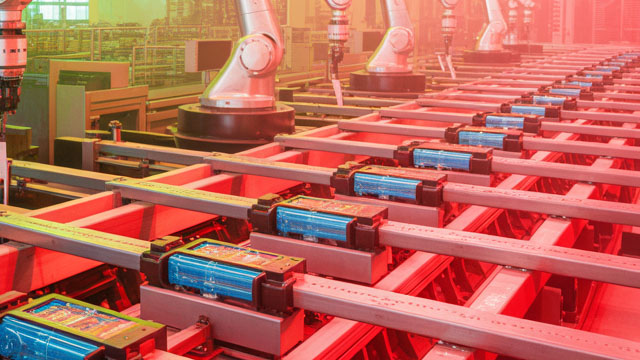
- Process intensification and automation: greater deployment of automated dosing, fluid handling, and control systems in industrial production increases demand for accurate metering and durable components.
- Biopharma and life-science expansion: scaling of biologics manufacturing and laboratory workflows supports continued procurement of precision fluid systems and compatible components.
- Safety and regulatory compliance tailwinds: fire-safety adoption and reinforcement in commercial and industrial facilities supports recurring replacement and upgrade cycles.
- Energy-efficiency and reliability-driven upgrades: customers increasingly prioritize operational uptime and maintenance predictability, benefiting suppliers with proven reliability and service parts.
TAM expansion is less about broad “market share fights” and more about embedding IDEX deeper into customer equipment architectures where qualification cycles and long asset lifetimes create durable replacement demand.
⚠ Risk Factors to Monitor
- Industrial end-market cyclicality: parts of the portfolio tied to capital equipment spending can face downturn pressure if customer budgets tighten.
- Qualification and program risk: new platform wins require engineering execution; delays or specification mismatches can slow design-in adoption.
- Competitive pricing pressure: established competitors with scale can pressure margins if customers shift procurement toward lowest-cost alternatives for certain applications.
- Supply chain and component constraints: engineered products depend on specific materials/components; disruptions can impact lead times and service levels.
- Regulatory and product liability exposure (fire and safety-related categories): compliance requirements and warranty/service obligations can introduce cost volatility.
- Acquisition integration execution: portfolio growth via acquisitions can create integration risks in manufacturing processes, procurement, and customer program continuity.
📊 Valuation & Market View
The market typically values industrial specialty platforms using EV/EBITDA and earnings durability metrics rather than pure revenue growth multiples. The valuation framework tends to place weight on:
- Margin stability and evidence of operating leverage across cycles.
- Cash conversion and working-capital management (especially during order and inventory fluctuations).
- Quality of revenue mix: higher installed-base/aftermarket share often commands a better multiple due to reduced cyclicality.
- Execution on new design-in programs and retention of qualified-supplier status.
Key valuation drivers are sustained profitability through engineered differentiation, credible aftermarket contribution, and successful integration that avoids dilution of margins and service levels.
🔍 Investment Takeaway
IDEX’s long-term investment case rests on engineered product platforms that embed into customer equipment architectures, creating high switching costs through qualification requirements and installed-base continuity. The company’s competitive positioning emphasizes reliability, compliance discipline, and application-specific performance—factors that are structurally more defensible than commodity-like industrial component supply. Upside potential is tied to continued design-in wins and aftermarket durability, while the principal risks relate to industrial cycle sensitivity, execution in engineering qualification, and integration discipline.
⚠ AI-generated — informational only. Validate using filings before investing.








 Growth Catalysts