
📘 KOLIBRI GLOBAL ENERGY INC (KGEI) — Investment Overview
🧩 Business Model Overview
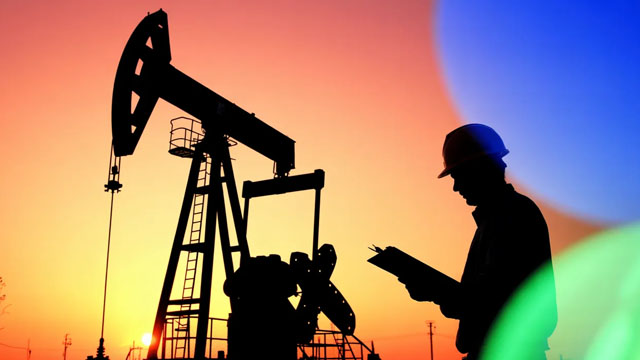
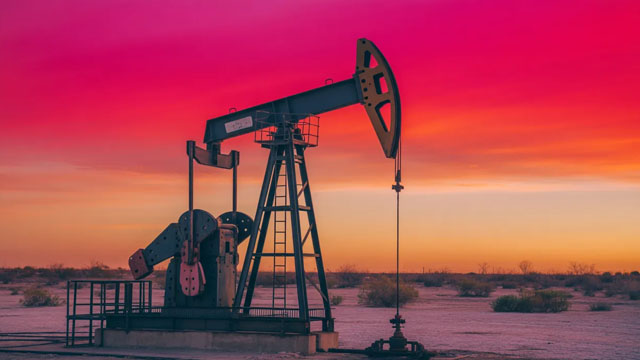
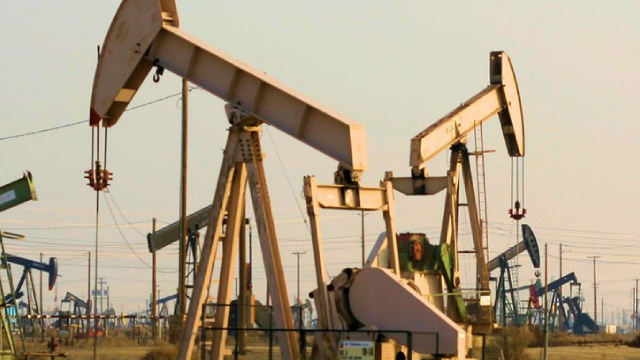
KOLIBRI GLOBAL ENERGY INC is an upstream-focused energy business that converts underground hydrocarbon resources into cash flow through exploration, development, and production operations. The core value chain is straightforward: (1) secure and manage drilling/production assets, (2) produce oil and/or natural gas (and associated liquids, where applicable), (3) monetize volumes through sales arrangements, and (4) fund ongoing drilling and maintenance to sustain production and reserve life.
Within upstream energy, profitability is driven less by “brand” and more by operational execution—well productivity, uptime, and the unit cost of bringing a barrel/cubic foot to market—plus the ability to access transportation and processing capacity. Where the company can rely on repeatable logistics and dependable offtake or takeaway routes, it tends to reduce basis/transport frictions versus peers with less integrated market access.
💰 Revenue Streams & Monetisation Model
Revenues are primarily derived from the sale of produced hydrocarbons. Monetisation is typically volume- and price-linked rather than contract-fee driven: pricing follows prevailing commodity benchmarks, with realized pricing influenced by location differentials, quality, and transport/processing charges.
Key margin drivers generally include:
- Realized price vs. benchmark: transportation access, basis differentials, and product quality characteristics.
- Operating cost (lifting/production costs): efficiency, labor and maintenance discipline, and field-level optimization.
- Midstream & transportation charges: exposure to fees for gathering, processing, and pipeline/terminal usage.
- Capital efficiency: the cost to add productive volumes through drilling and development, which determines how quickly the asset base compounds.
In most upstream models, revenue is not structurally recurring, but cash flow can become more durable when assets mature into a stable production base and when logistics arrangements are repeatable.
🧠 Competitive Advantages & Market Positioning
KGEI’s competitive positioning is best evaluated through an energy “cost and access” framework rather than software-style switching costs. The most relevant moats—when present—tend to be:
- Geographic cost advantage (where applicable): proximity to low-cost feedstock/resource quality and relative production economics versus higher-cost basins.
- Logistical infrastructure & takeaway connectivity: the ability to access gathering systems, processing capacity, and transportation routes reduces the risk of stranded production and basis discounts.
- Operational know-how: repeatable field execution can lower per-unit lifting costs and improve recovery factors, acting as a practical barrier to entry over time.
- Asset base depth: reserve quality and development runway can compound returns by enabling consistent drilling programs and reducing reliance on constant new leasing.
Competitive benchmarking: In oil & gas upstream, peers span both larger-cap operators and similarly scaled independents. Common reference competitors include:
- MEG Energy (Canada-heavy exposure, different geologic profile): competes on operational and logistics execution, often with heavier infrastructure and distinct cost structures.
- Canadian Natural Resources (scale leader): competes through scale advantages, procurement leverage, and capital market access—typically at lower unit costs.
- Paramount Resources (independent operator profile): competes on extracting economic volumes with disciplined capital programs and execution-focused development.
Compared with these rivals, KGEI’s differentiator (when it exists) is usually not breadth of assets, but the ability to achieve better unit economics through resource/field selection and practical logistics. Larger operators may have cost and capital advantages; therefore, KGEI’s edge is most defensible when its asset base and market access deliver competitive realized pricing net of transportation and operating costs.
🚀 Multi-Year Growth Drivers
Over a 5–10 year horizon, growth is generally driven by expanding or sustaining productive reserves and maintaining acceptable development economics. The most durable drivers typically include:
- Reserve replacement and development cadence: disciplined drilling to offset natural decline and avoid “production cliff” dynamics.
- Resource quality and recovery improvements: technology application, well design optimization, and operational learning curves that improve well productivity and ultimate recoveries.
- Infrastructure-enabled market access: securing processing and transportation capacity to protect realized pricing and reduce volume curtailment risk.
- Capital allocation discipline: selecting projects that maintain acceptable breakeven economics across commodity cycles and preserving balance-sheet flexibility.
- Secular demand for hydrocarbons as transition fuel: natural gas and related products often benefit from power generation and industrial feedstock demand, supporting longer-run volume fundamentals (with pricing still commodity-linked).
⚠ Risk Factors to Monitor
- Commodity price volatility: cash flow and valuation remain sensitive to crude/oil, natural gas, and liquids pricing cycles.
- Operational and execution risk: drilling outcomes, well performance variability, downtime, and reservoir uncertainty can impair production and returns.
- Logistics and basis risk: exposure to transport/processing availability, fee changes, and regional basis differentials can reduce realized prices.
- Capital intensity and funding risk: upstream growth often requires ongoing capital; adverse market conditions can constrain development pace or increase dilution/financing costs.
- Regulatory and environmental constraints: emissions rules, water handling, flaring limits, and permitting can increase operating costs or slow activity.
- Counterparty/contract risk: if sales arrangements rely on specific offtakers or infrastructure providers, contract terms and performance become material.
📊 Valuation & Market View
Energy equities are typically valued on cash-flow potential and asset value rather than revenue growth alone. Common frameworks include:
- EV/EBITDA: used to relate enterprise value to operating cash generation, with commodity assumptions and cost structure being key sensitivities.
- Reserve-based valuation (asset-centric measures): market participants often look through to reserve quality, development runway, and risked net present value concepts.
- Production-and-cost multiple approaches: per-unit cash flow metrics (e.g., per barrel of oil equivalent economics) influenced by lifting costs, transportation, and capital efficiency.
Key variables that typically move the valuation multiple include demonstrated cost control, sustained production/decline rate, credible reserve replacement, and balance-sheet resilience across commodity downcycles.
🔍 Investment Takeaway
KGEI is best understood as an upstream cash-flow compounder where long-term returns depend on maintaining economic production economics—specifically unit cost discipline and resilient market access through logistics and infrastructure—while funding development with capital efficiency. The investment case strengthens when the company can demonstrate repeatable execution that protects realized pricing and lowers per-unit costs relative to peers, enabling reserve replacement and production stability through the cycle.
⚠ AI-generated — informational only. Validate using filings before investing.














 Growth Catalysts