📘 MIDDLESEX WATER (MSEX) — Investment Overview
🧩 Business Model Overview
Middlesex Water operates as a regulated water utility, selling treated water and related services to customers within defined service territories. The value chain is capital-intensive and infrastructure-driven: source water is withdrawn, treated to meet safety standards, stored, and delivered through distribution systems. Revenue is structured around regulated tariffs that allow the utility to recover operating costs and earn a return on invested capital (rate base), subject to regulatory review.
Customer stickiness is high because switching is impractical: water service is constrained by local pipes and regulated service boundaries. The business therefore behaves like a utility “infrastructure franchise,” with demand that is relatively non-discretionary and reliability-focused.
💰 Revenue Streams & Monetisation Model
Revenue primarily consists of:
- Metered water sales (volume-based): billed usage tied to customer consumption.
- Regulatory-enabled recovery mechanisms (cost pass-throughs where permitted): certain categories of costs can be recovered through rates, reducing exposure to specific input cost swings.
- Ancillary services: typically includes fire protection and other customer or system-related charges, varying by jurisdiction.
Monetisation is driven by rate base growth (new and replacement infrastructure) and by regulators’ approval of operating cost recovery. Margin durability depends less on pricing power in the consumer sense and more on the ability to translate prudent capital spending and efficient operations into approved earnings.
🧠 Competitive Advantages & Market Positioning
Middlesex Water’s moat is fundamentally structural: high switching costs plus regulatory and franchise protections that make it difficult for new entrants to replicate service territories and network assets.
- Switching Costs (Hard to Exit): water delivery is physically constrained by distribution networks and regulated service boundaries. Customers cannot “choose another provider” without building alternative systems.
- Regulatory Moat / Franchise Rights: operating authority is granted by regulators and embedded in jurisdictional approvals. Competitors face lengthy permitting, engineering, and regulatory processes.
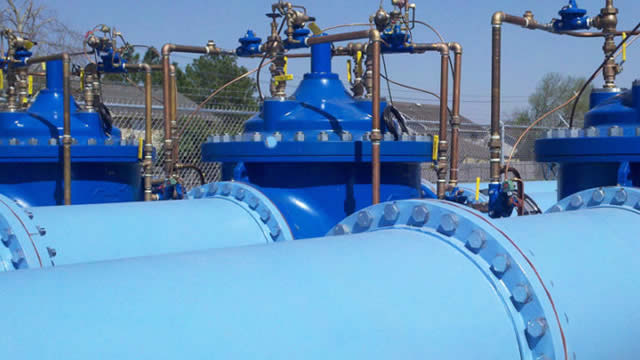
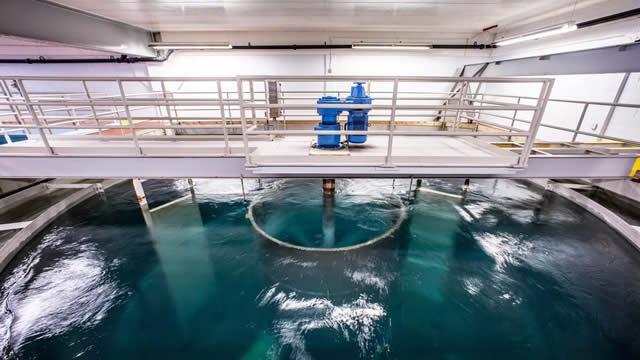
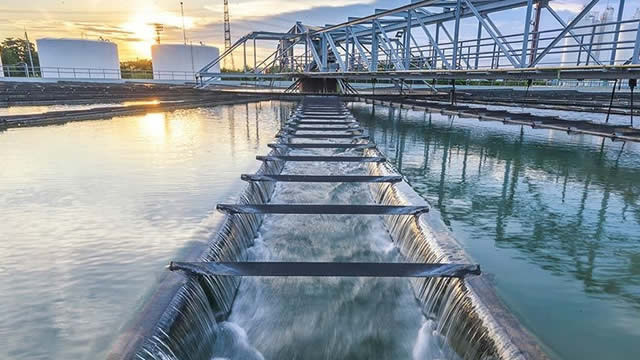
- Network & Asset Scale: treatment and distribution systems create a local infrastructure platform. Once sunk, these assets lower unit costs and support service reliability.
- Operational Learning & System Expertise: utilities build capabilities around water quality compliance, asset maintenance cycles, and demand forecasting—competence that is not easily replicated on short timelines.
Competitive benchmarking:
- American Water (AWK): larger, more diversified U.S. water utility with broader geographic footprint; competes for management focus on regulated outcomes and capital discipline.
- Aqua America (WTRG): significant regulated presence and acquisition activity; competes similarly for prudent infrastructure investment and regulatory approvals.
- Essential Utilities (WTRG): wastewater and water services with different regulatory dynamics, but overlapping themes in regulated utility execution and rate case approvals.
Middlesex Water’s positioning emphasizes jurisdiction-specific service territories and infrastructure execution within its footprint rather than a national scale model. The competitive contest is therefore less about product differentiation and more about regulatory outcomes, capital efficiency, and operating reliability.
🚀 Multi-Year Growth Drivers
Over a 5–10 year horizon, growth is primarily tied to infrastructure and regulatory-defined needs rather than marketing-led demand. Key drivers include:
- Infrastructure replacement and modernization: aging mains, storage, and treatment assets require continuous capital spending. Rate base investment converts this necessity into earnings potential when regulators approve prudent costs.
- Water quality and environmental compliance: tightening standards and monitoring requirements increase total system spend (treatment upgrades, testing, and system resiliency).
- Service area expansion and acquisitions: consolidation within fragmented local water markets can broaden rate base, though execution quality and regulatory approval remain decisive.
- Demand stability with gradual structural uplift: population growth and baseline consumption support volume, while effective system planning helps manage peak and seasonal variability.
- Resilience and reliability investments: projects designed to reduce outages and improve pressure/service quality protect franchise value and support regulatory compliance.
The long-term TAM is best viewed through the lens of regulated rate base needs—the utility’s pathway to compounding earnings is the sustained conversion of necessary capital spending into approved returns.
⚠ Risk Factors to Monitor
- Regulatory lag and rate case outcomes: utility earnings depend on timing and approvals. Delays in cost recovery or changes in allowed returns can pressure profitability.
- Capital intensity and execution risk: mis-scoped projects, cost inflation, or construction delays can raise the risk of under-earning versus forecasts.
- Interest rate and financing conditions: cost of capital affects the economics of capital deployment and the pace of rate base growth.
- Operational and compliance risks: water quality incidents, treatment reliability issues, or non-compliance can lead to remediation costs and reputational/regulatory penalties.
- Source water and climate variability: drought conditions, changing hydrology, or contamination events can require additional treatment and supply diversification spending.
- O&M cost inflation: chemicals, energy, labor, and contractor costs can impact margins if not fully recovered through mechanisms.
📊 Valuation & Market View
The market typically values regulated utilities using frameworks that connect valuation to rate base growth, allowed returns, and dividend/earnings stability. Common analytical anchors include EV/EBITDA, P/B, and discounted cash flow approaches that emphasize:
- Visibility of future rate base additions (approved and planned capital programs)
- Regulatory credibility (track record of recovery for prudent costs)
- Capital discipline (construction and cost management)
- Interest rate sensitivity (impact on financing costs and rate design)
- Operating reliability (lower probability of regulatory or compliance-driven costs)
In this sector, “valuation upside/downside” generally maps to changes in expectations for how effectively capital spending becomes earnings, rather than to short-term demand volatility.
🔍 Investment Takeaway
Middlesex Water’s investment case rests on a durable regulated utility model with high switching costs, jurisdictional/regulatory barriers to entry, and a built-in pathway for compounding through infrastructure-driven rate base growth. The key to sustaining long-term returns is disciplined capital execution and favorable regulatory outcomes that translate prudent system investments into stable, approved economics.
⚠ AI-generated — informational only. Validate using filings before investing.