📘 MANITOWOC INC (MTW) — Investment Overview
🧩 Business Model Overview
MANITOWOC INC designs and manufactures lifting equipment and related services, with a focus on cranes and lifting solutions used in construction and industrial job sites. The operating model runs through two connected channels: (1) selling or delivering crane systems (and associated components) to customers, and (2) monetizing the installed base through aftermarket parts, service, and support.
Value is created by engineering reliability and uptime into complex assets that must perform safely under demanding site conditions. Customer purchasing decisions typically consider total cost of ownership (maintenance, downtime risk, and parts availability) rather than only upfront equipment price. This dynamic supports long-term customer relationships because cranes and lifting systems require ongoing service throughout their operating life.
💰 Revenue Streams & Monetisation Model
Revenue is primarily generated through:
- Equipment sales (cranes and lifting systems): largely transactional, influenced by construction and industrial capex cycles.
- Aftermarket and services: spare parts, maintenance support, inspections, and service-related offerings. These are typically more recurring and tend to be less sensitive to short-cycle project timing.
- Service infrastructure monetization: dealer and service network activities that support uptime and safety requirements for deployed fleets.
Margin drivers generally include (1) mix shift toward aftermarket/service, (2) manufacturing execution and procurement cost control, and (3) the ability to sustain pricing discipline during demand cycles. Because cranes have long installed lives, service and parts can provide ballast against the cyclicality embedded in equipment sales.
🧠 Competitive Advantages & Market Positioning
Primary moat: Switching costs via installed-base economics and service dependency. While customers can change suppliers for new equipment, crane fleets create ongoing obligations—parts sourcing, maintenance procedures, inspection requirements, and service documentation. A supplier that can offer timely parts, trained service support, and proven reliability reduces downtime and operational risk, which increases the cost (time and friction) of switching away from an incumbent installed base.
Secondary advantages:
- Service-network capability: lifting equipment performance depends on rapid maintenance and field support, favoring manufacturers with effective dealer and service coverage.
- Manufacturing and engineering know-how: cranes require high-quality components, testing, and safety-focused design, which can raise barriers for competitors attempting to move up the value chain.
Competitive benchmarking: Key global competitors include Tadano and Liebherr (broad crane platforms), and Terex (multiple lifting and construction equipment offerings). Compared with these rivals, MANITOWOC’s positioning emphasizes a crane and lifting-centric focus with a strong emphasis on supporting an installed base through services and parts—rather than relying only on equipment cycles. Some competitors may have broader portfolios or different product mixes (including more geographically concentrated strategies), but the structural advantage for MANITOWOC stems from maintaining customer uptime through service effectiveness and parts availability.
🚀 Multi-Year Growth Drivers
Over a 5–10 year horizon, growth prospects are supported by both volume expansion and share-of-lifecycle economics:
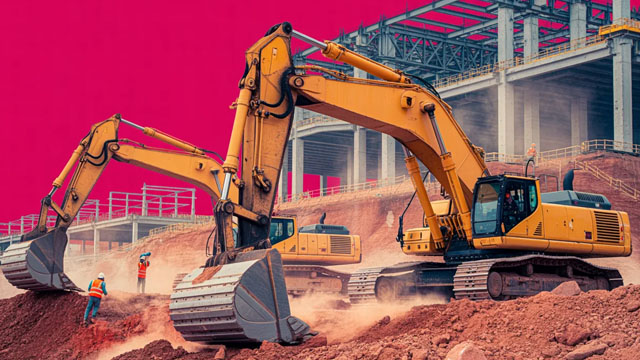
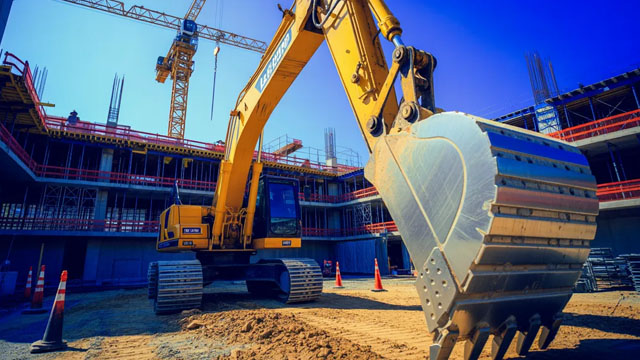
- Infrastructure and industrial capex: multi-year building, transportation, and industrial projects require cranes with high capacity and flexibility, supporting replacement and fleet modernization.
- Complexity-driven demand for premium lifting solutions: construction methods that require precision lifts and higher safety standards can increase the mix of advanced equipment.
- Aftermarket penetration: as fleets age, parts and service intensity typically rises, supporting a higher proportion of revenue from aftermarket activities.
- Operational uptime and safety requirements: regulatory and insurance-driven scrutiny increases the value of dependable maintenance schedules, inspections, and documented service performance.
TAM expansion is less about a one-time product cycle and more about lifecycle value capture: deployed cranes create a long runway for parts and service revenue, supporting more durable earnings power than equipment-only peers.
⚠ Risk Factors to Monitor
- Construction-cycle sensitivity: equipment demand is linked to construction activity and customer spending behavior; downturns can pressure order flow and pricing.
- Margin volatility from input costs: cranes are exposed to steel and component cost fluctuations and supply chain disruptions.
- Competitive pricing and mix pressure: competitors with scale or aggressive penetration strategies can compress spreads, particularly during demand troughs.
- Working capital and inventory management: manufacturing lead times and backlog dynamics can create inventory and cash-flow swings.
- Execution risk in service network scaling: service effectiveness is a moat; gaps in parts availability, technician coverage, or field responsiveness can weaken installed-base economics.
📊 Valuation & Market View
Industrial equipment manufacturers like MANITOWOC are typically valued using enterprise value frameworks such as EV/EBITDA and earnings power metrics, with the market placing meaningful weight on the cyclicality of equipment sales and the stabilizing role of aftermarket/service.
Key variables that move valuation expectations include:
- Aftermarket/service mix: higher service contribution can support resilience through downturns.
- Gross margin and operating leverage: improvements tied to manufacturing execution and procurement discipline can sustain returns.
- Backlog quality and conversion: durable demand signals matter more than raw order volume.
- Cash conversion: effective management of inventory and receivables supports equity returns.
🔍 Investment Takeaway
MANITOWOC’s long-term investment case rests on lifecycle economics rather than purely on equipment volume: cranes create an installed base that drives recurring aftermarket and service revenue, supporting switching costs through maintenance dependency and uptime-focused customer behavior. While the business remains exposed to construction and industrial cycles, the company’s crane-and-service focus, installed-base moats, and emphasis on field support provide a credible foundation for durable earnings power over a full cycle.
⚠ AI-generated — informational only. Validate using filings before investing.


















 Growth Catalysts