
📘 WORTHINGTON STEEL INC (WS) — Investment Overview
🧩 Business Model Overview
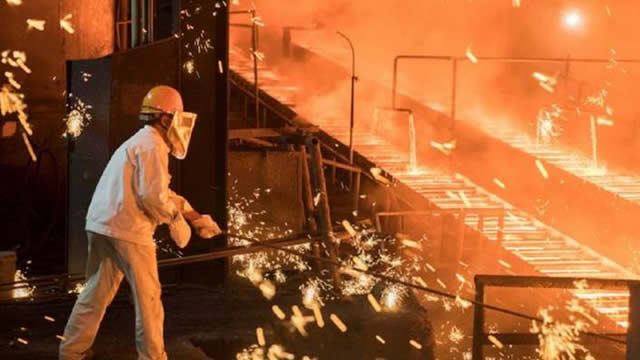
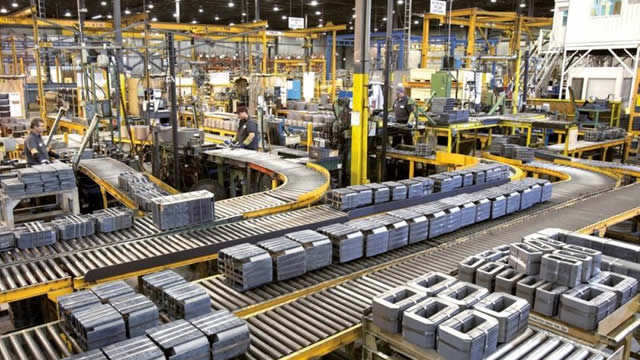
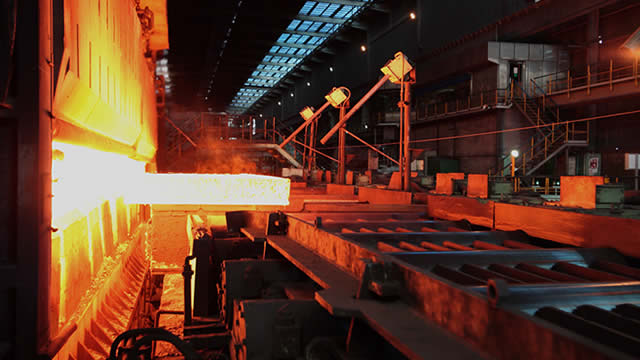
Worthington Steel operates in the steel value chain by converting raw steel inputs (typically sourced through a mix of scrap/ferrous inputs and purchased steel products) into higher-spec, customer-ready steel offerings used by industrial and energy-linked end markets. The economics depend on procurement discipline (input costs), plant/mill productivity (throughput, yields, and conversion costs), and execution in order fulfillment (service levels, quality conformity, and supply continuity).
Customer stickiness is reinforced through repeat ordering, product qualification, and standardized specifications. For buyers, switching suppliers can trigger requalification effort, changes to procurement qualification lists, and operational risk around material performance. That dynamic increases the value of stable production and consistent quality.
💰 Revenue Streams & Monetisation Model
Revenue is predominantly transactional and tied to order flow in steel and processed steel products, with margin driven by the relationship between realized selling prices and the cost of steel inputs plus conversion costs. While steel sales are not “recurring” like subscriptions, the business can exhibit quasi-repeat characteristics when customers maintain approved suppliers and consistent specification requirements.
Key margin drivers typically include:
- Input cost capture: alignment of purchase costs (scrap/steel) with selling prices.
- Operational leverage: plant utilization, yield management, and labor/energy efficiency.
- Product mix: higher-value grades/specifications generally carry better incremental margins.
- Logistics and fulfillment: freight, loading efficiency, and the ability to meet delivery windows reduce customer demurrage/penalty risk and protect pricing.
🧠 Competitive Advantages & Market Positioning
The moat in this industry is less about proprietary technology and more about cost discipline and execution plus qualification-based switching costs.
- Switching costs (quality + qualification): steel buyers often require approved suppliers and documented material compliance. Once qualified, customers prefer continuity to minimize revalidation and performance risk.
- Cost advantage through procurement and logistics: in North American steelmaking, the ability to secure competitively priced inputs and manage transportation/freight is a durable advantage, especially during volatility in commodity inputs.
- Operational know-how: throughput consistency, scrap/metal yield, and defect minimization improve unit economics across the cycle.
Competitive benchmarking: primary competitors include Nucor and Steel Dynamics (large North American steel producers with strong mini-mill economics) and Cleveland-Cliffs (a major iron-ore-based integrated producer). These rivals differ in structural cost position and product focus—large scale producers tend to compete more aggressively in broader commodity categories, whereas Worthington Steel’s positioning is typically anchored in supplying customer-qualified, ready-to-use steel products into industrial and energy-adjacent demand pockets where consistency, service, and spec adherence matter.
🚀 Multi-Year Growth Drivers
Over a 5–10 year horizon, growth is likely to be driven by a combination of end-market demand and structural sourcing advantages:
- U.S. and North American infrastructure and industrial capex: transportation, construction, and industrial equipment spending supports steel consumption, with preference for dependable suppliers.
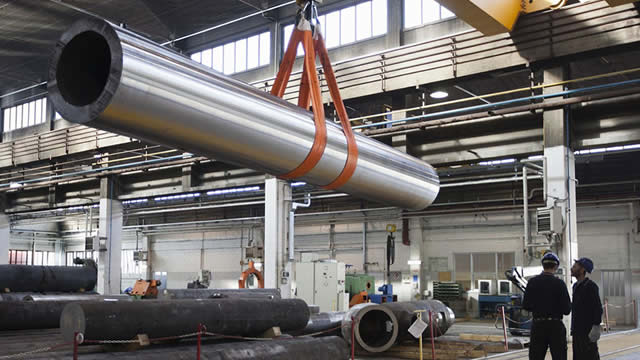
- Energy-linked demand for pressure/structural applications: maintenance, expansions, and replacement cycles in energy infrastructure support ongoing steel replacement needs.
- Specification complexity and grade mix: as industrial requirements tighten (strength, toughness, compliance), suppliers with execution capability and stable quality profiles can capture better pricing.
- Localized supply chain dynamics: logistics and lead-time constraints often favor regional capacity and qualified suppliers over distant alternatives.
- Input-cost resiliency from North American supply: broad access to ferrous feedstock (including scrap markets) and the ability to manage procurement timing can stabilize margins across the cycle.
⚠ Risk Factors to Monitor
- Cyclicality and pricing volatility: steel is highly sensitive to global capacity additions, demand swings, and steel spreads.
- Input cost swings: scrap/ferrous input pricing and energy costs can move faster than selling prices, pressuring margins.
- Capital intensity and operating leverage: maintenance capex, productivity upgrades, and working-capital needs can be demanding during downturns.
- Trade policy and protectionism: tariffs, import quotas, and anti-dumping actions can reshape competitive intensity and pricing.
- Execution risk: quality nonconformance, production disruptions, and slower turnaround times can increase customer churn risk.
📊 Valuation & Market View
Markets generally value steel producers on earnings power through the cycle rather than long-duration growth narratives. Sector valuation is commonly framed around EV/EBITDA (or similar cash-flow-based multiples), with the key variables being:
- Operating margins driven by spread between realized prices and input/conversion costs
- Utilization and productivity (capacity discipline, yield, and energy efficiency)
- Working capital intensity (inventory turns and receivables discipline)
- Downside protection from balance-sheet resilience and flexibility in capex
Because the industry cycle can dominate reported performance, the market’s “multiple” tends to rise when durability of margins is perceived and compress when volatility and capacity risks intensify. Analysts often focus less on point-in-time earnings and more on cost structure credibility, procurement advantage, and maintenance of product mix through the cycle.
🔍 Investment Takeaway
Worthington Steel’s long-term investment case centers on qualification-driven switching costs and cost/operational execution in a commodity-volatile industry. The structural strengths to underwrite include stable procurement discipline and logistic effectiveness for North American sourcing, paired with consistent quality and service that sustain repeat business. The primary debate is not whether steel demand fluctuates—it does—but whether management can preserve competitive unit economics and protect margins through input volatility and cyclical downswings.
⚠ AI-generated — informational only. Validate using filings before investing.
















 Growth Catalysts