
📘 ESSENTIAL UTILITIES INC (WTRG) — Investment Overview
🧩 Business Model Overview
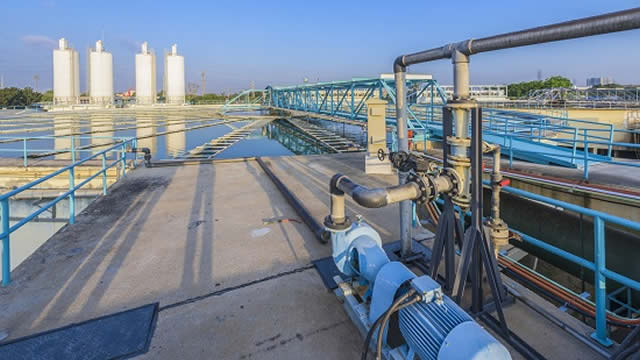
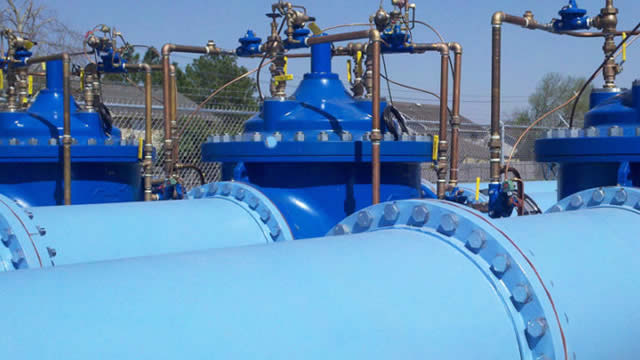
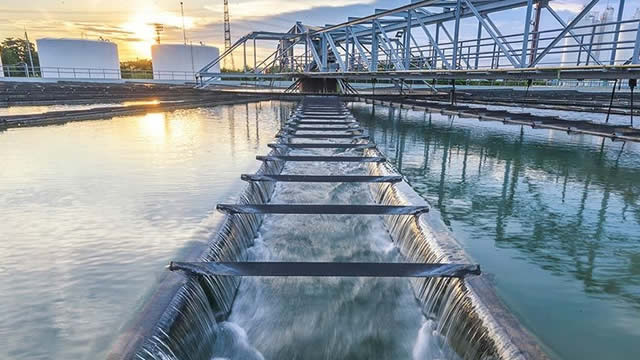
Essential Utilities operates regulated water and wastewater systems that collect, treat, and deliver essential services to residential, commercial, and industrial customers. The economic model is built around a rate base framework: the company invests in long-lived assets (pipelines, treatment plants, storage, distribution networks), then recovers a regulated return and operating costs through customer rates set by state regulators. Because service is geographically constrained and technically difficult to substitute, customers generally cannot switch providers, creating a stable demand profile tied to underlying water/wastewater needs.
💰 Revenue Streams & Monetisation Model
Revenue is predominantly recurring and regulated, with monetisation through tariff-based charges that recover:
- Operating costs (labor, chemicals, power, maintenance), typically subject to regulatory mechanisms and periodic review.
- Capital recovery via allowed returns on invested capital included in rate base.
- Regulatory adjustments for specific cost drivers (for example, inflationary components or compliance-related expenditures), depending on jurisdiction.
Margin drivers center on (1) the pace and quality of rate base growth, (2) operating efficiency and controllable costs (chemicals, energy, field labor), and (3) regulatory outcomes that determine the timing and level of recovery for both existing and newly placed assets. Transactional variability exists, but the core earnings engine remains recurring due to the essential nature of water and wastewater service.
🧠 Competitive Advantages & Market Positioning
The moat is primarily rooted in switching costs, regulatory/geographic franchise protection, and capital-intense infrastructure. These characteristics make it difficult for competitors to replicate service networks within the same territories.
- Switching Costs / Local Service Necessity: Customers cannot realistically replace a municipal- or utility-provided water/wastewater system with a competitor; the physical network and service obligations are fixed to the service area.
- Regulatory Moats: Service rights, permitted rates, and compliance oversight create administrative barriers. Earnings depend on maintaining regulatory credibility and executing capital programs that regulators accept into rate base.
- Economies of Scale in Operations: Larger, consolidated operating footprints support more efficient procurement, shared technical expertise, and optimized maintenance practices across systems.
Competitive benchmarking: Essential Utilities competes with other regulated water/wastewater utilities such as:
- American Water Works (AWK) — larger scale and broad geographic presence, often with a heavier emphasis on operational breadth and capital deployment.
- Aqua America (WTR) — regulated footprint with similar service economics and rate-base growth dynamics.
- California Water Service Group (CWT) — regulated water utility exposure with its own jurisdictional/regulatory characteristics.
Compared with these peers, Essential Utilities’ positioning emphasizes assembling and operating utility assets within a defined set of regulated jurisdictions. The competitive basis remains execution against regulatory and infrastructure requirements rather than aggressive customer acquisition or product differentiation.
🚀 Multi-Year Growth Drivers
Over a 5–10 year horizon, growth is driven less by demand creation and more by investment-led service expansion and compliance:
- Rate base growth: Ongoing replacement and expansion of aging water and wastewater infrastructure supports earnings growth as assets enter service and are incorporated into regulated returns.
- Regulatory and environmental compliance: Tightening water quality standards and wastewater discharge requirements increase the long-term capital program and the need for modern treatment and distribution systems.
- System integration and operational improvements: Acquisitions of smaller systems and consolidation initiatives can improve cost efficiency and reliability when integrated into existing management and operating practices.
- Demand durability: Water and wastewater consumption is relatively inelastic; population and economic activity create baseline volume stability, with the primary growth variable coming from asset deployment and rate setting.
⚠ Risk Factors to Monitor
- Regulatory lag and outcomes: Timing of rate cases and the treatment of specific costs in allowed returns can affect earnings cadence.
- Capital intensity and execution risk: Water and wastewater systems require continuous reinvestment; cost overruns, delays in construction, or underperformance of treatment/distribution assets can create regulatory friction.
- Environmental and water-quality risk: Compliance failures, infrastructure contamination events, or additional remediation requirements can raise costs and regulatory scrutiny.
- Climate and physical-system risk: Drought conditions, flooding, and extreme weather can strain supply reliability and increase operating and capital needs.
- Cost inflation: Energy, chemicals, and labor inputs can pressure margins if not adequately passed through under regulatory mechanisms.
- Customer affordability and credit: While demand is stable, utility revenue collection can be influenced by economic cycles and customer payment behavior.
📊 Valuation & Market View
The market typically values regulated water utilities through a framework that links enterprise value to cash generation and regulated earnings quality rather than through high-growth multiple models. Key valuation sensitivities generally include:
- Rate-base growth visibility (how reliably new assets earn an allowed return).
- Regulatory risk premium (jurisdictional differences in how costs and returns are determined).
- Stability of operating margins (ability to manage O&M and sustain service reliability).
- Capex timing and construction effectiveness (delays can postpone earning capacity).
- Capital structure and funding capacity (access to debt/equity markets and interest-rate sensitivity).
In this sector, valuation is typically supported by the durability of regulated cash flows, tempered by the degree of regulatory and execution risk embedded in the capital program.
🔍 Investment Takeaway
Essential Utilities represents a regulated utility investment anchored by geographic service exclusivity, customer switching constraints, and infrastructure-driven rate-base compounding. The long-term thesis rests on consistent capital deployment and operational execution within regulatory frameworks, enabling steady cash generation from essential water and wastewater services, with growth and valuation primarily determined by rate-setting outcomes and the reliability of infrastructure investment.
⚠ AI-generated — informational only. Validate using filings before investing.














 Growth Catalysts