
📘 YETI HOLDINGS INC (YETI) — Investment Overview
🧩 Business Model Overview
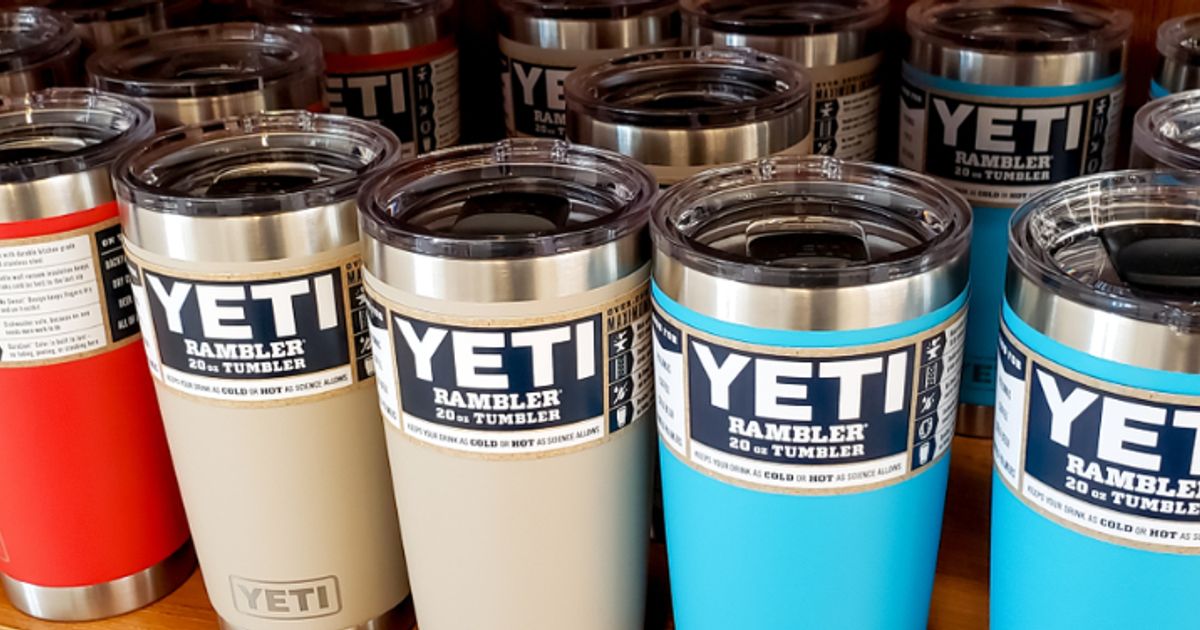
YETI designs and sells premium outdoor lifestyle products—primarily coolers, drinkware, and an expanding set of accessories (bags, mounting systems, and related items). The value chain centers on proprietary product engineering and materials selection, followed by global manufacturing and distribution through a mix of direct-to-consumer channels and wholesale/retail partners. Demand is driven by product performance attributes (temperature retention, durability, portability) and by consistent merchandising across an expanding installed base of households and outdoor users who repurchase complementary accessories.
While YETI is not a subscription or contract-based business, it supports an “ecosystem” effect: consumers often build a set (coolers + drinkware + compatible accessories), which increases the share of wallet within the outdoor premium category and creates repeat purchase pathways.
💰 Revenue Streams & Monetisation Model
Revenue is predominantly product sales, with monetisation driven by:
- Core categories: coolers and drinkware are the primary revenue engines, with bags and accessories acting as attach drivers.
- Channel mix: margins typically benefit from direct-to-consumer participation (pricing control, reduced retailer margin capture) versus wholesale/retail (volume and distribution breadth).
- Product mix and durability-related positioning: higher-end models and bundle/attachment strategies generally support higher gross margins than entry-level alternatives.
The business exhibits limited recurring revenue, but it can generate repeat purchasing through accessories, replacement cycles, and product line extensions that fit the same consumer use cases.
🧠 Competitive Advantages & Market Positioning
YETI’s moat is best characterized as a combination of Intangible Assets (premium product credibility and customer preference for rugged performance) and Moderate Switching Costs driven by an installed “system” of accessories and compatible use patterns.
- Intangible asset / premium engineering credibility: YETI’s reputation for durability and temperature performance supports sustained willingness to pay versus mass-market alternatives. Competing products may replicate individual features, but matching the perceived end-to-end performance and product consistency across a broad assortment is more difficult and requires years of design iteration, testing discipline, and consumer reinforcement.
- Installed-base and assortment depth: Once consumers own compatible items (coolers, drinkware, and accessories), purchases shift toward maintaining compatibility and matching the established look and performance expectations—creating a practical switching barrier even without formal contracts or subscriptions.
- Distribution execution and merchandising: YETI’s ability to secure shelf/placement and run consistent product presentation supports conversion and reduces “trial friction,” which is essential in a premium consumer durable category where brand preference is earned through perceived performance.
Competitive benchmarking:
- RTIC and Coleman compete primarily on price and broad availability, targeting mainstream consumers seeking functional coolers and drinkware.
- Igloo competes with established mass-market and mid-tier offerings, often emphasizing value and distribution scale.
- Pelican competes in rugged, performance-oriented categories with different channel dynamics and use-case emphasis.
YETI’s focus vs. rivals: YETI concentrates on premium outdoor lifestyle performance and a cohesive product system across coolers, drinkware, and accessories. Price-led competitors can undercut on initial purchase, but they typically face greater difficulty sustaining premium gross margin profiles across an expanding assortment without trade-down in perception.
🚀 Multi-Year Growth Drivers
- Premiumization in consumer durables: Ongoing migration from basic coolers and entry-level drinkware toward higher-performance, longer-life products supports category growth even when unit demand is stable.
- Use-case expansion and household penetration: Outdoor occasions (camping, tailgating, fishing, road trips) and everyday lifestyle use increase the addressable base, particularly as YETI extends beyond coolers into drinkware and accessory-heavy solutions.
- Accessory attach and ecosystem building: Continued expansion of compatible accessories and bundles can lift total customer value per active household by increasing attach rates.
- International distribution scale: Growth opportunities exist through deeper penetration with existing retail partners and the expansion of direct-to-consumer infrastructure in higher-income outdoor markets.
⚠ Risk Factors to Monitor
- Demand cyclicality and inventory risk: Consumer durables can face purchase timing shifts. Excess inventory or slower sell-through can pressure gross margins and increase promotional activity.
- Competitive intensity and price pressure: Premium competitors and price-led brands can expand assortment and promotional reach, potentially eroding pricing power and mix.
- Supply chain and cost inflation: Input costs (materials, logistics, energy) and contract manufacturing execution can affect margins; freight and foreign exchange movements can be a headwind.
- Warranty and product quality: Failures, recalls, or elevated warranty costs can damage brand credibility and raise operating expenses.
- Channel concentration: Wholesale partner performance and retail shelf space decisions can influence revenue stability, especially during demand slowdowns.
📊 Valuation & Market View
Markets often value YETI-like branded durable businesses using EV/EBITDA and P/S, with attention to gross margin durability, operating leverage, and reinvestment returns (new product development, brand merchandising, and channel expansion). The valuation framework typically prices:
- Quality of revenue: resilience of demand and mix shift toward higher-end products and accessories
- Margin sustainability: ability to defend premium pricing and manage input cost volatility
- Operating leverage: scaling fixed costs through stable marketing efficiency and distribution costs
Key valuation “drivers” are therefore operational: sustained gross margin discipline, inventory management, and continued conversion of customers from core categories into higher-value accessory ecosystems.
🔍 Investment Takeaway
YETI’s long-term case rests on a premium performance position that functions as an intangible-asset moat, reinforced by an installed-base ecosystem that supports accessory attach and repeat purchasing. The investment merits a focus on whether YETI can defend premium mix and margin discipline while managing inventory and competitive pricing pressure in a category that remains attractive but competitive.
⚠ AI-generated — informational only. Validate using filings before investing.



















 Growth Catalysts