
📘 BRUNSWICK CORP (BC) — Investment Overview
🧩 Business Model Overview
Brunswick is a manufacturer of branded leisure products with a service-and-parts footprint that follows installed equipment over time. The company’s value chain spans (1) designing and producing marine propulsion systems and boats, (2) distributing products through established dealer and partner networks, and (3) supporting that installed base with replacement parts, maintenance, and service-related channels. In fitness and bowling, Brunswick sells equipment into commercial and consumer channels and sustains demand through service, parts, and installed-equipment longevity. The economic profile is therefore a combination of new-unit manufacturing (cyclical, demand-driven) and after-sales monetisation (more resilient, tied to the existing fleet of machines and engines).
💰 Revenue Streams & Monetisation Model
Brunswick’s monetisation is primarily driven by:
- Marine new equipment sales (engines and boats): largely transactional, tied to end-market activity and consumer discretionary spending.
- After-sales parts and service: recurring economics derived from the installed base of engines, components, and marine systems. This segment benefits from customer reliance on compatible parts and trained service capacity.
- Fitness equipment sales (commercial and residential where applicable): transactional equipment revenue supported by parts and service.
- Bowling products: a mix of equipment and consumables-related dynamics, with some support from installed-system usage and replacement cycles.
Margin drivers typically include mix shift toward higher-margin parts/service, execution on product cycles and warranty discipline, and manufacturing cost control (materials, sourcing, and production efficiency). Working-capital discipline and channel inventory management matter because unit volumes can swing with leisure demand.
🧠 Competitive Advantages & Market Positioning
Brunswick’s moat is most visible in marine through switching costs and the durability of the installed base rather than pure brand advertising economics. Once an owner, fleet operator, or dealer ecosystem standardises on a propulsion/parts ecosystem, replacing an entire system is less frequent than servicing and replacing components.
- Switching costs / installed base lock-in: Replacement parts, service procedures, and dealer-trained support create friction in changing propulsion suppliers, supporting recurring after-sales demand.
- Dealer and service ecosystem: Distribution partners, service capability, and parts logistics compound over time and reduce effective customer search and downtime costs.
- Intangible assets (product engineering and platform integration): Engine/boat platform know-how, regulatory/technical compliance, and iterative design cycles raise the cost for competitors to match performance and reliability without disruptive product launches.
Competitive benchmarking (primary peers):
- Marine outboard/propulsion peers: Yamaha, Honda Marine, Suzuki (and other regional brands). These rivals compete vigorously in new sales, but Brunswick’s installed-base after-sales support tends to provide steadier economics once customers are embedded in a propulsion/parts ecosystem.
- Broader marine systems peers: Volvo Penta (inboard and sterndrive segments). Brunswick focuses heavily on the outboard/boat ecosystem through its propulsion/boat integration and dealer support network, whereas peers can be more concentrated in specific propulsion categories.
- Fitness equipment peers: Technogym and Johnson Health Tech (commercial and residential fitness segments). Competitors often differentiate through product positioning, but Brunswick’s installed base of equipment and service capability supports parts/service monetisation, which can blunt pure unit-cycle volatility.
🚀 Multi-Year Growth Drivers
Over a 5–10 year horizon, Brunswick’s growth framework is driven by a blend of installed-base expansion and end-market demand normalisation:
- Installed-base growth in marine: Even if unit volumes cycle, the long-lived nature of boating equipment supports a continuing expansion of the serviceable fleet, sustaining after-sales revenue.
- Complexity-driven after-sales demand: Technological improvements in engines, electronics, and emissions systems increase the value of specialised parts and service rather than commoditising maintenance.
- Commercial and institutional replacement cycles (fitness and select leisure categories): commercial operators typically operate equipment through multi-year cycles and refresh based on utilization and depreciation schedules, supporting recurring demand for service and replacement components.
- Geographic distribution and dealer penetration: Expanding distribution coverage and improving product availability can increase share of wallet within a region, particularly when competitors face channel fragmentation.
- Product platform depth: A diversified portfolio across engines/boats and across fitness/bowling categories can smooth demand dispersion and enable cross-learning in manufacturing processes and engineering discipline.
⚠ Risk Factors to Monitor
- Demand cyclicality: Marine and discretionary leisure spending can contract during economic slowdowns, pressuring new equipment sales and dealer inventory economics.
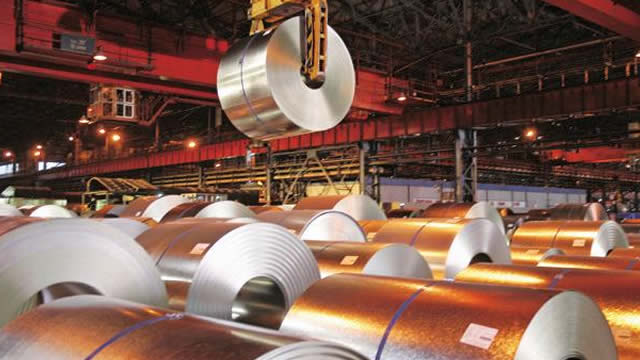
- Input cost and supply chain volatility: Steel, aluminum, electronics, and freight costs can affect gross margin if pass-through timing lags.
- Competitive pricing and promotional pressure: Competitors with strong financing or channel strategies can pressure pricing during downcycles, requiring Brunswick to defend volume without eroding margin permanently.
- Warranty and product quality risk: Engineering complexity and platform transitions can create margin drawdowns if failure rates increase or warranty cost expectations prove inaccurate.
- Regulatory and emissions standards: Compliance requirements for marine power and product qualification can raise development costs and extend time-to-market.
- Working-capital and channel inventory risk: Dealer order timing and channel destocking can translate into earnings volatility and cash flow pressure if production schedules are not aligned.
📊 Valuation & Market View
Markets typically value Brunswick-like industrial manufacturers using EV/EBITDA or earnings multiples, with emphasis on earnings durability and free cash flow conversion rather than purely asset values. Key variables that move valuation over time include:
- Mix toward after-sales parts/service (higher incremental margin and steadier earnings profile).
- Operating leverage and manufacturing efficiency during unit volume swings.
- Cash conversion quality (working-capital discipline, inventory management, and capex pacing).
- Credible outlook for end-market normalisation in marine and fitness, and stability in bowling-related demand.
Because the company participates in cyclical end markets, valuation compression or expansion often tracks how reliably the after-sales engine can offset volatility in new-unit sales.
🔍 Investment Takeaway
Brunswick’s long-term thesis rests on an installed-base model in marine that supports switching-cost-driven after-sales monetisation, reinforced by a durable dealer/service ecosystem and ongoing product platform investment. While new unit sales remain inherently cyclical, the company’s mix and installed equipment footprint can provide a steadier earnings foundation than a pure manufacturer, supporting resilient compounding if Brunswick maintains margin discipline, product quality, and channel management.
⚠ AI-generated — informational only. Validate using filings before investing.


















 Growth Catalysts