
📘 CRH PUBLIC LIMITED PLC (CRH) — Investment Overview
🧩 Business Model Overview
CRH produces and distributes construction materials used across the build cycle: aggregates (crushed stone, sand, gravel), cement and cementitious products, asphalt, and ready-mixed concrete, with related construction materials services. The business typically sources inputs from long-lived, permitted local assets (e.g., quarries and cement operations), then converts them into products at regional plants, and finally delivers them to contractors and infrastructure customers through extensive logistics networks.The “how it works” is location-driven: transportation costs and delivery reliability matter because many building materials are heavy, bulky, and time-sensitive. CRH’s value creation is therefore concentrated in operating near end-markets while controlling the cost base and maintaining supply continuity through integrated upstream assets (resources and plants) and downstream distribution.
💰 Revenue Streams & Monetisation Model
CRH monetises primarily through a largely transactional model tied to construction activity, with pricing and volume acting as the main levers:- Aggregates and asphalt: predominantly transactional sales, with margins influenced by regional pricing, plant/route utilization, and energy and haul costs.
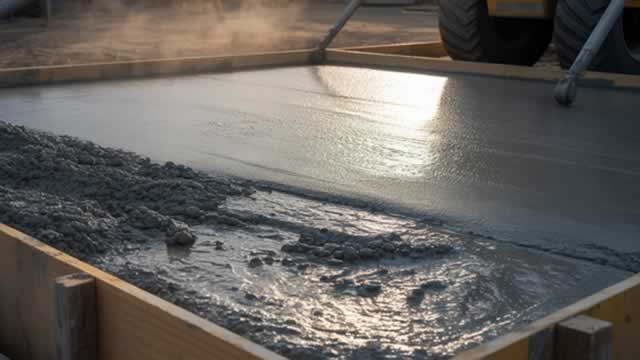
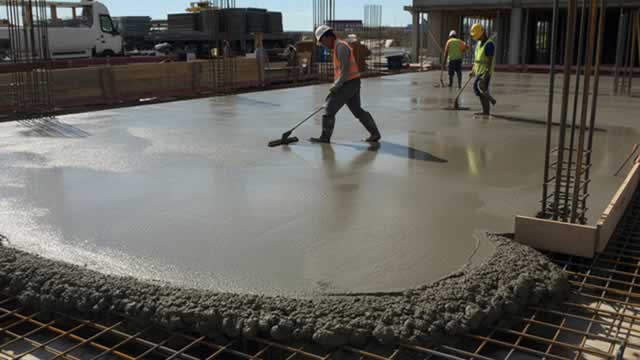
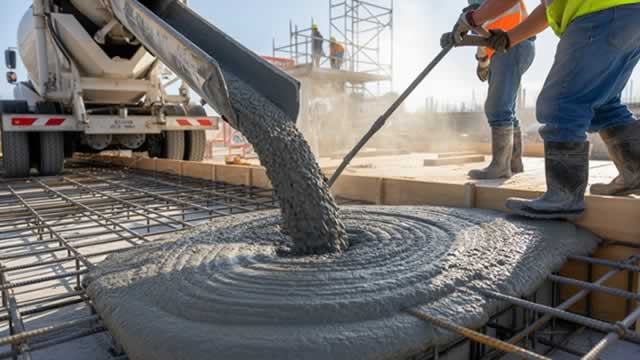
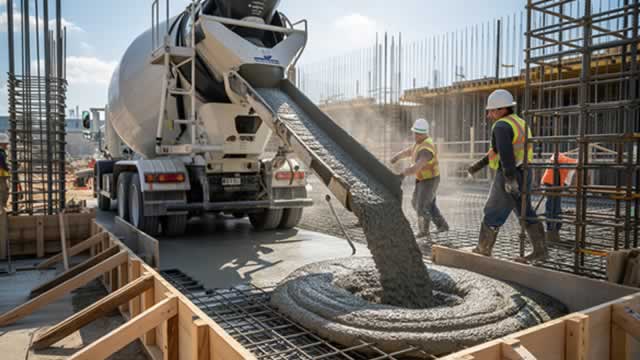
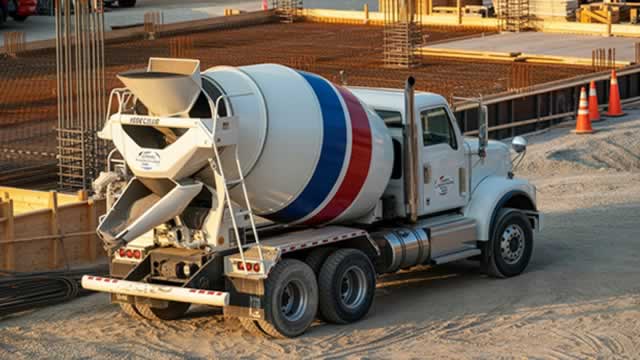
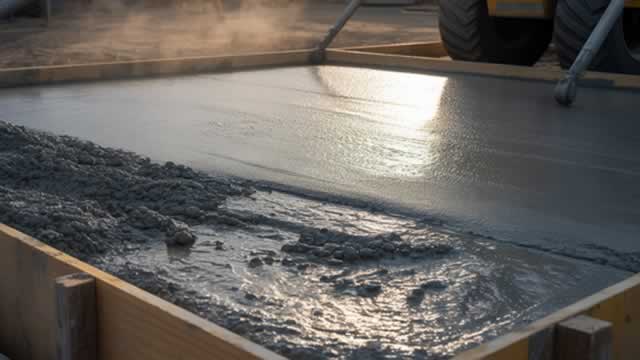
- Ready-mixed concrete and cementitious products: transactional sales supported by distribution coverage and mix optimization; competitiveness depends on delivery radius, customer service levels, and procurement efficiency.
- Services and related products: contributions from materials-handling, logistics, and construction-adjacent activities that typically benefit from longer customer relationships than commodity-only supply.
- Geographic cost advantage: shorter haul distances and proximity to demand reduce variable costs.
- Operational scale: higher utilization and asset productivity lower unit costs.
- Input and energy management: energy-intensive processes (notably cement) and asphalt binder costs can compress or expand margins depending on procurement and timing.
- Mix and product specialization: products with better technical performance and localized specifications can support more stable margins versus lowest-cost commodity supply.
🧠 Competitive Advantages & Market Positioning
Primary moat: Geographic cost advantage reinforced by logistics infrastructure and permitting-led scarcity. Competitors can replicate branded marketing more easily than they can replicate local supply chains for heavy materials. CRH’s assets—quarries, cement plants, concrete/asphalt plants, terminals, and distribution footprints—create a practical barrier through delivery radius economics, long permitting timelines, and the fixed nature of capacity once established.Why the moat holds:
- Switching costs (practical): contractors and infrastructure operators qualify suppliers on reliability, delivery schedules, compliance, and historic performance. Switching often involves downtime and specification re-approvals, raising friction beyond simple unit price comparisons.
- Logistical infrastructure: heavy-material delivery costs create localized markets. Firms with denser local networks and nearby production have a structural cost edge.
- Local permitted resources: access to high-quality aggregates and the ability to expand or replace reserves are constrained by regulation and community approval processes.
- Scale in procurement and operations: large purchasing volumes and operational know-how support cost discipline, even when pricing cycles tighten.
- Heidelberg Materials: Strong European cement and construction materials exposure with a heavy footprint in materials manufacturing; CRH typically blends scale in Europe with a substantial U.S. presence and a broader regional distribution network.
- LafargeHolcim (through legacy and ongoing group structure): Broad construction materials reach with cement and aggregates exposure; CRH’s differentiation often comes from local market density and the ability to convert upstream resources into downstream delivery coverage across regions.
- Cemex: Significant cement and ready-mix footprint with geographic diversification; CRH’s emphasis remains on regional logistics and localized supply chain strength, particularly across aggregates and asphalt segments.
🚀 Multi-Year Growth Drivers
Over a 5–10 year horizon, CRH’s growth outlook is best framed as a mix of cyclical end-market resilience and structural capacity and efficiency improvements:- Infrastructure and construction spending: Multi-year capital programs in transport, energy grid modernization, and housing support long-duration demand for aggregates, asphalt, and cementitious materials.
- Grid and energy transition buildout: While the energy transition spans multiple industries, it increases demand for foundations, civil works, and associated construction materials, benefiting heavy-material suppliers with local footprints.
- Replacement and maintenance cycles: Repair and rehabilitation of roads, bridges, and buildings provide demand continuity beyond new-build cycles.
- Margin expansion through operational excellence: Asset utilization, quality, plant optimization, and logistics routing improve unit economics through the cycle.
- Portfolio and capacity optimization: Redeploying capital toward higher-return assets, rationalizing underperforming capacity, and selective expansion in constrained local markets can support compounding performance.
- Potential demand uplift from low-carbon cementitious solutions: Technical and regulatory pressure increasingly rewards suppliers that can meet customer specifications for lower embodied carbon mixes, though the pace and economics vary by region.
⚠ Risk Factors to Monitor
- Construction cycle volatility: demand and pricing for heavy materials move with economic conditions; excess capacity can pressure margins.
- Energy and input cost exposure: cement and asphalt operations can face margin swings from energy, electricity, fuel, and binder-related costs.
- Permitting, environmental regulation, and carbon policy: compliance costs and limits on expanding quarries and plants can constrain growth and raise capex needs.
- Capital intensity and execution risk: maintaining and upgrading plants, logistics assets, and environmental controls requires steady investment; execution quality influences long-term returns.
- Competitive intensity and regional overbuild: where local demand is insufficient for existing capacity, pricing discipline may deteriorate.
📊 Valuation & Market View
CRH is typically valued using enterprise-value frameworks appropriate for cyclical, asset-intensive industrials. Market participants generally emphasize:- Cash generation and earnings quality: free cash flow conversion across the cycle and disciplined working capital management.
- EV/EBITDA and net leverage: build-material businesses often trade with consideration for cycle normalization and balance-sheet strength.
- Operational indicators: utilization, pricing versus input inflation, and regional margin durability.
- Capex and growth reinvestment returns: sustaining and expanding permitted, near-market capacity affects long-run earnings power.
🔍 Investment Takeaway
CRH’s long-term investment case rests on a durable geographic moat: proximity to construction demand enabled by permitted upstream resources, dense manufacturing footprints, and logistics-led delivery economics. Although end-market activity remains cyclical and energy/input costs can pressure margins, CRH’s localized supply chain advantages, practical customer switching friction, and scale-driven cost discipline provide a structurally defensible position versus regional commodity suppliers.⚠ AI-generated — informational only. Validate using filings before investing.












 Growth Catalysts