📘 LB FOSTER (FSTR) — Investment Overview
🧩 Business Model Overview
L.B. Foster designs and manufactures engineered components used in rail infrastructure and related industrial construction applications. The value chain centers on (1) technical design and specification support, (2) production of specialty metal and engineered rail-related products, and (3) delivery of customized parts through customer-approved channels (railroads, transit agencies, and contractors).A key feature of the business model is “qualification-and-repeat” selling: customers typically standardize on suppliers that meet performance specifications, warranty/quality requirements, and installation compatibility. That structure shifts demand from purely commodity purchasing toward approved-supplier relationships, with sales influenced by maintenance cycles, refurbishment programs, and infrastructure build-out.
💰 Revenue Streams & Monetisation Model
Revenue is primarily derived from:- Product sales (project and contract-driven): shipments of engineered rail and infrastructure components for capital projects and scheduled maintenance.
- Aftermarket / replacement parts: recurring elements that flow from the installed base and ongoing track maintenance activities.
- Fabrication and engineered solutions: higher value content tied to customization, engineering support, and compliance-driven specifications.
- Mix of engineered vs. standard products: engineered offerings generally command better gross margin through complexity and specification fit.
- Manufacturing utilization and operating leverage: fixed-cost absorption is sensitive to production volumes.
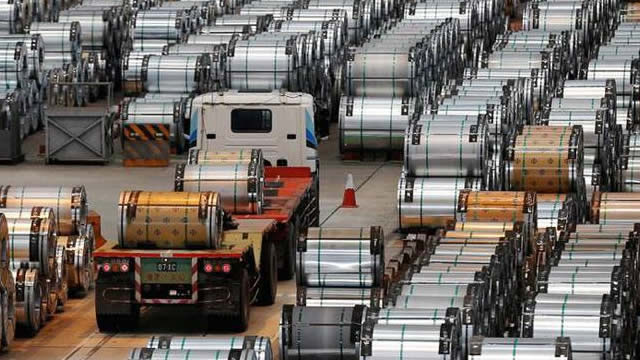
- Material pass-through discipline: steel and related inputs can pressure margins without effective pricing and supply-chain controls.
🧠 Competitive Advantages & Market Positioning
L.B. Foster’s moat is best characterized as a combination of high switching costs and process/qualification barriers.- Switching Costs (Qualification + Compatibility): rail components often require formal approval, documented performance history, and compatibility with existing track systems. Changing suppliers can trigger re-qualification, schedule risk, and engineering overhead for customers.
- Operational Expertise: precision manufacturing, quality systems, and field-proven performance reduce perceived technical risk for customers.
- Installed-Base Effects: replacement and spares flow from a track system’s installed components and maintenance routines.
- Amsted Rail (broad rail component exposure and infrastructure-related products)
- Pandrol (rail fastening systems and track component technologies)
- Vossloh (turnout and track systems engineering focus)
🚀 Multi-Year Growth Drivers
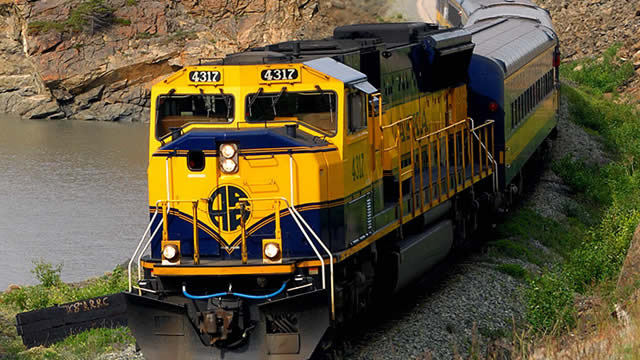
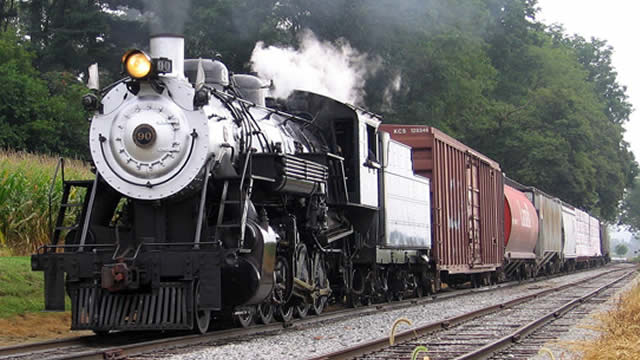
Over a multi-year horizon, growth prospects are supported by structural spending needs and modernization requirements:- Rail infrastructure renewal cycles: aging assets and safety-driven maintenance programs sustain aftermarket demand for track-related components.
- Capacity and network efficiency: rail operators and agencies prioritize reliability, uptime, and throughput, which supports ongoing refurbishment and replacement of critical track components.
- Infrastructure activity spillover: engineering construction programs can broaden demand for specialty fabricated components used in industrial and infrastructure settings.
- Operating discipline and mix improvement: the ability to sell higher-complexity solutions and manage input cost volatility can translate into more resilient margins through cycles.
⚠ Risk Factors to Monitor
Key structural and cyclical risks include:- Rail and construction capex cyclicality: demand for capital projects can fluctuate with budgets and macro conditions, affecting production volumes and utilization.
- Input-cost volatility: steel and related materials can pressure margins without effective pricing mechanisms, hedging practices, and contract pass-through terms.
- Execution and quality risk: engineered rail components face stringent performance expectations; quality issues can lead to warranty claims, rework, or lost approvals.
- Customer concentration and procurement processes: major customers may standardize suppliers or renegotiate terms, impacting pricing and volume.
- Competition from low-cost supply: qualifying competitors with scale manufacturing can compress margins if technical differentiation is not sustained.
📊 Valuation & Market View
Industrial specialty manufacturers like L.B. Foster are typically valued using EV/EBITDA and earnings-based multiples, with attention to:- Gross margin durability: mix, pricing discipline, and the ability to absorb fixed costs.
- Order/backlog quality and conversion: sustained shipments and productive execution reduce earnings volatility.
- Cycle sensitivity: investors discount when margins appear exposed to end-market downturns.
- Free cash flow generation: working-capital management and capex intensity influence the reliability of shareholder returns.
🔍 Investment Takeaway
L.B. Foster’s long-term investment case rests on a structural qualification-and-compatibility moat that produces customer stickiness in rail infrastructure components. Demand is anchored by ongoing renewal and maintenance requirements, while the company’s ability to compete on engineered fit, manufacturing quality, and approved-supplier status supports resilience through cycles—provided execution, pricing discipline, and input cost management remain consistent.⚠ AI-generated — informational only. Validate using filings before investing.












 Growth Catalysts