📘 GENERAL DYNAMICS CORP (GD) — Investment Overview
🧩 Business Model Overview
General Dynamics is a defense prime and defense-systems integrator operating across platform design, production, and long-duration sustainment. The value chain is anchored in (1) systems engineering and manufacturing, (2) platform integration across subsystems (e.g., land platforms, naval components, sensors, command-and-control, and mission systems), and (3) lifecycle services that keep fielded equipment operational through upgrades, repairs, and modernization.
Defense programs are typically awarded through competitive bidding and ongoing government procurement, but the company’s economics are reinforced by the “installed base.” Once equipment is fielded, sustainment contracts and upgrade pathways extend revenue visibility over many years. This creates meaningful customer stickiness with procurement cycles driven by military readiness and program schedules rather than consumer-style demand.
💰 Revenue Streams & Monetisation Model
Revenue generally combines:
- Production and program deliverables: transactional payments tied to manufacturing and system delivery milestones.
- Sustainment and mission services: recurring/contracted revenue tied to maintenance, upgrades, readiness support, and lifecycle modernization.
- Information technology and services: defense-oriented systems, cybersecurity, and mission support services that tend to include longer-term contracts and follow-on work.
Margin drivers typically include mix between production and sustainment, contract structure (cost-plus vs. fixed-price exposure), program execution discipline, and the ability to deliver upgrades efficiently on an installed base. Sustainment tends to be more repeatable than new-production ramps, improving earnings resilience when new-award timing fluctuates.
🧠 Competitive Advantages & Market Positioning
Core moat: Switching costs from deep integration and lifecycle entrenchment. GD’s customer relationships are supported by technical integration work, qualification processes, and the operational interdependence of platforms with mission systems, training, logistics, and maintenance workflows. Once systems are fielded and certified, replacing the prime ecosystem can require re-qualification, engineering rework, and operational disruption—raising the effective “cost of switching.”
Additional structural advantages:
- Lifecycle economics (installed-base sustainment): sustainment and modernization revenue streams extend beyond initial procurement.
- Intangible assets: program management know-how, systems engineering depth, and experience with defense qualification and security requirements.
- Scale in compliance and contracting: execution capabilities across multiple government customers and program types reduce execution risk versus smaller specialists.
Competitive benchmarking: Key peers include Lockheed Martin, Northrop Grumman, and RTX. These rivals also compete across defense electronics, platforms, and sustainment; however, their industry focus varies by segment and platform mix. GD’s positioning emphasizes integrated defense systems and lifecycle services across land and naval mission sets, along with defense IT/cyber capabilities—creating a blend of program manufacturing exposure and sustainment-driven continuity that can differ from peers more concentrated in specific platform categories.
🚀 Multi-Year Growth Drivers
Growth over a 5–10 year horizon is typically underpinned by defense modernization and sustainment needs, supported by:
- Fleet readiness and lifecycle modernization: maintaining operational capability and upgrading sensors, communications, and mission systems over time.
- Regime shift toward capability upgrades: procurement emphasizes modernization of existing platforms alongside new builds, increasing share of sustainment and upgrade work.
- Electronic warfare, cyber, and command-and-control evolution: defense IT and mission systems face persistent upgrade demand due to threat adaptation and technology refresh cycles.
- Program duration and backlog conversion: long-duration contracting and multi-year program schedules can provide visibility into future deliverables, subject to execution.
The TAM expands not only through new platform orders, but also through the recurring budgetary need to sustain and improve fielded systems—where GD’s installed-base and systems-integration capabilities can support share gains and follow-on work.
⚠ Risk Factors to Monitor
- Government budget and procurement timing: defense spending priorities can shift by administration, fiscal cycle, or geopolitical emphasis.
- Cost and schedule execution risk: fixed-price exposure, complex integration, supply-chain constraints, and labor constraints can pressure margins.
- Contract competitive dynamics: losing recompetes or bid cycles can alter the mix between production and sustainment over time.
- Regulatory and export controls: compliance requirements and export restrictions can affect program scope and international opportunities.
- Technology and threat evolution: failure to maintain relevance in cyber, sensors, or mission systems could slow sustainment upgrade momentum.
📊 Valuation & Market View
The market typically values defense primes using a combination of earnings power and cash-flow durability rather than purely growth-style metrics. Common valuation frameworks include EV/EBITDA and earnings-based multiples, with investor attention concentrated on:
- Backlog quality and conversion: how effectively contracted work turns into revenue and free cash flow.
- Margin durability: mix of sustainment vs. production, contract structure, and execution discipline.
- Return of capital and balance-sheet resilience: ability to sustain investment and manage working capital needs across program cycles.
- Competitive positioning: evidence of maintaining share in recompetes and winning follow-on upgrades.
In general, a “defense quality” premium tends to reflect perceived execution capability, contract structure favorability, and the installed-base sustainment profile that supports more stable earnings patterns than pure manufacturing-heavy businesses.
🔍 Investment Takeaway
General Dynamics presents a structural defense-services thesis: durable customer stickiness created by deep systems integration and lifecycle sustainment, supported by program execution experience and intangible assets tied to qualification, compliance, and operational readiness. The investment case centers on maintaining margin discipline through complex program cycles while benefiting from long-duration modernization and sustainment demand that extends beyond initial procurement.
⚠ AI-generated — informational only. Validate using filings before investing.
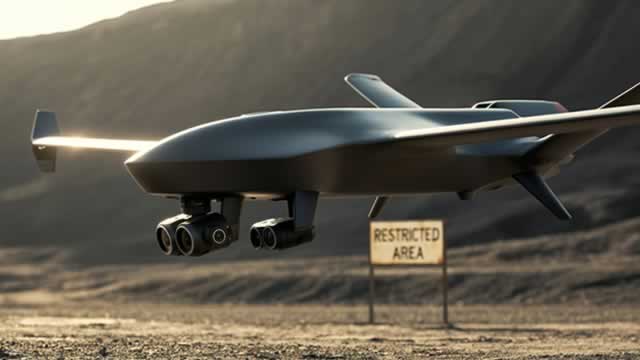



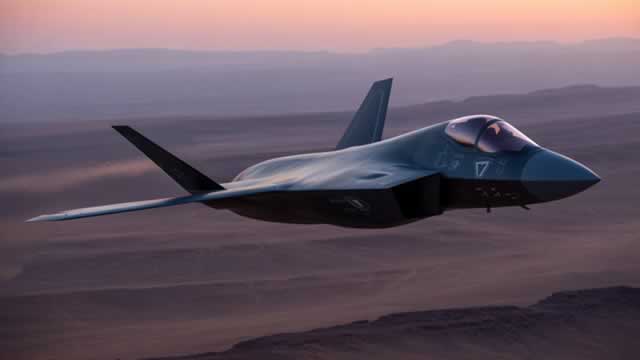






 Growth Catalysts