📘 JAKKS PACIFIC INC (JAKK) — Investment Overview
🧩 Business Model Overview
JAKKS PACIFIC is a brand-rights and product development company that converts entertainment IP into physical play products sold through mass retail, specialty, and online channels. The value chain centers on (1) licensing and brand access, (2) product design and development aligned to consumer expectations, (3) manufacturing execution through outsourced production and tight supply planning, and (4) distribution into retailer demand with a strong emphasis on seasonal sell-through.
Customer “stickiness” is primarily driven by retailer and platform reliance on reliable seasonal execution, SKU depth, and brand-introduced consumer pull. Once a given product line performs, repeat orders tend to follow predictable seasonal demand patterns, supported by established retailer relationships and manufacturing know-how.
💰 Revenue Streams & Monetisation Model
Monetisation is dominated by wholesale product sales, supplemented by licensing-related economics that can include royalties and brand-driven merchandising benefits. Profitability is shaped by gross margin variability from mix (higher-margin licensed assortments and differentiated formats), the cost discipline of sourcing/production, and working-capital efficiency driven by inventory planning.
- Transactional product revenue: bulk of sales from toy and related consumer products sold to retail/distribution partners.
- Licensing economics: ongoing payments/royalty structures tied to IP usage and unit sales (more “repeatable” than pure one-off product design, but still demand-driven).
- Margin drivers: product mix, markdowns/returns tied to forecast accuracy, and freight/production cost management.
The key lever is turning product innovation and licensed IP into sell-through without overcommitting inventory, since end-demand weakness can transmit quickly into write-downs and margin compression.
🧠 Competitive Advantages & Market Positioning
JAKKS’ moat is best characterized as a blend of Intangible Assets (licensed brand relationships and product-development capabilities) and Cost Advantages (operating model discipline and supply-chain execution that supports flexible sourcing and execution).
Why the moat can be “sticky” for competitors to break:
- Licensing barrier (intangible asset): access to entertainment franchises and the ability to translate brand properties into commercially viable products requires proven performance, creative capability, and established rights processes. This raises the effort and time required for new entrants to displace established partners.
- Execution and forecasting track record (operational advantage): toys are demand-and-seasonality sensitive. Retailers tend to maintain relationships with manufacturers/rights holders who consistently deliver in-stock assortments aligned with sell-through expectations.
- Scale in assortment and design iteration: competitors may have strengths in certain franchises or channels, but assembling breadth across themes, formats, and price points with reliable manufacturing execution is non-trivial.
Competitive benchmarking (primary peers):
- Mattel: broader ownership of marquee consumer brands and a different franchise mix. The competitive pressure for shelf space can be higher when Mattel’s internal brands align with consumer cycles.
- Hasbro: emphasis on major owned IP and large-scale publishing/brand platforms. Hasbro’s scale can pressure retailer terms and promotional intensity.
- Spin Master: strengths in specific entertainment-driven categories and durable characters. Spin Master’s channel execution can compete for the same seasonal “hero” assortments.
Contrast: JAKKS’ positioning tends to lean more toward licensed, theme-driven physical product development and seasonal play demand, whereas larger peers often combine owned IP, licensing, and broader portfolio strategies. The practical implication is that JAKKS’ competitiveness depends on securing and commercializing franchise rights effectively, while peers can rely more heavily on owned-brand economics.
🚀 Multi-Year Growth Drivers
- Entertainment-to-toys conversion (IP monetisation): franchise expansion across film, television, gaming, and animation continues to create a steady pipeline of character and theme content that can be translated into recurring seasonal products.
- Assortment and format innovation: category growth can be supported by improved product differentiation (e.g., collectible formats, role-play categories, and theme-based bundling) that deepens SKU depth and retailer shelf efficiency.
- Channel expansion and e-commerce mix: online retail broadens addressable reach for long-tail assortment; the growth opportunity depends on effective merchandising, fulfillment economics, and demand forecasting discipline.
- Global manufacturing and cost optimization: long-run gross margin durability can improve with continued sourcing leverage and supply-chain planning that reduces inventory risk.
Over a 5–10 year horizon, the fundamental TAM expansion for JAKKS is less about a rising number of toy buyers and more about the expansion of entertainment content monetisation, improved product translation into retail formats, and durable retailer execution.
⚠ Risk Factors to Monitor
- Licensing concentration and renewals: the value of the franchise pipeline can shift with rights renewals, contract economics, and franchise popularity.
- Inventory and forecasting risk: toy demand is seasonally and trend-dependent; overproduction can drive markdowns, returns, and working-capital stress.
- Retailer bargaining power: retailer consolidation and promotional intensity can compress margins through pricing pressure and less favorable terms.
- Consumer spending cyclicality: discretionary categories face demand swings during periods of macro pressure.
- Compliance and product safety costs: regulatory requirements and product quality expectations can increase cost per unit and create supply disruptions.
- Execution risk in new franchises/formats: product translation errors (wrong assortment, weak sell-through, or weak consumer resonance) can impair the economics of a licensing relationship.
📊 Valuation & Market View
The market typically values toy and consumer-rights product businesses through a combination of P/S and EV/EBITDA, with emphasis on near-term margin quality and working-capital discipline rather than purely on growth rates. Key valuation drivers include:
- Gross margin sustainability: mix of licensed assortments and freight/sourcing efficiency.
- Inventory control: markdown avoidance, sell-through consistency, and reduced net working-capital swings.
- Rights pipeline durability: the stability of licensing economics and the quality of franchise conversion into salable SKUs.
- Operating leverage: expense discipline relative to sales volatility.
A sustained rerating typically requires evidence of improved forecasting discipline, margin resilience through mix shifts, and consistent franchise monetisation outcomes.
🔍 Investment Takeaway
JAKKS PACIFIC’s long-term investment case rests on an intangible-asset driven moat from licensing relationships and product development, supported by operational execution that can manage the working-capital and margin swings inherent in seasonal toys. Upside is tied to continued entertainment-IP monetisation and disciplined inventory planning, while downside risk is concentrated in licensing dependence and forecasting errors.
⚠ AI-generated — informational only. Validate using filings before investing.


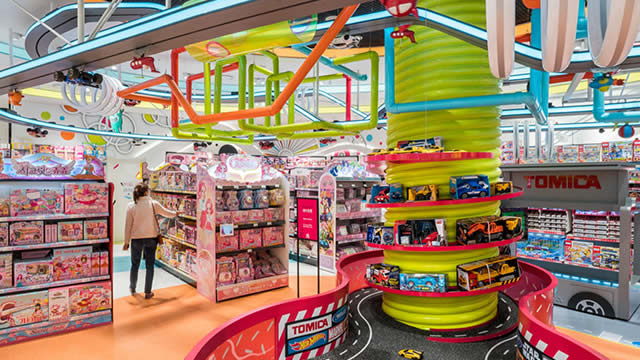



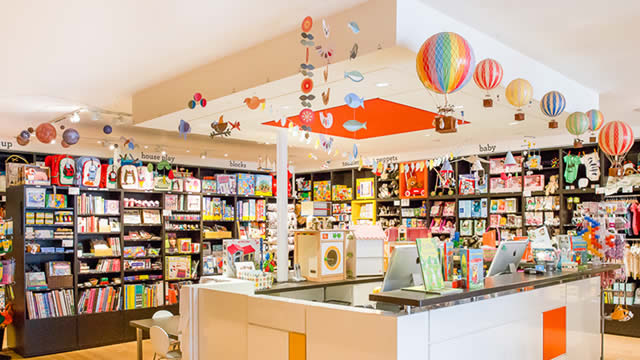
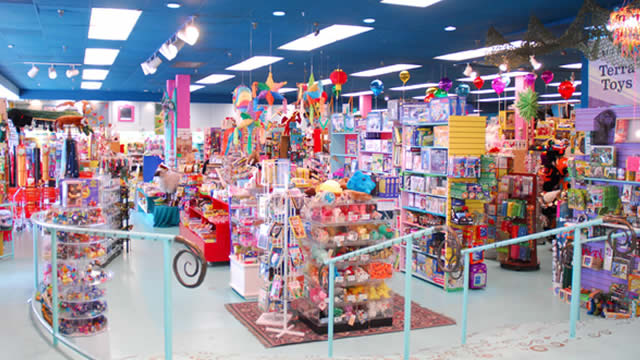











 Growth Catalysts