📘 KROGER (KR) — Investment Overview
🧩 Business Model Overview
Kroger operates a large-scale grocery value chain that converts purchasing power and logistics into everyday household demand. The company sources products across grocery, produce, dairy, and related categories, then distributes them through owned/contracted logistics networks to retail stores and customer fulfillment channels. Customer visits and loyalty program engagement drive repeat purchasing, while pharmacy and other services broaden trip frequency and basket depth. The operating model emphasizes scale-driven procurement, controlled shrink and spoilage, and efficient store labor deployment—supported by omnichannel fulfillment (store-based picking and delivery) and digital tools that reduce friction in repeat buying.
💰 Revenue Streams & Monetisation Model
Kroger’s monetisation is primarily transactional, but supported by recurring behavior through loyalty and services:
- Grocery and consumables: Core volume-driven revenue with gross margin management through mix, promotions discipline, and cost of goods optimization.
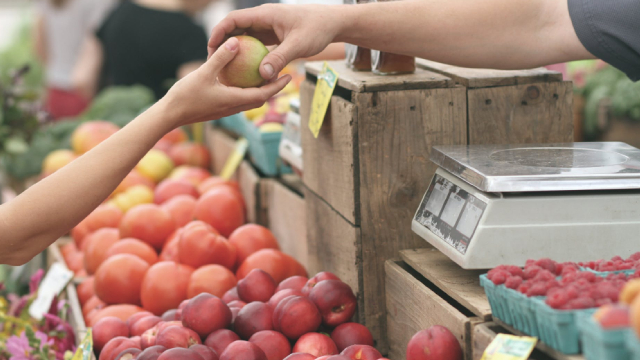
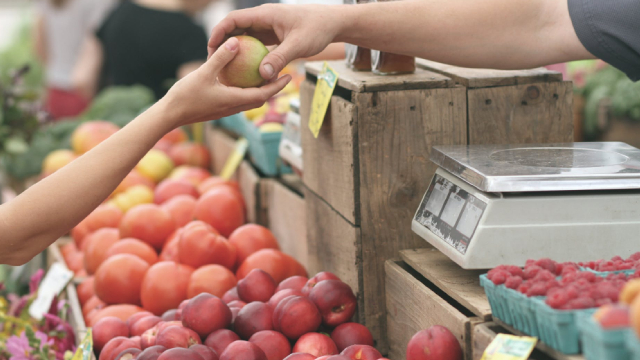
- Perishables (produce, meat, dairy): Margin is structurally impacted by shrink, waste, and procurement discipline; operational excellence can materially shift profitability.
- Pharmacy: A higher-value, service-oriented revenue stream that also supports store traffic. Profitability depends on reimbursement dynamics and formulary/channel mix.
- Fuel: A traffic-and-margin lever (often low margin but high attach), with earnings sensitivity to fuel cost spreads.
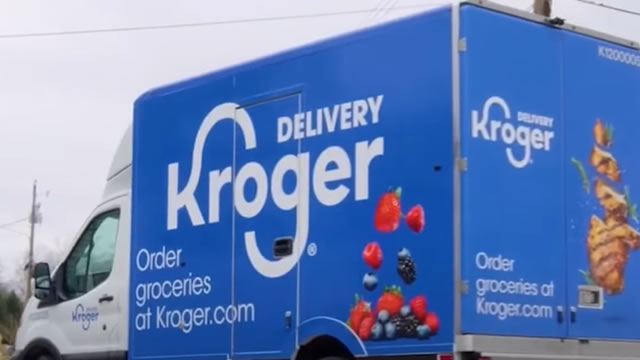
- Digital and omnichannel: Monetizes existing demand through delivery/pick services; margins depend on fulfillment productivity and density.
- Third-party/advertising and other services (where applicable): Incremental monetisation tied to consumer engagement and partner spend.
Margin drivers tend to cluster around (1) procurement and logistics cost per unit, (2) store-level productivity (labor and shrink), and (3) mix toward private label and services such as pharmacy.
🧠 Competitive Advantages & Market Positioning
Kroger competes in a highly price- and cost-sensitive retail category. The durable edge comes from scale economics and assortment control that are difficult to replicate quickly.
Moat thesis: Scale/distribution leverage plus private label resistance (and reinforcement from loyalty-enabled merchandising).
- Scale/Distribution leverage: Dense store networks and a logistics footprint create lower cost per case and improved inbound purchasing terms. Competitors can match retail pricing, but matching unit economics at scale is structurally harder.
- Private label resistance: Private label programs give Kroger a cost and margin management lever and help protect market share during promotional cycles. Customers accustomed to private label quality and value are less likely to fully switch competitors solely due to price changes.
- Loyalty-enabled merchandising: Frequent shopper behavior supports better demand forecasting, promo targeting, and assortment optimization—reducing markdowns and waste.
Competitive benchmarking (primary competitors):
- Walmart: Competes on national scale and aggressive everyday pricing, often with strong logistics efficiency. Kroger’s differentiation is tighter local grocery expertise, private label breadth in categories, and pharmacy/service depth.
- Target: Emphasizes general merchandise and promotional retailing more than grocery density. Kroger’s advantage is grocery frequency and perishables operations—areas where category specialization and shrink control are crucial.
- Albertsons (and broader regional grocers): Competes in similar demographics and categories. Kroger’s scale in procurement and logistics tends to support better cost leverage and promotional flexibility.
🚀 Multi-Year Growth Drivers
Growth over a 5–10 year horizon is less about new product cycles and more about sustained share gains and margin capture from structural trends:
- Omnichannel penetration: Continued customer shift toward pickup and delivery expands TAM for store-based fulfillment. The opportunity is to improve pick productivity, manage substitution quality, and raise order frequency among loyalty members.
- Private label and value assortment: Consumer demand for value provides a path for resilient volumes while supporting gross margin via mix and procurement efficiencies.
- Healthcare services expansion: Pharmacy and adjacent services can increase trip frequency and stabilize earnings relative to pure grocery exposure, subject to reimbursement and regulatory dynamics.
- Supply chain modernization: Investments that reduce labor intensity per order, improve forecasting, and tighten inventory control can convert fixed cost into variable performance benefits.
- Store productivity and footprint optimization: Remodeling, labor scheduling optimization, and format adjustments can improve productivity without requiring significant greenfield buildout.
⚠ Risk Factors to Monitor
- Margin pressure from competition: Grocery retail is structurally promotion- and price-competitive. Sustained price competition can compress gross margin and operating leverage.
- Labor and occupancy costs: Wage inflation and productivity shortfalls can weaken store-level profitability.
- Food price volatility and mix shifts: Commodity cost swings affect gross margin, particularly where pass-through is incomplete or shrink/waste rises.
- Regulatory and reimbursement changes: Pharmacy reimbursement and healthcare-related policy changes can impact service profitability; antitrust scrutiny can influence deal/operating outcomes in the grocery sector.
- Execution risk in omnichannel: Delivery economics and inventory accuracy can deteriorate if fulfillment density, staffing, or systems underperform.
- Capital intensity and financing conditions: Maintaining logistics, store refresh cycles, and technology capabilities requires ongoing investment; adverse credit/interest-rate environments can affect flexibility.
📊 Valuation & Market View
Equity markets typically frame large grocery retailers through earnings quality and free cash flow durability rather than high-growth expectations. Common valuation lenses include EV/EBITDA, P/E, and P/FCF, with P/S used less often for major value/scale retailers due to the importance of margin and cash conversion.
Key drivers that tend to move valuation include:
- Sustainable operating margin (procurement and shrink discipline, labor productivity, and mix toward private label/services).
- Cash conversion (inventory management and working capital efficiency).
- Omnichannel profitability trajectory (order growth balanced against fulfillment labor and logistics costs).
- Balance sheet and cash needs (maintenance capex, debt maturity profile, and pension/other obligations).
🔍 Investment Takeaway
Kroger’s long-term investment case rests on durable economics from scale-driven distribution advantages and private label/value positioning that help defend share and margins in a highly competitive grocery landscape. The pathway to multi-year value creation is to convert loyalty and omnichannel engagement into repeat purchasing while maintaining cost discipline across perishables, labor, and fulfillment operations. The primary debate centers on the sustainability of margins under competitive pressure and the execution of omnichannel efficiency—rather than on a simple volume growth narrative.
⚠ AI-generated — informational only. Validate using filings before investing.









 Growth Catalysts