
📘 LOUISIANA PACIFIC CORP (LPX) — Investment Overview
🧩 Business Model Overview
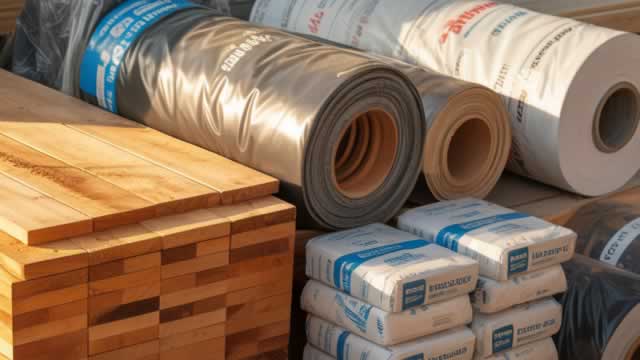
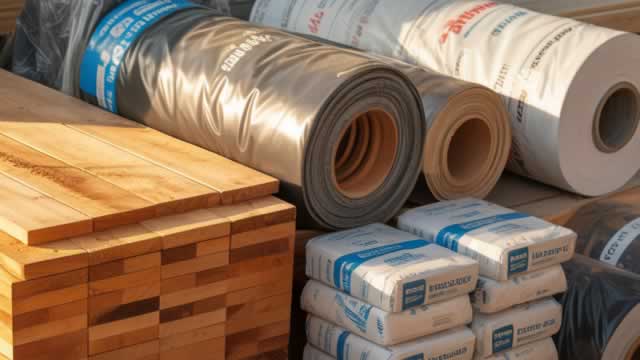
Louisiana-Pacific converts low-cost wood fiber into engineered building products—primarily oriented strand board (OSB) and related structural and exterior solutions used in residential and light commercial construction. The value chain starts with timber and wood procurement, proceeds through refining and panel production (drying, resin blending, pressing, finishing), and ends with shipment of standardized building materials that are specified by builders, distributors, and downstream manufacturers.
The business model benefits from vertical integration and a manufacturing network sized for commodity-grade volume, paired with product mix choices that can shift toward higher-value engineered outputs when market structure supports it.
💰 Revenue Streams & Monetisation Model
Revenue is primarily derived from:
- OSB and structural panels: largely volume-driven, with pricing that generally tracks broader panel/wood-fiber benchmarks.
- Lumber and other wood products: typically tied to construction activity and lumber supply-demand dynamics.
- Exterior building products (e.g., siding/trim, where applicable): typically monetized at a higher value per unit than commodity panels, with margins influenced by product complexity, resin/board costs, and distribution execution.
Monetisation is best understood through margin drivers rather than “recurring revenue.” LPX’s earnings power depends on the spread between product prices and key inputs—especially wood fiber cost, energy/utilities, and resin, alongside plant utilization and disciplined maintenance/turnaround execution. Product mix (structural vs. exterior/value-added outputs) and freight/regionally optimized shipments also materially influence operating margins.
🧠 Competitive Advantages & Market Positioning
LPX’s moat is primarily economic cost advantage supported by manufacturing scale and fiber procurement, plus specification-driven stickiness common in engineered building materials.
- Cost advantages (fiber + manufacturing): Engineered panels are highly energy- and process-intensive, and competitive outcomes hinge on consistent throughput, yield, and input procurement. LPX’s footprint and procurement approach can translate into a favorable cost structure versus smaller or less optimally positioned producers.
- Geographic/logistical competitiveness: Panel producers benefit from proximity to wood fiber sources and from regional distribution networks that reduce delivered costs for major building markets.
- Specification & purchasing inertia: OSB and related products often enter projects through distributor channels and builder specifications. Switching suppliers can involve qualification and procurement friction, which can support relative demand stability when capacity is constrained.
Competitive benchmarking:
- Georgia-Pacific (GP): A large diversified building-products supplier with a broad structural materials footprint; competes across OSB panels and engineered wood categories.
- Weyerhaeuser: Competes through timber resources and building materials production; often emphasizes forest products integration.
- West Fraser (and other OSB-focused peers such as Canfor): Competes through OSB and related wood products with scaled manufacturing.
Compared with these rivals, LPX’s positioning is centered on engineered panel leadership and optimized cost/fiber and manufacturing execution across its facilities, seeking to outperform through margins when industry capacity and demand dynamics allow for pricing discipline and utilization benefits.
🚀 Multi-Year Growth Drivers
Over a five- to ten-year horizon, LPX’s growth outlook is tied to structural demand for housing-related materials and the ongoing penetration of engineered wood. Key drivers include:
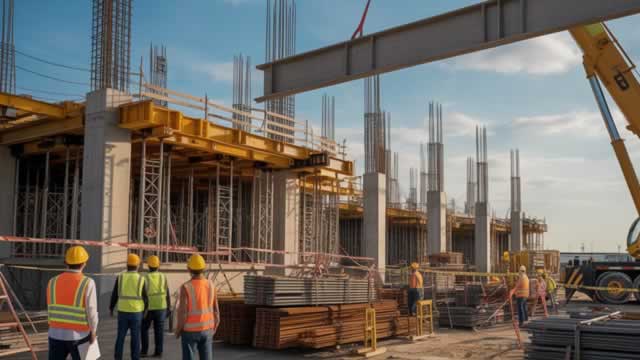
- Housing construction and repair/remodel demand: A large portion of wood panel consumption is driven by residential building starts and ongoing renovations, which can be supported by demographic and affordability dynamics over the long run.
- Engineered panel substitution: OSB and engineered solutions remain central to efficient building envelope construction, particularly where code-driven performance and construction speed matter.
- Residential/light commercial product complexity: Building exterior requirements and regional code preferences can favor value-added panel and exterior products when manufacturers can meet specifications consistently.
- Capacity discipline and industry structure: The sector’s operating model is capital- and maintenance-intensive; supply adjustments often occur through production cycles rather than rapid incremental entry, which can support long-run margins for best-cost producers through the cycle.
⚠ Risk Factors to Monitor
- Commodity cyclicality: OSB, lumber, and panels remain sensitive to construction activity, housing affordability, and broader materials pricing—creating earnings volatility through the cycle.
- Input cost and timber availability: Wood fiber costs, energy costs, and resin supply can swing operating margins; adverse changes in procurement economics or fiber supply can pressure spreads.
- Environmental and product compliance: Building products face evolving regulations on emissions, waste handling, and environmental permitting tied to manufacturing operations.
- Capital intensity and execution risk: Maintaining and upgrading manufacturing assets requires sustained capex and operational discipline; shutdowns or underperformance can erode cost advantages.
- Competitive capacity additions and pricing pressure: Large peers can reallocate production and pricing when industry capacity changes, which can compress margins for all participants.
📊 Valuation & Market View
Markets typically value building-products and engineered wood producers on enterprise value versus earnings power—often using EV/EBITDA rather than revenue multiples—because results are driven by cyclical utilization, fixed-cost absorption, and input-cost spreads. Key valuation drivers include:
- Through-the-cycle margin durability (cost leadership and stable fiber economics)
- Utilization expectations (capacity discipline and demand strength)
- Capital allocation credibility (maintenance of cost position and disciplined expansion)
- Balance-sheet resilience to manage commodity downturns
Because the sector is cyclical, valuation tends to reward companies demonstrating consistent cost performance and operational throughput, while penalizing those with persistently weaker margins or higher structural downtime.
🔍 Investment Takeaway
Louisiana-Pacific is best viewed as a best-cost structural materials business where sustainable advantage comes from engineered panel manufacturing scale, fiber and logistics economics, and specification-driven purchasing inertia in OSB and related building products. The long-term opportunity rests on enduring construction demand for engineered wood and the sector’s capital intensity that can preserve pricing discipline for cost leaders through cyclical downturns. Investment quality hinges on maintaining cost leadership, managing input and compliance risks, and sustaining utilization discipline.
⚠ AI-generated — informational only. Validate using filings before investing.














 Growth Catalysts