
📘 RAMACO RESOURCES INC CLASS A (METC) — Investment Overview
🧩 Business Model Overview
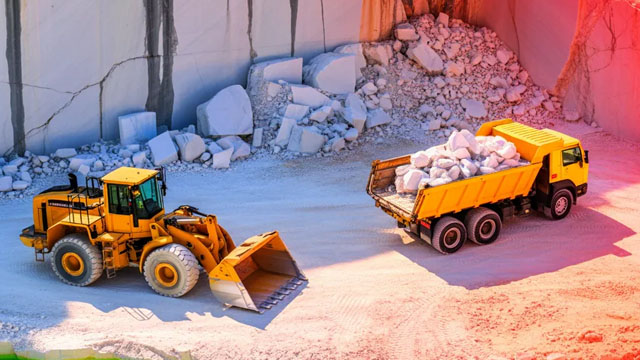
RAMACO RESOURCES INC (METC) produces and sells metallurgical (met) coal used primarily in steelmaking to produce coke and, ultimately, blast-furnace steel. The value chain is straightforward but highly execution-driven: (1) mine development and extraction of met coal, (2) coal preparation (washing/blending to meet specification), and (3) delivery to steel customers via contracted logistics and market channels.
Customer stickiness is driven less by “branding” and more by coal specification fit. Steelmakers require consistent coking coal characteristics for furnace performance and stable coke quality, which creates practical qualification and blending constraints. Producers that can reliably meet quality targets can participate in the ongoing supply mix even during cyclical downturns.
💰 Revenue Streams & Monetisation Model
Revenue is predominantly commodity-based, tied to met coal benchmark pricing and customer-specific terms (quality differentials/penalties and contract structures). Monetisation is therefore a function of:
- Realized price per ton (quality and specification determine discounts/premiums versus benchmarks).
- Production volumes (subject to mine plan, equipment reliability, and permitting limits).
- Cash cost per ton (mining, processing, labor, power, consumables, and ongoing reclamation/certification obligations).
- Logistics and handling (rail and terminal-related costs and access).
Margins typically expand when (a) realized prices rise relative to cost structure, and (b) the company sustains throughput with contained unit costs—while margins compress quickly when benchmark pricing falls or operational costs increase.
🧠 Competitive Advantages & Market Positioning
METC competes in met coal supply alongside other specialized US producers. The competitive question is not only “who has coal,” but who can supply met coal at consistently competitive unit costs while meeting stringent specification needs.
Key moats (structural):
- Cost position and operational execution (Cost Advantage): A durable cost advantage can persist when a producer has favorable geology, efficient mine design, and disciplined operating practices that keep cash costs competitive across cycles.
- Low-friction supply via geographic/logistical access (Geographic Cost Advantage): US met coal supply benefits from proximity to North American steelmaking demand and established export/rail distribution routes, lowering delivered costs versus less accessible sources.
- Specification-driven switching constraints (Quality & Qualification Switching Costs): Steelmakers blend coals to hit coke strength and performance targets. When a supplier is qualified and consistently meets quality requirements, replacing that coal can require operational adjustments and carry performance risk—creating practical switching friction.
Competitive benchmarking (primary peers):
- Warrior Met Coal (met-focused producer): targets high-quality met coal in the eastern US; competes primarily on quality consistency and cost structure.
- Peabody Energy (broader mix of met/thermal in some portfolios): competes on scale and diversified supply but must manage met coal positioning versus thermal exposure.
- Arch Resources (met coal focus): competes strongly on met coal specialization and scale-enabled cost efficiencies.
Compared with these rivals, METC’s industry positioning is best understood as a specialized met-coal participant, where sustained competitiveness depends on quality adherence, unit cost control, and reliable logistics—rather than diversified demand or non-commodity recurring revenue.
🚀 Multi-Year Growth Drivers
Over a 5–10 year horizon, the growth framework is primarily about steelmaking resilience and supply-side constraints, not demand for coal in isolation.
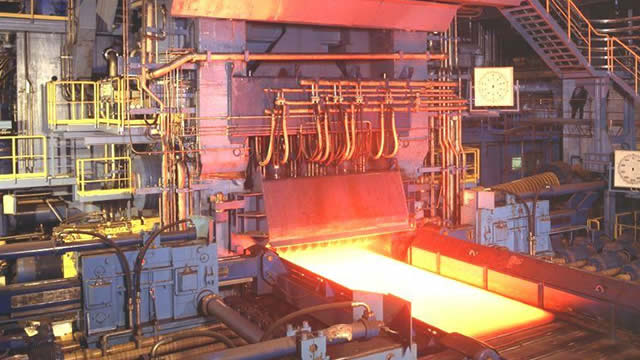
- Steel demand and blast-furnace continuity: Even amid shifts toward alternative steelmaking routes, blast furnaces and the need for coking coal remain central for a substantial portion of global steel output for years, supporting a durable addressable market.
- Supply attrition and permitting friction: High-cost, higher-complexity, or environmentally constrained supply sources can exit or reduce production. Over time, this can tighten met coal supply and support the pricing power of lower-cost, higher-performing producers.
- Quality and blend optimization needs: Steel plants require consistent coking characteristics; qualified met coal supply supports operational stability, reinforcing the importance of execution and quality control.
- Capital allocation and mine life discipline: The ability to sustain production and manage capex through cycles influences long-term tonnage availability and reserve value realization.
⚠ Risk Factors to Monitor
- Commodity cyclicality: Met coal prices are sensitive to global steel cycles and supply dynamics, creating significant earnings volatility.
- Regulatory and environmental exposure: Methane, water handling, reclamation obligations, and permitting processes can raise costs or restrict output.
- Operational risk: Equipment reliability, mine safety, workforce constraints, and weather/logistics disruptions can affect throughput and unit costs.
- Customer demand substitution: Increased use of scrap-based EAF steelmaking and expansion of alternative processes can reduce met coal intensity at the margin, pressuring long-term demand growth.
- Logistics and delivered-cost sensitivity: Rail/handling constraints and changes in transportation economics can shift realized margins even when benchmark pricing is stable.
📊 Valuation & Market View
Market valuation for met coal producers typically centers on enterprise value versus cash flow metrics (often framed as EV/EBITDA) and sensitivity to realized pricing, cash costs, and operating throughput. The valuation “needle movers” are:
- Cost curve positioning (how far below peers the company can operate across cycles).
- Quality and realized pricing differentials (specification adherence and blendability).
- Production durability (mine plan execution, reserve life, and sustained tonnage).
- Capital efficiency (maintenance versus growth capex and timing of development spend).
Because earnings are tied to commodity fundamentals, investors generally underwrite METC by estimating normalized cash generation over the cycle and discounting operational and regulatory risks that can alter the long-run cost curve.
🔍 Investment Takeaway
METC’s long-term investment case rests on a met-coal specialization model where competitiveness is determined by cost discipline, logistics/geographic access, and specification-driven qualification dynamics that reduce practical switching for steel customers. The primary investment challenge is navigating commodity cyclicality and regulatory/operational constraints, but the structural market need for reliable coking coal supply can support value for producers that maintain a consistently favorable unit cost position and quality performance through the cycle.
⚠ AI-generated — informational only. Validate using filings before investing.

















 Growth Catalysts