📘 NORTHROP GRUMMAN CORP (NOC) — Investment Overview
🧩 Business Model Overview
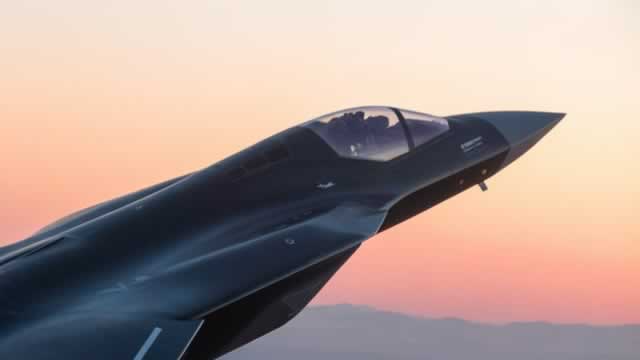
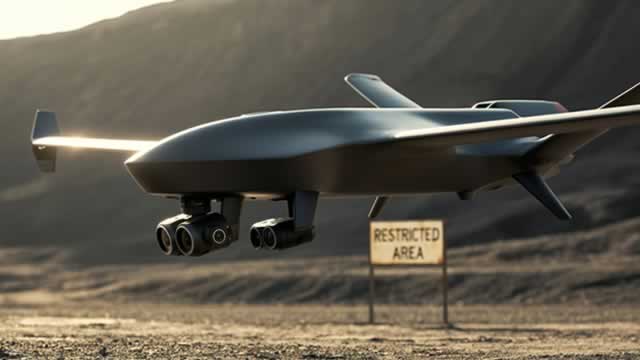
Northrop Grumman is a defense prime contractor and systems integrator spanning aerospace, mission systems, and (through program execution and partner networks) platforms that include aircraft/airframe components, unmanned and autonomous systems, radar and sensing, command-and-control, space systems, and missile defense. The business model is contract-driven: it bids for government and allied customer programs, then designs, builds, integrates, tests, and delivers complex systems that must satisfy rigorous performance, safety, security, and interoperability requirements.
A key operational feature is long program duration and deep downstream sustainment. The company earns not only production revenue but also modernization, upgrades, and life-cycle support, creating continuity across program phases and preserving customer relationships once a system is fielded.
💰 Revenue Streams & Monetisation Model
Revenue is largely tied to government procurement and allied transfer programs (including U.S. government contracting and international sales channels). Monetisation is a mix of:
- Program execution / production revenue: tied to development and manufacturing milestones.
- Lifecycle sustainment & modernization: recurring in the sense of ongoing spares, maintenance, software support, and upgrades over the platform’s service life.
- Mission systems and software-enabled capabilities: often monetised through upgrades, integration work, and service arrangements that extend beyond initial procurement.
Margin structure is driven by program mix (systems vs. pure production), contract terms (cost-sharing and risk allocation), and execution discipline (schedule adherence, procurement cost management, and engineering throughput). The company’s scale in complex integration typically improves the ability to manage program complexity and supply chain execution relative to smaller primes and subcontractors.
🧠 Competitive Advantages & Market Positioning
Northrop Grumman’s moat is primarily built on high switching costs and intangible assets associated with qualifying advanced defense systems for long-lived platforms and mission environments.
- High Switching Costs (Qualification & Integration Lock-In): Once sensors, software, networks, and command-and-control interfaces are qualified and integrated into a customer’s operating architecture, replacement is costly in engineering, testing, certification, and operational disruption. Competitors face re-qualification barriers and integration risk.
- Intangible Assets (Systems Engineering Expertise): Complex mission systems require specialized engineering teams, vetted supply chains, and deep understanding of classified and security-sensitive requirements—capabilities that take years to replicate.
- Program Execution Scale: Experience with multi-year development, production ramping, and sustainment can reduce execution friction versus less diversified competitors.
Competitive benchmarking:
- Lockheed Martin — Strong position in air platforms and major integrated defense programs, with emphasis on aircraft/strike capabilities and large-scale systems.
- General Dynamics — Particularly prominent in land systems and mission-related platforms, with competitive strengths in platform engineering and sustainment.
- Boeing Defense, Space & Security — Competitive in certain air and space platforms, but with different portfolio composition and program execution profiles.
Against these rivals, Northrop Grumman’s positioning emphasizes mission systems, sensing, command-and-control, and space-related capabilities, where integration and qualification tend to create durable switching costs for customers seeking continuity of performance and interoperability.
🚀 Multi-Year Growth Drivers
Over a 5–10 year horizon, growth is supported less by market share tactics and more by structural defense demand drivers and technology modernization cycles:
- Persistent demand for mission readiness: Replacement, upgrading, and sustaining defense capabilities tends to remain structurally important due to operational requirements and capability gaps.
- Air and missile defense modernization: Expanding requirements for detection, tracking, and interception drive incremental spending across sensors, software, and system integration.
- Space and ISR (intelligence, surveillance, reconnaissance): Ongoing needs for sensing, resilient communications, and space-enabled targeting support continued TAM breadth.
- Software-enabled defense architectures: Increasing reliance on mission software and networked capabilities expands the addressable opportunity for modernization and sustainment.
- Allied interoperability and capability harmonization: Procurement through allied and partner channels creates a steady pipeline for systems designed to work within coalition command structures.
The company’s ability to participate across development, production, and lifecycle phases supports longer-duration revenue visibility than purely transactional offerings.
⚠ Risk Factors to Monitor
- Program execution and cost risk: Large, complex contracts expose the business to schedule slips, supply chain disruptions, and margin pressure if performance or costs deviate from expectations.
- Government budget cycles and procurement priorities: Defense spending and acquisition strategies can shift, affecting contract timing, scope, and continuation risk.
- Contract structure and risk allocation: The mix of fixed-price versus cost-based elements can materially influence profitability and cash flow volatility.
- Technology and platform obsolescence: Rapid advances in sensors, autonomy, countermeasures, and cyber defense can compress development windows and require sustained investment.
- Export controls and geopolitical constraints: International sales and collaboration may face regulatory and political limitations.
- Workforce and supply chain capacity: Highly skilled engineering talent and specialized manufacturing capacity can become binding constraints during procurement surges.
📊 Valuation & Market View
The market typically values defense primes through a combination of earnings and cash generation expectations, with emphasis on:
- Backlog quality and conversion: The durability of awarded programs and the ability to convert backlog into stable earnings and cash flow.
- Margin sustainability: Investors focus on execution discipline and contract mix, especially for complex systems and sustainment work.
- Free cash flow reliability: Contract payment terms, working capital dynamics, and disciplined procurement drive cash conversion and influence multiples.
- Risk perception premium: Execution missteps or margin resets can lead to valuation compression, while demonstrated program stability tends to support re-rating.
Sector valuation commonly incorporates EV/EBITDA and earnings-based measures, but the dominant “moving parts” are backlog convertibility, execution track record, and cash flow confidence rather than short-term earnings prints.
🔍 Investment Takeaway
Northrop Grumman offers a structurally defensible position rooted in high switching costs from qualification and integration requirements, supported by durable intangible assets in systems engineering and mission integration. Its portfolio spans production and life-cycle sustainment for complex defense architectures, supporting a long-duration opportunity set tied to modernization and mission readiness. The investment case depends on maintaining disciplined program execution, managing cost and contract risk, and successfully translating advanced capabilities into sustained backlog across air, space, sensing, and missile defense.
⚠ AI-generated — informational only. Validate using filings before investing.

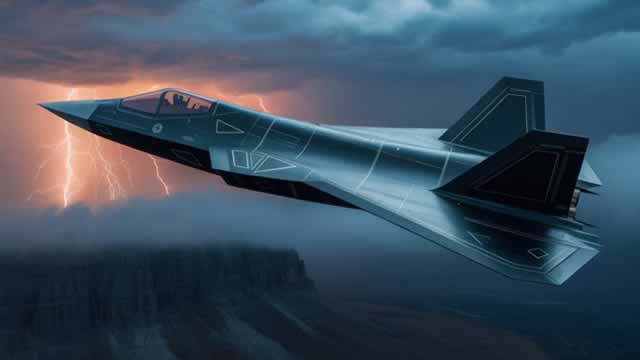
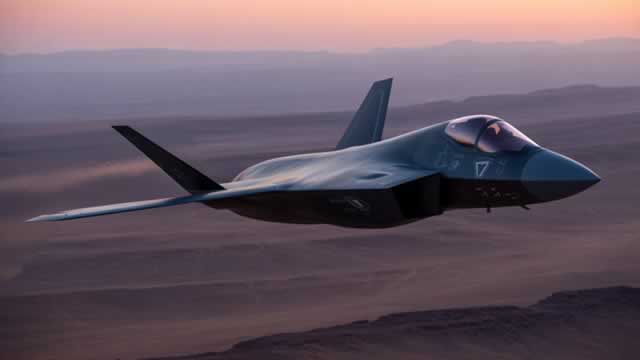











 Growth Catalysts