
📘 POTLATCHDELTIC CORP (PCH) — Investment Overview
🧩 Business Model Overview
PotlatchDeltic is a timberland owner and wood-products producer whose value chain runs from managed forests to harvested timber and then into conversion and sale of wood-based commodities. Timberlands generate harvested volumes that feed multiple end markets (e.g., sawlogs and fiber used by lumber and wood-products manufacturers). The company’s operating profile depends on sustainable harvest planning, forest productivity, and the logistical ability to deliver logs to regional mills and customers at competitive costs. On the wood-products side, earnings are driven by conversion margins, mill utilization, and the spread between finished-product prices and the underlying log feedstock costs.
💰 Revenue Streams & Monetisation Model
Revenue is primarily monetized through (1) sales of logs and harvested timber and (2) sales of converted wood products, with the latter typically capturing more of the value chain when conversion spreads are favorable. Timberland revenue tends to be more structurally supported by long-duration biological growth and harvest scheduling, though it remains exposed to forestry commodity cycles. Wood-products revenue is more directly exposed to demand for construction and industrial wood products, as well as to pricing dynamics in lumber and panel markets.
Margin drivers include: (a) the harvested-to-processed cost structure (including logging, hauling, and rail/transport costs), (b) proximity of timber supply to regional processing capacity (log delivery efficiency), and (c) the ability to manage harvest timing to balance volume growth with commodity pricing conditions.
🧠 Competitive Advantages & Market Positioning
The core moat is geographic and operational: controlled timberland access to a reliable low-cost feedstock base, paired with logistical infrastructure that reduces delivered-log costs to nearby mills. Competitors face higher effective feedstock costs when their timberlands are farther from processing hubs or when they lack comparable access to efficient transport routes. In addition, long-term forest management and harvest discipline create a durable supply base that can be scaled over time as stands mature.
Competitive benchmarking (public comparables):
- Weyerhaeuser: Larger and more diversified across timber and wood products, with broader exposure to end-market swings; PotlatchDeltic’s competitive position relies more heavily on regional feedstock and cost-to-deliver advantages.
- Rayonier: Similar timberland ownership model but with different land mix and end-market exposure; PotlatchDeltic’s differentiation centers on the specific geographic footprint and the resulting logistics economics for harvested timber.
- Pope Resources: Timber-focused but with a distinct asset base and harvesting cadence; PotlatchDeltic’s scale and managed distribution of assets support consistent supply economics within its operating regions.
Against these rivals, PotlatchDeltic’s industry focus emphasizes the economics of delivered timber and conversion where regional processing demand and transport networks are favorable. The practical barrier for competitors is not “brand” but access to suitably productive land and the logistics/harvest system required to convert that land into competitive delivered feedstock.
🚀 Multi-Year Growth Drivers
Over a 5–10 year horizon, growth is primarily shaped by supply constraints, land productivity, and structural demand for wood-based construction materials and industrial uses. Key drivers include:
- Timber supply scarcity and harvest discipline: Mature timber stands take time to grow, limiting rapid supply response and supporting long-run pricing power for delivered volumes when demand persists.
- Regional logistics advantages: Where timberlands sit near processing capacity and efficient transport corridors, delivered-log costs can remain structurally advantaged relative to more distant competitors.
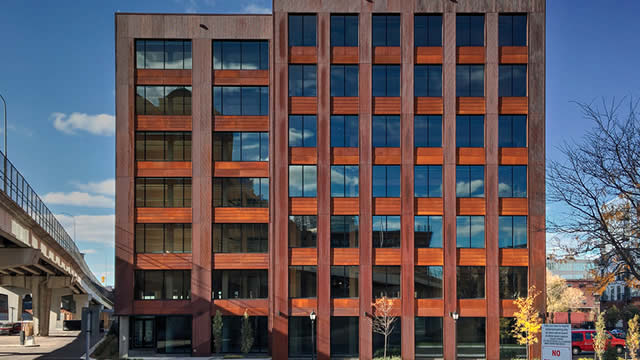
- Demand shift toward engineered and sustainable building materials: Increased acceptance of wood in construction and material substitution trends can lift end-market consumption, supporting utilization and conversion margins when spreads are favorable.
- Renewables and carbon-linked policy attention: Forestry can benefit from policy and investor focus on carbon management and sustainable sourcing, supporting demand from manufacturers and public commitments tied to responsible fiber supply.
⚠ Risk Factors to Monitor
- Commodity price cyclicality: Lumber, logs, and related wood-product prices can fluctuate with construction activity and industrial demand, pressuring margins even with stable underlying timber growth.
- Natural and biological risks: Wildfire, storms, pests, and disease can impair biological growth and harvesting plans, raising long-term operating uncertainty.
- Regulatory and environmental constraints: Changes in forestry regulation, permitting, carbon accounting, and conservation requirements can affect harvest levels, costs, and land-use economics.
- Capital intensity and maintenance capex: While timberland ownership is long-duration, sustaining infrastructure (roads, logging systems, mill-related commitments) and responding to environmental events requires ongoing investment.
- Financing and interest-rate sensitivity: As a capital-markets-facing REIT structure, valuation and access to capital can be influenced by financing conditions.
📊 Valuation & Market View
Market valuation for timber and wood-products companies is typically anchored to timberland asset value and the market’s view of long-run growth, harvest efficiency, and delivered-cost advantages. Analysts often focus on timberland-related metrics (e.g., value per acre and implied growth rates) alongside operating profitability for the wood-products segment. Key drivers that move the valuation framework include (a) harvest volumes and realized pricing, (b) log and finished-product spreads, and (c) expectations for forest productivity and land economics net of maintenance and environmental compliance.
In this sector, valuation frameworks tend to blend asset-based reasoning (timberland durability and biological growth) with cyclical operating income drivers (wood-product conversion margins), resulting in periodic re-rating when delivered-cost economics or end-market spreads change.
🔍 Investment Takeaway
PotlatchDeltic’s long-term case rests on a durable, geographically supported feedstock advantage: managed timberland assets combined with logistical economics that reduce delivered costs and support competitive conversion economics. The investment thesis favors patient owners of timber assets with disciplined harvest planning, resilient regional supply networks, and risk management around environmental and regulatory exposure—allowing the company to monetize biological growth and cycle-sensitive wood-product margins over a full market cycle.
⚠ AI-generated — informational only. Validate using filings before investing.

















 Growth Catalysts