
📘 STEELCASE INC CLASS A (SCS) — Investment Overview
🧩 Business Model Overview
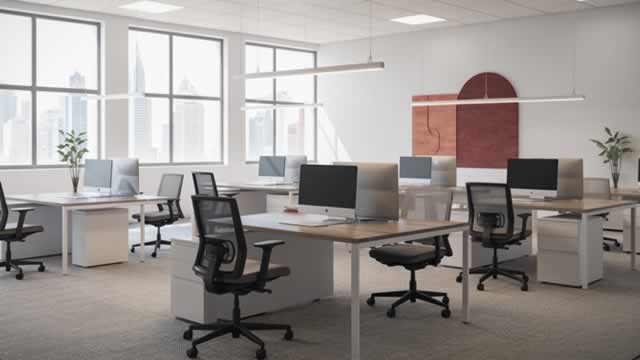
Steelcase designs and manufactures office furniture systems and workplace products sold through a combination of direct relationships and an extensive dealer/channel network. The value chain starts with product and systems engineering (modularity, ergonomics, and configuration), moves through customized manufacturing and configuration to customer requirements, and ends with installation support and lifecycle services (parts, refurbishment/repair, and related offerings).
A key feature of the model is that many customer purchases are tied to an installed base of workplace infrastructure. Solutions are often specified at the system level (workstations, storage, meeting spaces, accessories), which increases reuse and reconfiguration opportunities over time and supports repeat purchasing of components and upgrades through dealers and service channels.
💰 Revenue Streams & Monetisation Model
Revenue is predominantly transactional, driven by orders for furniture systems and related accessories for workplaces. Monetisation also includes service-like components through replacement parts, after-sales support, and lifecycle offerings that are less dependent on new workplace build-outs.
Margin drivers typically include:
- Mix shift toward higher value systems and configurations versus lower value components.
- Operating leverage as fixed manufacturing and overhead costs are absorbed over better production volumes.
- Manufacturing efficiency (yield, throughput, and sourcing discipline) affecting gross margin.
- Channel execution and project management controlling fulfillment costs and installation complexity.
🧠 Competitive Advantages & Market Positioning
Steelcase’s durability is rooted less in branded demand alone and more in switching costs and system-level embeddedness. Workplace environments are engineered ecosystems: replacing a single component often requires compatibility with the broader system (layout, mounting standards, accessories, cable management, and design specifications). Once a workplace is standardized, follow-on projects (expansion, refreshes, reconfigurations for new teams, and space optimization) tend to draw from the existing system language.
This creates a structural moat through:
- Switching costs from installed base: design compatibility, dealer familiarity, and project specifications that favor continuity.
- Intangible asset in workplace systems knowledge: engineering depth, ergonomic and usability know-how, and the ability to support configuration at project scale.
- Channel and specification relationships: involvement in design phases and contractor/dealer ecosystems that become embedded in procurement workflows.
Competitive benchmarking:
- Herman Miller: often positioned toward premium workplace solutions and design-led products; competes strongly for specification-driven accounts and high-end interiors.
- Haworth: competes as a global workplace solutions provider with broad catalog breadth and contract project exposure.
- Knoll (and other large contract manufacturers): competes through design portfolios and institutional relationships.
Across these rivals, Steelcase’s competitive emphasis is on end-to-end workplace systems and reconfiguration suitability for institutional customers, rather than competing purely on standalone furniture aesthetics. That focus tends to align with customer needs for standardization and future space adaptability—areas where installed-base dynamics can favor incumbents.
🚀 Multi-Year Growth Drivers
The growth outlook is supported by structural demand for workplace change and modernization rather than a single-cycle office build theme. Over a 5–10 year horizon, the following drivers matter:
- Workplace reconfiguration: hybrid and flexible work arrangements continue to increase demand for space planning, desk strategy, collaboration areas, and modular systems that can be rebalanced as headcount and team structures evolve.
- Lifecycle replacement cycle: aging furniture and infrastructure in corporate, education, and healthcare settings supports periodic refreshes, upgrades, and refurbishment—benefiting system and accessories sales.
- Institutional capex diversity: demand is not limited to one end market; schools, universities, healthcare facilities, and public-sector workplaces can provide steadier order patterns relative to purely office-centric corporate spending.
- Sustainability and durability requirements: buyers increasingly evaluate longevity, repairability, and lifecycle impacts. Systems designed for replacement of parts and refurbishments can better meet these procurement criteria.
⚠ Risk Factors to Monitor
- Economic cyclicality: furniture systems demand is tied to discretionary workplace capex and renovation cycles, which can contract in downturns.
- Input cost and supply chain volatility: exposure to steel and component costs can pressure margins if price pass-through and procurement discipline lag.
- Execution risk in custom configurations: complex project requirements can create cost overruns or fulfillment delays, especially when demand shifts quickly.
- Channel and dealer concentration: reliance on specification and dealer execution introduces sales-cycle variability and risk of misalignment in inventory and promotional strategies.
- Competitive substitution: large rivals with similar catalog breadth can increase competitive pressure on pricing in certain product categories and geographies.
📊 Valuation & Market View
Equity valuation for office furniture manufacturers typically reflects a blend of cash generation quality and cyclicality. Market participants often anchor on EV/EBITDA and operating margin durability, while price-to-sales can be used as a cross-check because revenue is meaningfully project-driven and can swing with order timing.
Key valuation drivers include:
- Gross margin resilience through procurement and mix.
- Operating leverage as volumes normalize.
- Order visibility and backlog quality that reduces earnings volatility.
- Working capital discipline tied to project timing and inventory management.
🔍 Investment Takeaway
Steelcase’s long-term case is built on structural customer stickiness from installed-base switching costs and system-level workplace embeddedness, supported by engineering and channel relationships that influence project specifications. While demand remains cyclical, the competitive position benefits from recurring upgrade and reconfiguration opportunities that arise as customers evolve workspace needs over time.
⚠ AI-generated — informational only. Validate using filings before investing.

















 Growth Catalysts