📘 HAIN CELESTIAL GROUP INC (HAIN) — Investment Overview
🧩 Business Model Overview
HAIN Celestial is a branded consumer packaged goods (CPG) company focused on natural, organic, and better-for-you food categories. The value chain is straightforward but operationally demanding: (1) source and develop product lines with consumer-facing brand equity, (2) manufacture (owned and contract production) and package SKUs designed for retail velocity and category requirements, and (3) sell through mass retail, grocery, specialty channels, and select foodservice/wholesale routes.
Customer “stickiness” in packaged food is not driven by switching costs in the software sense, but by merchandising placement, brand trust, and retailer category planning. Once a brand earns shelf space and a repeat purchase habit in its category, HAIN benefits from improved forecastability, distributor pull-through, and more efficient promotional execution.
💰 Revenue Streams & Monetisation Model
Revenue is primarily generated from wholesale sales of branded packaged foods. Monetisation is driven by a mix of branded volume and pricing/mix, partially offset by trade spending.
- Branded packaged food sales (primary): revenue tied to unit volumes, retailer case-pack flows, and price realizations.
- Category mix and formulation: higher-margin items (where applicable) and differentiated propositions tend to support gross margin stability, even when commodity inputs fluctuate.
- Trading/promotional mechanics: retail programs and pricing promotions can pressure margins but can also protect share during consumption cycles.
Margin drivers are largely operational: input cost and freight dynamics, manufacturing utilization, packaging costs, and cost discipline in overhead and supply chain execution. Because many HAIN categories are commoditized at the ingredient level, the key monetisation lever is differentiation that holds price/mix rather than competing solely on cost.
🧠 Competitive Advantages & Market Positioning
HAIN competes in the natural/organic and “better-for-you” packaged food landscape, where differentiation must translate into retailer confidence and sustained consumer repeat demand.
Competitive benchmarking (primary rivals): General Mills, Danone (including its plant-based and dairy-aligned brands), and Conagra Brands. These peers vary in scale and category breadth, but they compete directly for shopper budgets in grocery and for retailer shelf space in overlapping “health-oriented” segments.
- Scale/distribution leverage (retail execution moat): Larger CPG peers can spread fixed costs across broader volumes; HAIN’s relative advantage is executing focused natural categories with retailer know-how—earning and defending distribution through category management, consistent supply, and promotional planning that protects turnover.
- Private-label resistance via formulation and brand proposition: Competitors with extensive commoditized portfolios often face aggressive private-label substitution. HAIN’s positioning in “natural” subcategories can reduce direct private-label equivalency when consumers perceive meaningful differences in ingredients, taste profiles, or intended use cases.
- Intangible assets (brand equity and product development): Brand equity in legacy categories (e.g., tea and other household staples within natural health positioning) supports shelf durability and rebuy behavior, lowering the cost of maintaining distribution versus purely unbranded products.
While no packaged-food business has true permanent “switching costs,” HAIN’s moat is best characterized as a combination of brand-led merchandising durability and retailer execution that reduces the probability of share erosion during promotional and competitive cycles.
🚀 Multi-Year Growth Drivers
- Premiumization and health-forward consumption: Growth in categories associated with natural ingredients, reduced additives, and healthier eating frameworks supports TAM expansion beyond traditional mass staples.
- Plant-forward and protein/better-for-you eating trends: Continued consumer demand for plant-based and alternative nutrition products can expand both share and product-specific volumes where supply and distribution align.
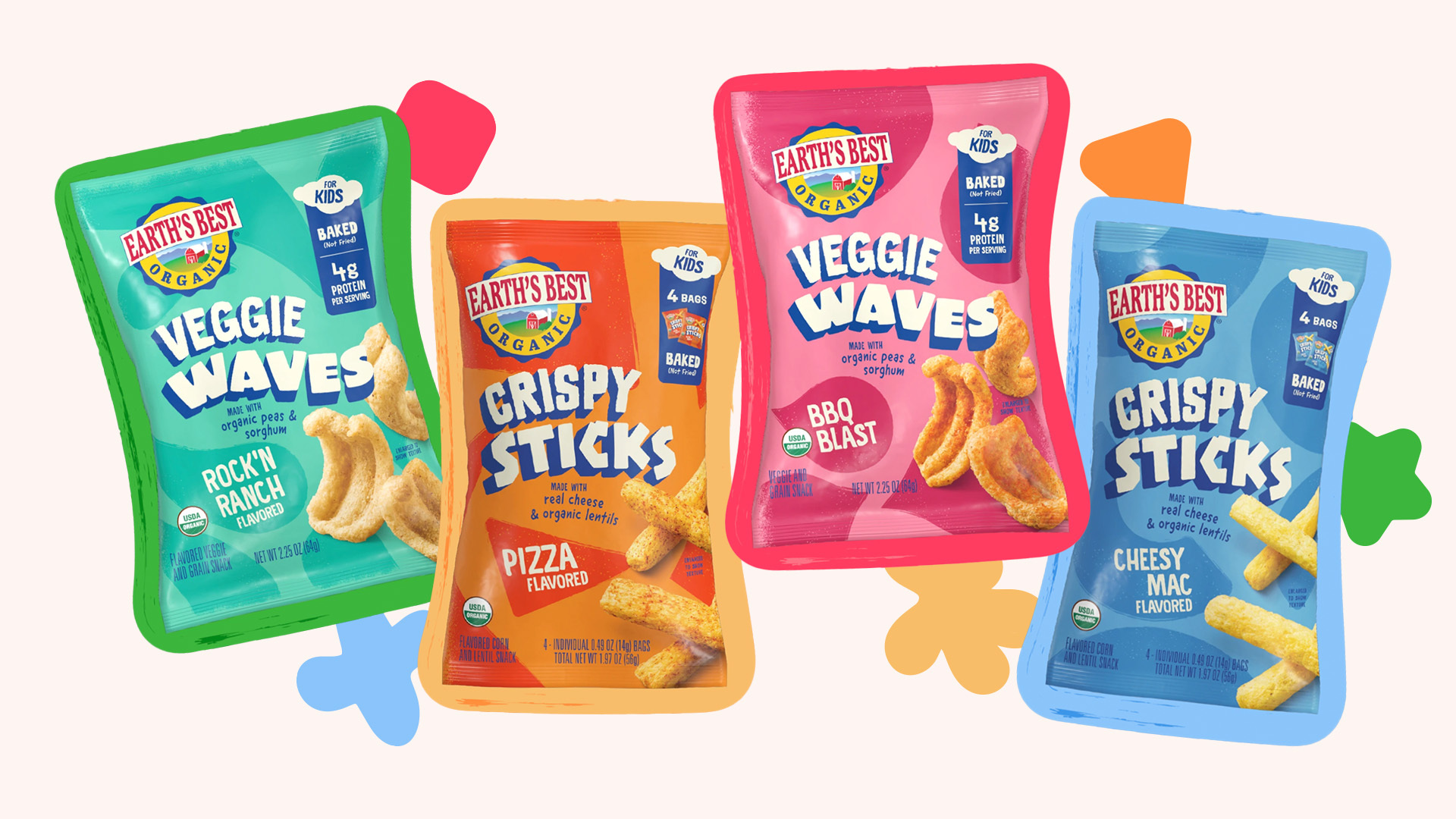
- Innovation cadence in adjacent categories: Incremental SKU expansion and line extensions (formats, flavors, and ingredient upgrades) can improve mix and help defend share against larger multi-category competitors.
- Channel expansion and international brand rollouts: Where retailer relationships and product-market fit exist, cross-channel growth can broaden the customer base and spread fixed costs.
Over a 5–10 year horizon, the investment case depends less on a single end market and more on HAIN’s ability to maintain shelf distribution, sustain consumer relevance through product innovation, and manage input cost variability through operational discipline.
⚠ Risk Factors to Monitor
- Retailer bargaining power and slotting/promo intensity: Grocery concentration can increase pressure on trade terms and promotional spending, compressing margins even when demand is stable.
- Commodity and input cost volatility: Ingredient inflation, packaging costs, and freight volatility can create margin uncertainty without commensurate pricing power.
- Private-label substitution and category commoditization: If consumer differentiation narrows or private-label offerings improve, share can be vulnerable despite brand history.
- Execution risk in manufacturing and supply chain: Underutilization, quality events, or distribution disruptions can drive write-offs and damage retailer confidence.
- Leverage and capital market sensitivity: Consumer demand swings plus margin pressure can stress cash generation, increasing refinancing risk and limiting flexibility for reinvestment or restructuring.
📊 Valuation & Market View
Markets typically value branded CPG businesses on a combination of EV/EBITDA (or enterprise cash flow multiples) and P/S, with the premium or discount largely tied to margin structure and earnings durability rather than top-line growth alone.
Key valuation drivers include: evidence of sustainable gross margin (pricing discipline and mix), controlled trade spend, operating leverage as volumes normalize, and credible paths to free cash flow generation. Downside typically emerges when promotional intensity rises, input costs lag behind price actions, or cost structure inflects upward faster than sales.
🔍 Investment Takeaway
HAIN’s long-term value proposition rests on earning and defending distribution in natural/better-for-you categories through brand-led differentiation and retailer execution. The core moat is best viewed as distribution durability supported by intangible brand assets, with scale/distribution leverage helping offset the structural threat of private-label substitution and retail bargaining power. Returns depend on maintaining margin resilience through input-cost cycles and sustaining consumer relevance via innovation and assortment discipline.
⚠ AI-generated — informational only. Validate using filings before investing.













 Growth Catalysts