
📘 L3HARRIS TECHNOLOGIES INC (LHX) — Investment Overview
🧩 Business Model Overview
L3Harris designs and delivers mission-critical defense electronics across platforms (air, land, maritime) and domains (space and ground). The value chain typically runs from systems engineering and advanced component development to integration, production, delivery, and long-cycle sustainment.
A key feature of the model is the “in-system” nature of its offerings: products are often embedded into existing weapon systems, aircraft, vehicles, and command-and-control architectures. After delivery, L3Harris frequently supports customers through upgrades, spares, maintenance, and software-related enhancements—creating a continuing services footprint that extends program life and deepens customer dependence on its engineering and operational know-how.
💰 Revenue Streams & Monetisation Model
Revenue is generally composed of three monetisation layers:
- Production and systems delivery: Contract-driven revenue tied to program milestones, platform build schedules, and modernization plans.
- Sustainment and aftermarket services: Maintenance, repairs, upgrades, spares, and lifecycle support that tend to be more durable through budget cycles.
- Software-enabled capabilities and upgrades: Capabilities layered onto platforms and networks, often monetised through updates, integration work, and follow-on capability releases.
Margin structure is driven by program mix (mission systems and sustainment often supporting more attractive economics than purely commodity-like hardware), labor and supply-chain execution, and the ability to transition from development and production into lifecycle support. Over time, the monetisation profile can become increasingly service-weighted as platforms mature and sustainment schedules extend.
🧠 Competitive Advantages & Market Positioning
L3Harris benefits from a combination of moats tied to qualification, integration, and lifecycle dependence.
- High switching costs (platform and network integration): Its systems are integrated into complex defense platforms and command-and-control environments. Requalification, re-integration testing, cybersecurity assurance, and mission assurance create friction for customers to replace incumbent suppliers.
- Intangible assets (engineering depth, IP, and clearance-based capabilities): Defense electronics requires sustained engineering investment, a deep supplier qualification process, and highly constrained talent and security clearance ecosystems.
- Lifecycle “pull-through” (sustainment stickiness): Sustainment contracts and upgrade pathways keep customers engaged beyond initial delivery, supporting continuity of revenue and program relevance.
Competitive benchmarking:
- Northrop Grumman: Broad defense prime with strong platforms and ISR capabilities; competes across segments where mission systems and sensors matter, but portfolio emphasis can differ by platform ownership and product mix.
- RTX (Raytheon Technologies): Major participant in missiles, sensors, and communications; often competes on integrated defense solutions where electronic and sensing subsystems are central.
- General Dynamics (GD): Strong position in land and naval platforms and certain mission areas; competes heavily where integrated mission systems and sustainment are key.
Compared with these rivals, L3Harris’ positioning emphasizes mission electronics, communications, electronic warfare-adjacent capabilities, sensors, and defense services across a wide set of customer platforms—benefiting from integration-led customer stickiness rather than reliance on a single platform monopoly.
🚀 Multi-Year Growth Drivers
Over a 5–10 year horizon, growth prospects are supported by persistent modernization needs and expanding capability requirements in contested environments:
- Secure, resilient communications and networking: Demand for tactical communications, interoperable networks, and survivable architectures in contested and GPS-denied settings.
- ISR and sensing modernization: Expansion of intelligence, surveillance, and reconnaissance capabilities, including upgrades to existing fleets and systems to improve detection, classification, and targeting workflows.
- Electronic warfare and counter-UAS: Increased procurement emphasis on protecting platforms and forces from detection, jamming, and unmanned threats.
- Lifecycle upgrades and sustainment: Platform life extensions and modernization programs create a recurring engineering and sustainment tail beyond initial production.
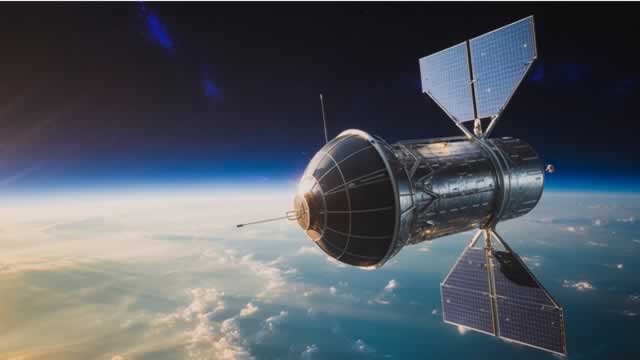
- Space and ground segment evolution: Growth in space-enabled awareness and associated ground systems increases the addressable set of defense electronics tasks.
The long-run TAM expansion is less about new platform “build” cycles alone and more about continuous upgrades—where integration capabilities and lifecycle support translate into follow-on contract wins.
⚠ Risk Factors to Monitor
- Government budget and procurement cyclicality: Contract awards and schedules can shift with fiscal priorities, affecting production timing and backlog conversion cadence.
- Program execution and cost risk: Fixed-price or cost-sharing structures can pressure margins if labor, supply chain, or technology integration challenges emerge.
- Concentration of large programs: Material exposure to a limited number of major programs increases earnings volatility if milestones slip or requirements change.
- Technological substitution risk: Advances in communications, sensors, and autonomy can create competitive pressure if incumbents do not maintain technical leadership.
- Export controls and cybersecurity requirements: Compliance constraints and evolving security standards can extend timelines and increase compliance costs.
- Competitive bid intensity: Defense primes and electronics peers compete aggressively for follow-on work, sustainment expansions, and upgrade slots.
📊 Valuation & Market View
Markets typically value defense electronics primes using a blend of earnings power and cash flow durability rather than purely near-term growth metrics. Common valuation frameworks include:
- EV/EBITDA and DCF-based models: Reflecting operating margin profile, backlog visibility, and reinvestment needs.
- Cash flow conversion emphasis: Credit and equity markets tend to reward reliable free cash flow generation supporting capital returns and balance sheet flexibility.
- Backlog quality and sustainment mix: Investors generally focus on the sustainability of revenue streams, book-to-bill dynamics, and the share of service and upgrade work that can persist through platform lifecycle extensions.
Key drivers that typically move valuation include operating margin stability, execution against program commitments, and the durability of sustainment and upgrade pipelines.
🔍 Investment Takeaway
L3Harris presents a structurally defensible position in defense electronics and mission systems where customer switching costs are elevated by integration, qualification, and lifecycle sustainment requirements. The investment thesis rests on the company’s ability to translate engineering depth and platform embeddedness into recurring upgrade and services exposure, supported by enduring demand for secure communications, sensing/ISR modernization, and electronic protection in contested operating environments.
⚠ AI-generated — informational only. Validate using filings before investing.




















 Growth Catalysts