
📘 PERMA FIX ENVIRONMENTAL SERVICES I (PESI) — Investment Overview
🧩 Business Model Overview
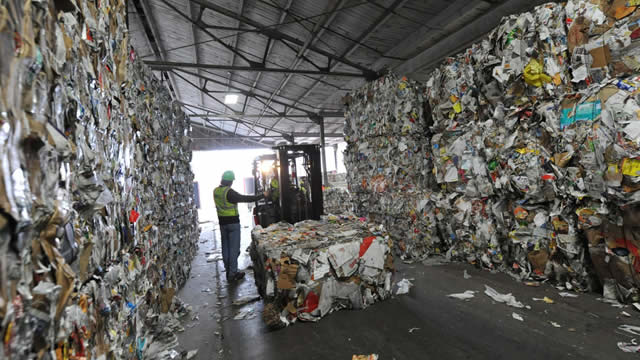
PERMA FIX Environmental Services I provides specialized treatment, storage, and disposal services for regulated waste streams, including hazardous industrial waste and other highly regulated categories that require compliant handling, permitting, and treatment capabilities. The company’s value proposition is operational: it receives waste from generators, manages safe transportation/receipt protocols, treats and processes materials using approved methods, and ultimately disposes of residues at permitted facilities—or transfers waste through licensed channels where appropriate.
Because customers must meet strict regulatory requirements and often face significant consequences if waste is mishandled, the company’s “how it works” is built around (1) compliant intake and documentation, (2) permitted treatment pathways, (3) secure handling and throughput at fixed infrastructure, and (4) repeat qualification of generators and intermediaries that rely on predictable, auditable outcomes.
💰 Revenue Streams & Monetisation Model
Revenue is primarily driven by per-ton/per-load service pricing tied to volume and waste complexity. Monetisation typically includes:
- Treatment and disposal fees for hazardous and regulated waste handled through the company’s facility network.
- Storage-related and processing services where waste requires approved interim handling before treatment or disposal.
- Remediation and specialty services that can be contract-based and tied to project scope, waste characterisation, and remediation deliverables.
- Ancillary revenues (e.g., permitting-related logistics support and compliance documentation services) that support the primary waste management activity.
Margin drivers tend to be (1) facility utilization and throughput discipline, (2) waste mix (volume of easier-to-treat streams versus higher-cost treatment streams), (3) pricing versus disposal/treatment costs, and (4) execution on permitted processes that avoid costly rework and regulatory non-compliance. Competitive dynamics matter: pricing and utilization often move together in this industry, but defensible specialty capabilities can moderate pricing pressure.
🧠 Competitive Advantages & Market Positioning
PESI’s structural advantages most closely align with Regulatory Moats and Switching Costs:
- Regulatory Moat (Permitting + operational qualification): Operating in hazardous and highly regulated waste categories requires permits, approved treatment pathways, and ongoing compliance. Recreating these capabilities generally takes time, capital, and institutional know-how.
- Switching Costs (Qualification + compliance risk): Waste generators and intermediaries must qualify disposal/treatment vendors across documentation, safety practices, waste acceptance criteria, and audit requirements. Switching away introduces compliance and operational risk, and often requires renegotiation of intake parameters.
- Capacity and execution discipline: Specialty infrastructure supports reliable service delivery, which can be valued by customers seeking continuity of waste disposition.
Competitive benchmarking:
- Clean Harbors (CLH): broader hazardous waste services with meaningful scale across industrial and specialty segments. PESI generally competes by emphasizing compliance-intensive specialty waste handling and treatment/disposal pathways.
- Stericycle (SRCL): stronger presence in healthcare and regulated waste streams with a different end-market mix. PESI is positioned more toward hazardous/industrial specialty treatment and disposal capabilities.
- Heritage-Crystal Clean (HCCI): more focused on used oil, industrial services, and certain recycling-related categories. PESI’s differentiation is more tied to regulated treatment/disposal requirements rather than purely commoditized industrial services.
In this competitive set, the key differentiator for PESI is the ability to serve waste categories where permitting, qualification, and operational compliance barriers remain elevated—reducing the ease with which competitors can displace qualified incumbents.
🚀 Multi-Year Growth Drivers
Sustained growth prospects in environmental services are supported by secular demand drivers rather than cyclical “one-off” catalysts:
- Regulatory tightening and compliance complexity: Ongoing enforcement and evolving waste classification standards can increase the addressable set of waste streams requiring permitted treatment and disposal.
- Industrial waste generation from reshoring, infrastructure, and manufacturing activity: Broader industrial output increases total waste volumes requiring responsible disposition.
- Specialty waste outsourcing: Many generators prefer to outsource compliant treatment/disposal rather than maintain in-house infrastructure, benefiting permitted operators.
- Capacity discipline and service reliability: As long as permitted capacity and execution quality remain scarce relative to demand in certain categories, vendor reliability can support pricing power or at least protect utilization.
- Remediation and environmental compliance programs: Infrastructure and industrial remediation cycles can support project-based services, extending demand beyond simple disposal.
Over a 5–10 year horizon, the central TAM expansion thesis is that the “regulated waste services” market grows with both industrial activity and compliance intensity, while barriers to entry remain meaningfully high due to permitting and operational qualification.
⚠ Risk Factors to Monitor
- Regulatory and permitting risk: Permit modifications, facility compliance requirements, or adverse rulings can constrain throughput and increase cost of operations.
- Environmental liability and legacy exposure: Hazardous waste operators carry reputational and legal exposure; claims, remediation obligations, or settlement costs can be material.
- Utilization and pricing pressure: Capacity additions across the industry or temporary demand softness can pressure disposal/treatment pricing and margins.
- Capital intensity and maintenance requirements: Treatment and disposal infrastructure requires ongoing investment to sustain compliance and performance.
- Operational execution risk: Treatment failures, safety incidents, or documentation lapses can trigger costly remediation, enforcement actions, or customer loss.
- Customer concentration and qualification dynamics: Loss of key generator/intermediary relationships or changes in waste acceptance criteria can reduce volumes.
📊 Valuation & Market View
Equity valuation for specialized environmental service providers typically reflects:
- EV/EBITDA and earnings power: The market often focuses on sustainable margins and cash generation tied to utilization and waste mix.
- EV/Sales for visibility narratives: In segments where contract structure and throughput can create perceived earnings stability, price-to-sales can be a secondary lens.
- Credit and working capital sensitivity: Waste services can involve working-capital swings driven by receivables, payment terms, and disposal logistics costs.
- Quality of throughput and compliance history: Better compliance records and lower risk premiums can support higher multiple valuation relative to peers.
Key valuation “needle movers” generally include sustained utilization, normalized treatment costs, disciplined capital spending, and evidence that regulatory/compliance costs remain predictable relative to pricing.
🔍 Investment Takeaway
PERMA FIX Environmental Services I offers an institutional-style investment thesis centered on regulatory barriers and customer switching costs in specialized hazardous waste treatment and disposal. The core moat is not product branding; it is the ability to operate permitted infrastructure reliably, maintain compliance, and remain qualified for complex waste streams. The multi-year outlook is supported by secular regulatory complexity and ongoing outsourcing of regulated waste handling, while risks remain concentrated in environmental liability, permitting, utilization/price dynamics, and execution discipline.
⚠ AI-generated — informational only. Validate using filings before investing.














 Growth Catalysts