📘 AERSALE CORP (ASLE) — Investment Overview
🧩 Business Model Overview
AerSale operates in the aerospace aftermarket ecosystem, converting aging aircraft and engine assets into value through a combination of asset management, component sourcing, and resale. The value chain centers on acquiring or managing aircraft/engine-related assets, extracting and refurbishing high-demand parts (often through part-out and refurbishment workflows), and supplying certified components and solutions to airlines, lessors, and maintenance providers. A meaningful portion of demand is driven by maintenance planning, shop visits, and lifecycle needs—creating a structured market for replacement parts and serviceable components.
💰 Revenue Streams & Monetisation Model
Revenue is generally a mix of (1) component sales (more transactional, tied to part availability and refurbishment throughput), (2) aircraft/engine leasing and related monetisation where assets are employed for rental cash flows, and (3) asset management and services that monetize expertise in sourcing, certification workflows, and resale execution. Margin drivers tend to include:
- Component mix and yield: profitability improves when the acquired assets contain higher-demand parts and refurbishment economics are favorable.
- Certification and turn execution: compliance-driven workflows (FAA/EASA-style requirements, inspection regimes, documentation) support pricing power versus lower-quality suppliers.
- Working capital efficiency: parts inventory build cycles and settlement timing can influence cash conversion even when earnings appear stable.
- Residual value discipline (for owned/managed assets): leasing and secondary-market sales are sensitive to disposal values and utilization patterns.
🧠 Competitive Advantages & Market Positioning
AerSale’s competitive edge is less about pure aircraft ownership scale and more about monetisation expertise in the secondary aerospace supply chain—where certification, sourcing relationships, refurbishment execution, and demand forecasting determine economics.
- Intangible asset moat (certification + execution capability): aerospace component monetisation requires documented quality systems, repair/refurbishment know-how, and reliable supply chain governance. This raises the difficulty and time cost for entrants trying to compete credibly in certified component markets.
- Cost advantage from asset sourcing and part-out economics: experienced players capture value by identifying aircraft/engine assets that can yield serviceable components at attractive cost-per-usable-part metrics.
- Customer stickiness via maintenance planning: airlines and lessors often rely on known suppliers for predictable part availability and documentation, which reduces procurement friction during maintenance events.
Competitive benchmarking (primary peers):
- AAR Corp — AAR combines MRO and aviation services with parts distribution. AerSale’s emphasis is more concentrated on aftermarket monetisation of acquired assets and component supply flows, whereas AAR is broader across service operations.
- Air Lease Corporation (AL) / other aircraft lessors — lessors monetize aircraft utilization primarily through rental cash flows. AerSale is more oriented toward the aftermarket and component value capture rather than a primarily fleet-based leasing model.
- StandardAero (and similar MRO/repair specialists) — MRO providers monetize maintenance and repair capability. AerSale’s differentiation is tied to the component monetisation supply chain (sourcing, refurbishment execution, and resale), not purely labor-intensive repair throughput.
🚀 Multi-Year Growth Drivers
Over a 5–10 year horizon, AerSale’s opportunity set is linked to structural demand for aircraft maintenance and parts, plus continued expansion in the use of secondary markets:
- Lifecycle-driven aftermarket spend: aircraft and engines require scheduled and unscheduled maintenance, driving persistent demand for certified parts and serviceable components.
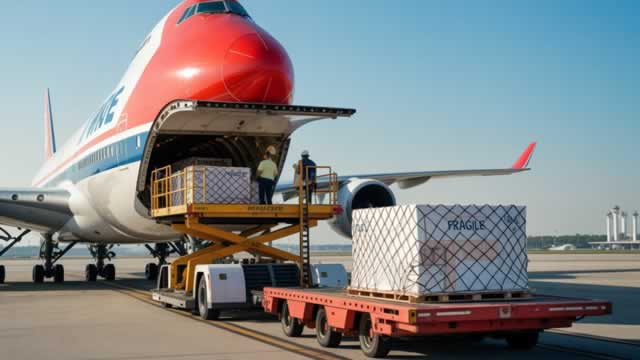
- Fleet transformation and “part-out” supply: aircraft retirements, lease cycles, and engine program transitions keep the secondary asset pool active, supporting AerSale’s ability to source valuable components.
- Outsourcing of maintenance supply chains: airlines and lessors increasingly rely on specialized suppliers to manage procurement and component availability during heavy maintenance events.
- Secondary market liquidity: the scaling of used-asset markets expands the number of aircraft/engine units feeding the component supply chain.
⚠ Risk Factors to Monitor
- Residual value and disposal risk: profitability from asset monetisation depends on disposal values, component yield, and the timing of sales into the secondary market.
- Market liquidity and pricing cycles: component demand and aircraft/engine part values can fluctuate with airline capacity decisions and maintenance deferrals.
- Regulatory and quality compliance: aviation component certification and documentation requirements can increase costs or constrain supply if inspection outcomes deteriorate.
- Counterparty and credit exposure: counterparties in leasing, asset management, and sales arrangements can create collection and performance risk.
- Concentration in programs and platforms: economics can be sensitive to the durability of demand for specific aircraft and engine models.
📊 Valuation & Market View
AerSale is typically valued by the market through a blend of earnings power and asset-backed considerations. In this sector, investors often watch:
- EV/EBITDA or operating margin durability for aftermarket/service economics.
- Cash conversion and working-capital discipline given inventory and settlement-driven variability.
- Asset-related metrics (book value / asset quality) where leasing and monetisation of acquired assets influence risk-adjusted returns.
- Return on deployed capital, particularly how efficiently acquired aircraft/engine assets are converted into serviceable parts and cash proceeds.
Multiple expansion or compression generally tracks credibility of component economics, disciplined residual value assumptions, and sustained cash generation through cycles.
🔍 Investment Takeaway
AerSale’s long-term case rests on a differentiated aftermarket monetisation model built around certification-driven execution, asset sourcing discipline, and component supply chain capability. While aerospace aftermarket economics remain cyclical, the firm’s intangible operational know-how and cost-efficient conversion of secondary assets into certified parts support durable competitive positioning versus broader aircraft lessors and general MRO/service providers.
⚠ AI-generated — informational only. Validate using filings before investing.



















 Growth Catalysts