
📘 BIRKENSTOCK HOLDING PLC (BIRK) — Investment Overview
🧩 Business Model Overview
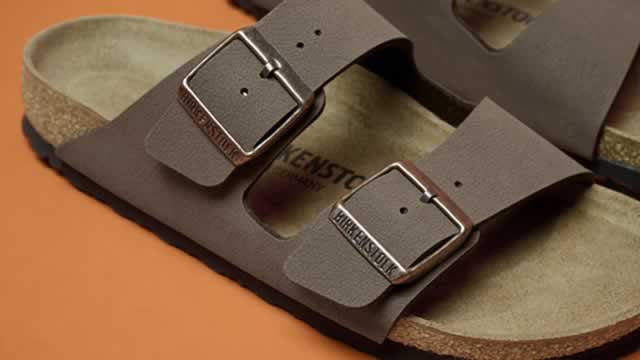
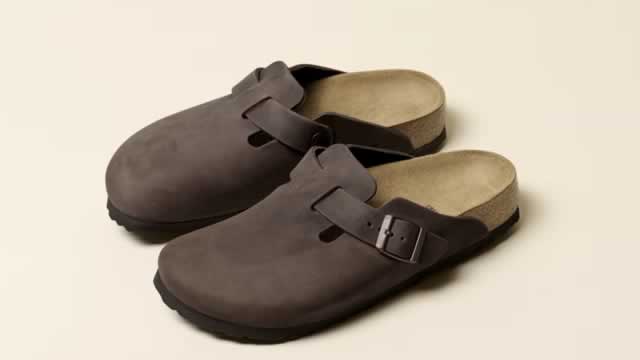
Birkenstock designs and sells footwear centered on its signature footbed concept and comfort-driven design language. The value chain runs from product development and material sourcing to manufacturing/assembly (primarily through third-party and partner production arrangements), then through two main routes to market: wholesale distribution (with multi-brand retailers and specialty channels) and direct-to-consumer (DTC) via owned retail and e-commerce. The customer experience is reinforced by the distinctive feel and fit of the footbed, which encourages repeat purchasing and multi-pair adoption (seasonal and style variants), supporting demand durability beyond single product cycles.
💰 Revenue Streams & Monetisation Model
Revenue is predominantly transactional (each pair sold) with monetisation driven by (1) brand-led pricing and (2) operating leverage from scale in product design, sourcing, marketing efficiency, and channel management. Margin dynamics typically depend on a few structural levers:
- Wholesale vs. DTC mix: DTC generally carries higher gross margins but requires stronger execution in inventory planning, marketing effectiveness, and fulfillment cost control.
- Product mix: Footbed-focused silhouettes and higher-margin assortments tend to outperform basic categories, especially when seasonal conversion is strong.
- Pricing discipline and markdown management: Gross margin stability depends on avoiding excessive promotion and maintaining consistent sell-through.
While revenue is not “recurring” like a subscription model, the combination of product familiarity (comfort fit) and repeat wardrobe purchasing behaves like a quasi-repeat consumption pattern for a portion of the customer base.
🧠 Competitive Advantages & Market Positioning
Birkenstock’s moat is best characterized as intangible assets + switching costs, supported by manufacturing know-how and consumer habit formation around footbed comfort.
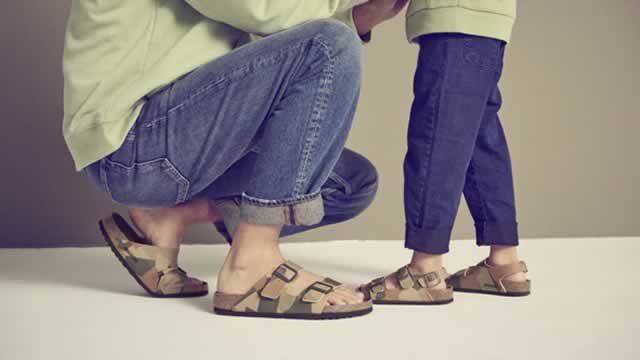
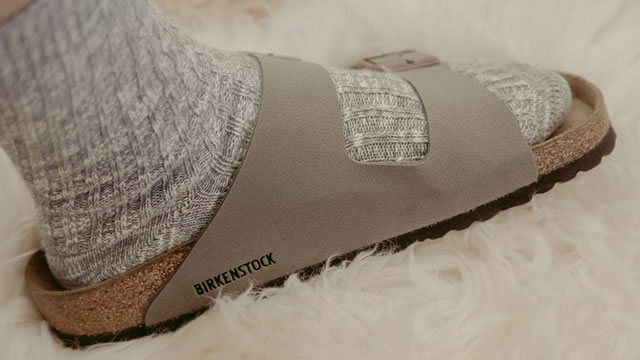
- Switching costs (behavioral): Consumers often adapt to the feel and fit of the Birkenstock footbed, making “try-and-switch” costly in time and comfort experimentation. Over time, this increases the likelihood of repurchasing within the brand’s ecosystem (new styles, seasonal pairs, and replacements).
- Intangible assets: The brand’s design language and footbed concept are widely recognized in comfort footwear. This supports pricing power and channel preference relative to lesser-known comfort competitors.
- Distribution leverage: Wholesale relationships and channel execution create a broader shelf footprint, while DTC provides demand capture and data for product and inventory decisions.
Competitive benchmarking (primary rivals):
- Crocs: Comfort-first positioning with a different design/technology foundation; Crocs competes heavily on footwear casualness and mass distribution, whereas Birkenstock’s differentiation emphasizes footbed ergonomics and a more “fit-specific” feel.
- Skechers (comfort lines): Broad range of comfort technologies and athletic-casual channels; Skechers competes on breadth and marketing reach, while Birkenstock’s edge is narrower but deeper in footbed identity.
- Dr. Martens: Heritage styling and durability-oriented appeal; this rival competes for style-led customers, but Birkenstock’s category leadership is rooted in comfort and footbed recognition rather than heritage boot aesthetics.
Overall, Birkenstock competes in “comfort footwear with an identifiable footbed system,” whereas many rivals compete either through broader SKU variety (scale-driven) or through different comfort technologies (feature-driven).
🚀 Multi-Year Growth Drivers
Over a 5–10 year horizon, Birkenstock’s growth profile is supported by both category tailwinds and company-specific execution:
- Comfort and casualisation of daily wear: Structural consumer preference for walkability, comfort, and versatile everyday silhouettes expands the addressable market beyond traditional sandal buyers.
- International expansion via distribution depth: Additional penetration through wholesale partners and improved DTC footprint can extend demand well beyond mature markets.
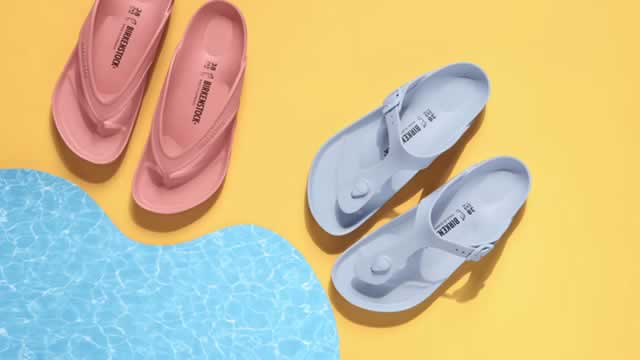
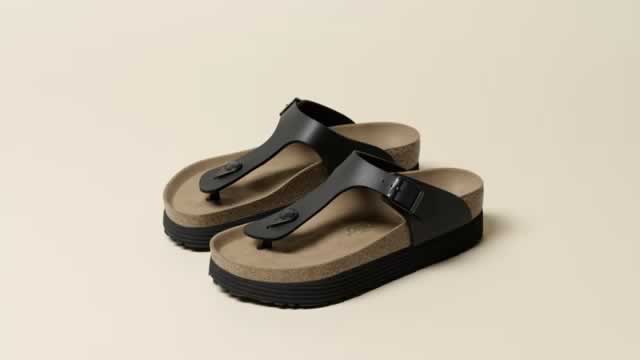
- Assortment growth around the footbed franchise: Product line extensions (new upper materials, colors, seasonal variations) can deepen customer lifetime value without requiring a complete brand reset.
- DTC scale and merchandising discipline: Higher channel control can improve sell-through, reduce reliance on promotions, and support more efficient product feedback loops.
- Premiumisation supported by brand equity: Where the brand sustains consumer willingness-to-pay, average selling dynamics can improve even when unit growth normalizes.
⚠ Risk Factors to Monitor
- Demand cyclicality and inventory risk: Consumer discretionary spending and fashion trends can shift. Poor inventory planning can pressure wholesale terms and lead to margin erosion from promotions/markdowns.
- Competitive imitation and feature convergence: Comfort footwear is attractive to incumbents and fast followers. Competitors may replicate styling and comfort cues, compressing differentiation.
- Channel concentration and wholesale dependence: If wholesale partners reduce orders or shift promotional intensity, revenue growth and gross margin stability can be affected.
- Manufacturing and supply continuity: Any disruption to partner production capacity, lead times, or input sourcing can affect delivery performance and product availability.
- Brand dilution risk: Overexpansion of assortments or excessive discounting can weaken pricing power and long-term brand desirability.
📊 Valuation & Market View
Consumer footwear brands are typically valued through a mix of EV/EBITDA and price-to-sales (P/S) frameworks, with the market paying attention to growth sustainability and margin durability. Key variables that tend to move valuation include:
- Gross margin trajectory: Driven by product mix, pricing discipline, and the wholesale-to-DTC mix.
- Operating leverage: Evidence that scale can outpace overhead growth (merchandising, distribution, and general expenses).
- Sell-through quality: Stronger conversion with controlled promotions supports sustainable earnings power.
- Channel health: Stable wholesale relationships and improving DTC economics reduce downside to earnings estimates.
A durable valuation premium generally requires confidence in continued brand-led pricing, consistent inventory hygiene, and resilient demand across styles and geographies.
🔍 Investment Takeaway
Birkenstock’s long-term investment case rests on a defensible combination of intangible brand assets and consumer switching friction built around a distinctive footbed comfort identity. If the company maintains pricing discipline, preserves channel execution, and continues extending its footbed franchise globally through a balanced wholesale/DTC approach, it can compound earnings capacity through category growth while limiting competitive erosion.
⚠ AI-generated — informational only. Validate using filings before investing.















 Growth Catalysts