
📘 VICTORIA S SECRET (VSCO) — Investment Overview
🧩 Business Model Overview
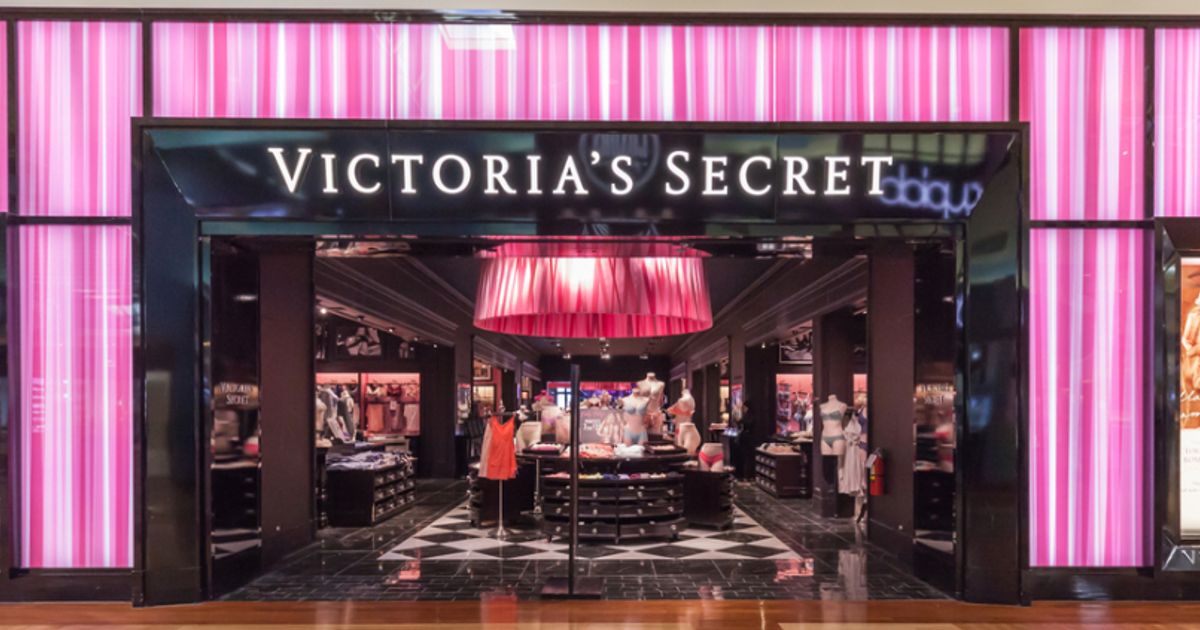
Victoria’s Secret operates a vertically coordinated brand model in intimate apparel and beauty. Value creation begins with product design and merchandising (bra, panties, loungewear, sleepwear, and fragrance/beauty assortments), followed by sourcing and distribution. Revenue is captured through two primary routes:- Direct-to-consumer (DTC): Company-operated stores and e-commerce, where pricing, promotion, and product presentation are controlled.
- Wholesale/partners: Distribution through select retail partners, which extends reach and moderates fixed-store reliance.
💰 Revenue Streams & Monetisation Model
Victoria’s Secret monetises primarily through product sales, with profitability driven by how effectively it manages:- Gross margin: Mix between full-price vs. promotional units, product category mix (lingerie vs. adjacent categories), and input/transport costs.
- Operating leverage: Store productivity and e-commerce contribution margin, plus overhead discipline in marketing, fulfillment, and store operations.
- Inventory velocity: Markdown intensity and the ability to forecast demand across seasonal lingerie and gifting/beauty periods.
🧠 Competitive Advantages & Market Positioning
Victoria’s Secret’s moat is best characterised as a combination of Intangible Assets and Scale/Distribution leverage, with some soft switching frictions arising from product familiarity and fitting preferences. Key moat elements:- Intangible brand equity (luxury-adjacent positioning): Brand meaning in intimate apparel supports shelf presence, online merchandising effectiveness, and consumer willingness to try new seasonal drops within a known brand.
- Merchandising and fit-development capabilities: Intimate apparel performance depends on fit, comfort, and durability—capabilities that compound over product cycles and reduce the likelihood of rapid competitive substitution.
- Omnichannel execution and distribution reach: DTC control over pricing and presentation, paired with partner distribution, provides resilience in demand fluctuations and supports efficient inventory routing.
- Hanesbrands (HBI) — stronger mass-market scale and value proposition; broader basic-intimates category exposure with less “brand premium” intensity.
- PVH (PVH / Calvin Klein) — globally scaled brand licensing and apparel intimacy; more diversified brand portfolio reduces reliance on any single category trend.
- ThirdLove (DTC peer) — fit-and-comfort digital native; narrower assortment than VSCO but strong conversion mechanics through product storytelling and online experience.
🚀 Multi-Year Growth Drivers
Over a 5–10 year horizon, growth is most likely to come from expansion of category penetration and improved monetisation efficiency rather than structural demand creation alone:- Category expansion through “adjacent intimacy”: Growth in loungewear, sleepwear, shapewear, and elevated basics can broaden the customer’s wardrobe beyond core bras/panties.
- Beauty portfolio deepening: Fragrance and beauty items can contribute more stable repeat purchasing and potentially smoother demand than pure seasonal lingerie cycles.
- DTC mix improvement: Increasing e-commerce contribution while maintaining disciplined store productivity can enhance operating leverage and improve demand signalling for inventory decisions.
- Omnichannel data and merchandising refinement: Better assortment planning and channel allocation can reduce markdown reliance and improve full-price rates.
⚠ Risk Factors to Monitor
Primary structural risks relate to brand economics, inventory discipline, and competitive intensity:- Promotional cycle pressure: The intimate apparel category can enter periods of heightened promotions; margin outcomes depend on maintaining demand elasticity and inventory discipline.
- Brand relevance and product execution risk: Intimate apparel performance is sensitive to fit, comfort, and styling; execution missteps can shift consumer preference toward competitors.
- Inventory and forecasting complexity: Seasonal demand forecasting and size/channel mix errors can translate into markdowns and reduced working capital efficiency.
- Retail partner concentration/terms: Wholesale exposure can amplify risks tied to partner shelf strategies, category priorities, and promotional expectations.
- Labor and logistics cost inflation: Store operations and fulfillment costs impact operating margins, particularly if pricing power does not keep pace.
📊 Valuation & Market View
The market typically values apparel and specialty retail through a combination of price-to-sales and enterprise value versus earnings/operating cash flow, with investor focus on:- Gross margin trajectory (full-price rate and markdown intensity)
- Operating leverage potential (fixed-cost absorption via sales productivity)
- Inventory quality and turnover (working capital efficiency and markdown risk)
- DTC mix and e-commerce profitability (channel economics and customer conversion)
🔍 Investment Takeaway
Victoria’s Secret’s long-term investment case rests on a brand-based intangible asset advantage supported by product merchandising capabilities and omnichannel distribution. The core upside profile is tied to maintaining brand relevance, improving full-price execution, and extracting operating leverage via DTC and beauty mix. The principal bear case is sustained promotional pressure and inventory/assortment execution risk—factors that directly determine gross margin sustainability and cash generation.⚠ AI-generated — informational only. Validate using filings before investing.


















 Growth Catalysts