
📘 BEYOND MEAT INC (BYND) — Investment Overview
🧩 Business Model Overview
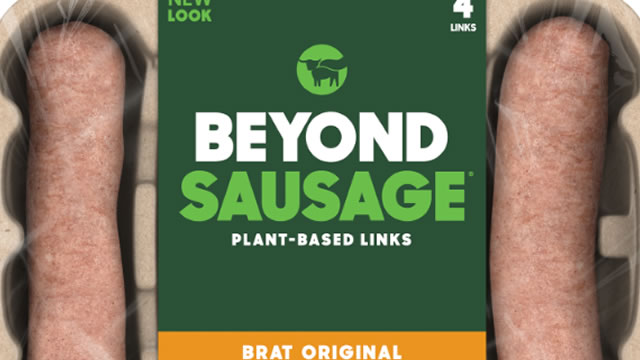
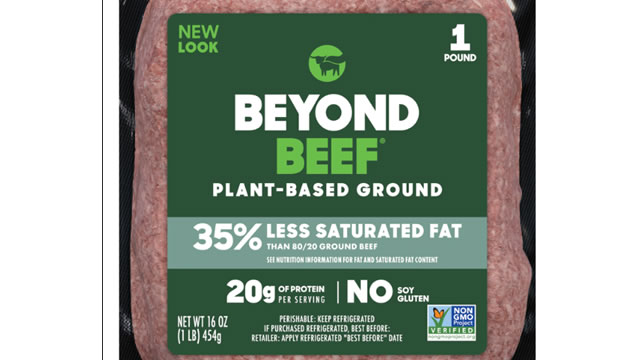
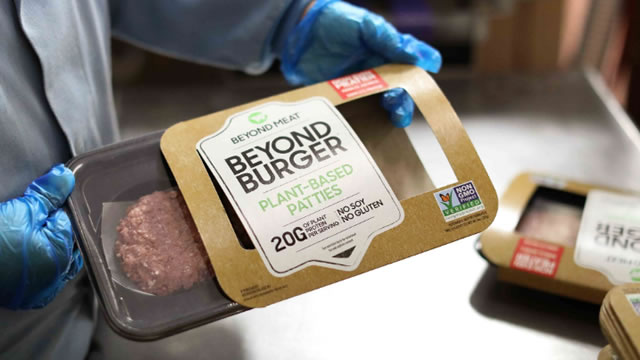
Beyond Meat develops and manufactures plant-based meat products and sells them through established retail and foodservice channels. The value chain centers on (1) ingredient sourcing (plant proteins, fats, binders, flavor systems), (2) formulation and process engineering to achieve texture and cooking behavior that approximates meat, (3) manufacturing execution to control yield and throughput, and (4) distribution into supermarkets and away-from-home customers (grocers, distributors, and restaurant operators).
“Customer stickiness” in this category is less about formal contracts and more about repeat purchase behavior and menu/assortment inertia: retailers and foodservice operators adopt products that (a) meet operational requirements (prep/cook consistency, shelf-life), (b) sustain consumer demand at acceptable gross margin, and (c) maintain reliable supply. That creates some switching friction, but it is not the same kind of durable lock-in seen in subscription software or regulated utilities.
💰 Revenue Streams & Monetisation Model
Revenue is primarily generated from product sales of branded plant-based meat items. Monetisation is predominantly transactional (unit sales) rather than recurring; however, meaningful operating leverage can emerge from volume scaling, fixed-cost absorption in manufacturing, and better channel efficiency when demand is stable.
Key margin drivers include:
- Ingredient and input cost economics: plant protein inputs and specialty components influence gross margin.
- Manufacturing yields and throughput: process stability and conversion efficiency affect cost per unit.
- Freight and logistics: distribution costs and damage/returns matter for packaged chilled/frozen supply chains.
- Channel mix: retail pricing dynamics versus foodservice case pricing and promotions can shift blended margins.
🧠 Competitive Advantages & Market Positioning
The competitive set is intense and fast-moving; durable advantage, when it exists, tends to be rooted in product engineering and cost-down execution rather than structural switching costs. The moat is best characterized as a combination of:
- Intangible assets (process know-how & formulations): textured proteins require proprietary formulation and manufacturing learnings to deliver consistent sensory performance across supply and production runs.
- Scale and operating execution: as volumes rise, fixed manufacturing overhead and quality costs can be absorbed more efficiently, improving unit economics.
- Distribution/assortment relationships: once product lines are integrated into retailer and foodservice assortments, re-listing and re-training can create incremental friction for competitors (even though it remains contestable).
Competitive benchmarking:
- Impossible Foods: strong focus on fermentation-adjacent ingredients and consumer-facing product iteration. The rivalry is largely product-performance and cost-down driven.
- Tyson Foods (including plant-based offerings via partnerships/brands): the advantage is scale in protein supply chains and established distribution, with the ability to leverage existing manufacturing and logistics footprint.
- Quorn Foods (MGP/other protein-based alternatives): competes in meat-analogue demand with different protein systems and product formats, often targeting texture and culinary versatility.
Positioning contrast: Beyond Meat competes directly in plant-based meat categories dominated by large food manufacturers with distribution leverage (Tyson) and well-capitalized plant-based peers (Impossible), while also facing alternative protein substitutes (e.g., mycoprotein-based offerings like Quorn). The differentiating battleground remains cost per kilogram of protein delivered to texture—paired with consistent execution through manufacturing and channel operations.
🚀 Multi-Year Growth Drivers
Over a 5–10 year horizon, growth is tied to structural shifts in protein consumption and product penetration:
- Category expansion of plant-based protein: total addressable demand grows when products move from trial purchases to repeat consumption and broader menu inclusion.
- Retail and foodservice normalization: shelf-space gains, broader distribution coverage, and deeper menu integration can lift unit volumes beyond niche assortments.
- Cost-down learning curves: scaling manufacturing, improving yields, and optimizing formulations can expand the economic case versus meat alternatives.
- Regulatory and labeling frameworks: clarity in labeling and standards can reduce friction for retailers and foodservice operators when communicating product attributes.
- Innovation cycle: ongoing product improvements (better culinary performance, reduced cook variability, and broader SKU coverage) can support customer retention within channels.
⚠ Risk Factors to Monitor
- Margin compression from competition: peers and large incumbents can use scale and supply-chain advantages to price aggressively, pressuring gross margin and operating leverage.
- Input cost volatility: ingredient price swings and supply constraints can undermine unit economics without offsetting formulation or process improvements.
- Technological substitution: cell-based protein and other protein modalities could shift consumer preferences and retailer allocation, reducing growth rates.
- Regulatory and labeling developments: changes in definitions/requirements can affect product placement, advertising practices, and customer perception.
- Capital intensity and execution risk: maintaining manufacturing performance, quality, and supply reliability requires continued investment; missteps can drive costly write-offs and inventory issues.
- Channel dependency: retailers can rationalize SKUs and promotions, and foodservice operators can reprice or swap suppliers quickly, limiting durability of demand.
📊 Valuation & Market View
Equity markets typically value plant-based food companies using sales-based frameworks (e.g., EV/Revenue or price-to-sales) when profitability is uncertain, with EV/EBITDA or enterprise value to gross margin becoming more relevant as margins stabilize. The valuation sensitivity generally concentrates on:
- Path to sustainable gross margin improvement: evidence of durable cost reductions versus temporary promotional effects.
- Operating leverage credibility: whether overhead and fulfillment costs grow slower than revenue.
- Channel momentum: sustained distribution breadth and repeat purchase indicators implied by sell-through trends.
- Balance sheet and liquidity discipline: cash burn profile and funding requirements influence risk premia.
In this sector, multiple expansion typically depends less on top-line growth alone and more on translating volume into consistent unit economics.
🔍 Investment Takeaway
Beyond Meat offers exposure to a growing plant-based protein category, with potential value creation hinging on execution: improving ingredient-to-texture economics, sustaining manufacturing yields, and converting distribution into repeat purchasing. The core competitive advantage is not classic switching-cost lock-in, but rather formulation/process know-how, scale-driven cost-down, and operational reliability within retail and foodservice channels. The investment case warrants a close focus on margin resilience, competitive pricing pressure, and whether the company can reach durable profitability without excessive balance-sheet strain.
⚠ AI-generated — informational only. Validate using filings before investing.













 Growth Catalysts