
📘 HP INC (HPQ) — Investment Overview
🧩 Business Model Overview
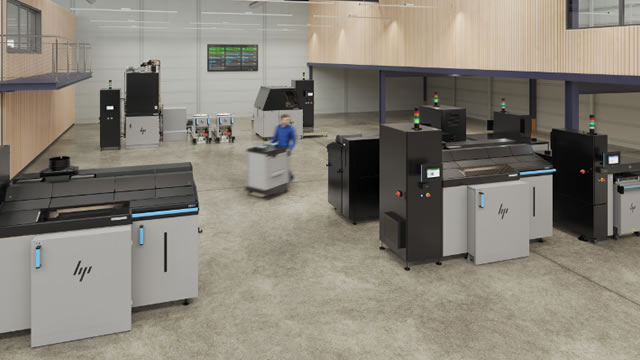
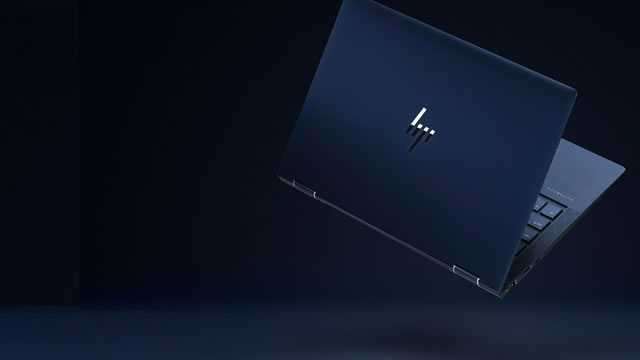
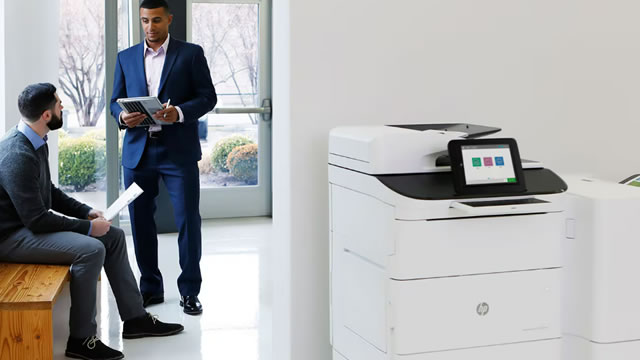
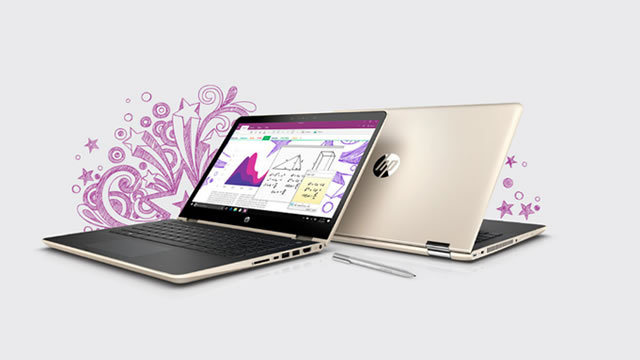
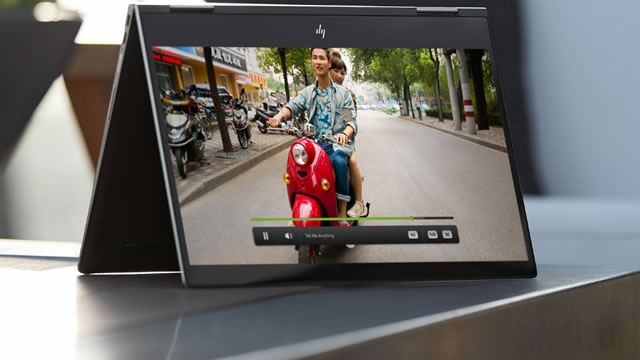
HP Inc. operates through two tightly linked segments: (1) client devices (primarily PCs and related accessories) and (2) imaging/printing solutions (printers plus consumables and related services). The economic engine is the installed base. Devices create a base of users that then generate repeat demand for printer supplies (toner/ink), accessories, and—where adopted—managed print workflows. In commercial environments, printer fleets and document processes tend to be standardized and administered centrally, which increases procurement and workflow stickiness.💰 Revenue Streams & Monetisation Model
HP monetizes via a mix of one-time hardware sales and recurring usage-based economics:- Transactional revenue: PCs, printers, and accessories sold through OEM/channel partners and enterprise channels. Device margins are typically sensitive to component costs, competitive pricing, and mix (consumer vs. commercial).
- Recurring/usage revenue: Supplies (toner/ink), imaging-related consumables, and certain services. Supplies tend to exhibit steadier demand because printers require periodic replenishment.
- Service-like monetisation: Managed print services and document workflow offerings (where bundled/contracted) monetize per-page or fleet-level outcomes rather than only one-time equipment sales.
🧠 Competitive Advantages & Market Positioning
HP’s moat is best described as installed-base switching costs combined with scale cost advantages in hardware supply chains and (in commercial printing) process integration.- Switching costs (high in practice): Printer fleets become operationally “sticky” due to installed base, IT/admin integration, workflow standardization, and the purchasing and replenishment rhythm of supplies. Even when competitors offer comparable printers, switching can require requalification, IT changes, training, and procurement realignment.
- Consumables economics: Supplies consumption creates ongoing monetisation tied to the installed base. This dynamic makes HP less dependent on each new hardware unit for long-run profitability.
- Cost advantages (scale and procurement): HP’s manufacturing footprint and component sourcing scale support competitive unit economics, particularly in devices where performance differentiation is often incremental.
- PC competitors: Dell Technologies and Lenovo emphasize end-to-end PCs and infrastructure adjacencies. HP competes across client devices with similar channel reach, while seeking differentiation through commercial fleet optimization and imaging ecosystem benefits.
- Printing competitors: Canon and Epson (and in some categories Brother) compete on printers and imaging systems. Canon/Epson tend to be more printing-first, while HP’s portfolio spans both PCs and imaging, allowing it to leverage shared enterprise relationships and channel access.
🚀 Multi-Year Growth Drivers
A durable thesis over a 5–10 year horizon rests on several structural drivers:- Commercial fleet refresh and security-driven upgrades: Enterprises continue to upgrade endpoints for security, manageability, and lifecycle compliance, supporting a replacement-driven PC market.
- Digitization does not eliminate printing; it changes mix: Printing volumes can shift toward color, specific document types, and distributed printing models. The addressable opportunity expands around workflow solutions rather than only page volume.
- Managed print workflows and per-page models: Contracted fleet management can stabilize demand for supplies and service-like revenues, especially in regulated or operationally complex environments.
- Product mix and productivity features: Higher-value printer categories and configurations can improve average selling characteristics by targeting business-critical use cases (speed, reliability, manageability).
⚠ Risk Factors to Monitor
- Hardware commoditization and pricing pressure: PCs and printers face rapid performance parity and competitive undercutting, which can compress device margins and reduce operating leverage.
- Supply-dependent economics: Supplies profitability hinges on installed base health and competitive cartridge/ecosystem dynamics. Any erosion in usage economics can offset device volume gains.
- Regulatory and right-to-repair/certification constraints: Cartridge and printing ecosystem regulations can affect monetisation models and compatibility practices, altering competitive dynamics.
- Technological substitution: Continued movement toward digital document workflows can reduce certain print demand categories, requiring ongoing portfolio adaptation toward business-relevant outputs.
- Supply chain and component volatility: Manufacturing and logistics costs can swing with component pricing, freight costs, and geopolitical disruptions.
📊 Valuation & Market View
Equity valuation for HPQ typically reflects a blend of:- Cyclical hardware cash flow: Investors often anchor on free-cash-flow durability through device cycles and working-capital discipline.
- Supplies and imaging “quality premium”: Sustained supplies economics can justify a higher multiple than a pure hardware platform.
- Operating leverage potential: Market sensitivity to gross margin stability, cost control, and mix (devices vs. imaging/supplies) is high.
🔍 Investment Takeaway
HP Inc. offers a pragmatic, installed-base-driven model in a hardware market that can be cyclical but is partially cushioned by recurring imaging economics. The investment case centers on switching costs from fleet standardization and consumables dependency, complemented by scale-driven cost advantages in device manufacturing. Returns depend on maintaining supplies profitability while navigating commoditization in PCs and printers, with managed print and workflow solutions serving as the bridge between transactional hardware and more resilient lifecycle revenue.⚠ AI-generated — informational only. Validate using filings before investing.














 Growth Catalysts