📘 WILLIAMS INC (WMB) — Investment Overview
🧩 Business Model Overview
WILLIAMS INC is a fee-based natural gas and liquids midstream operator. The value chain centers on moving U.S. natural gas from supply basins to regional demand and export markets, while also capturing value from processing and moving associated natural gas liquids (NGLs) and related liquids.
Most cash flows are generated through owning and operating pipeline transportation, gathering, storage, and processing/fractionation infrastructure. Customers (producers, marketers, utilities, industrial users, and LNG-related counterparties) pay for capacity and logistics through contractual tariff structures. This creates “use-it-or-pay” style economics in many segments, with revenue tied to contracted capacity and delivered volumes rather than direct commodity trading.
💰 Revenue Streams & Monetisation Model
WMB monetizes infrastructure primarily through:
- Natural gas transportation tariffs: recurring revenue streams linked to transporting contracted volumes through long-lived assets (pipelines, interconnects, and related systems).
- Storage and peaking services: capacity-driven fees that help balance seasonal demand and supply dynamics.
- Processing/fractionation economics: margin capture from separating NGLs from natural gas and moving them to downstream markets; returns are driven by throughput and processing spreads (less “pure” commodity exposure than an upstream producer, but still sensitive to margin conditions).
- Other midstream services: including terminal/logistics-related cash flows tied to throughput and contracted arrangements.
Margin structure is dominated by logistics availability and contract coverage. In most midstream models, the major determinant of sustainability is how much cash flow is anchored by take-or-pay / firm service arrangements and how efficiently assets can be maintained to preserve throughput.
🧠 Competitive Advantages & Market Positioning
WMB’s competitive position is best understood as a combination of geographic cost advantage and logistical infrastructure moat.
- Geographic cost advantage (low-cost feedstock to demand access): U.S. shale and associated production create abundant natural gas supply in North America. Pipeline operators that are positioned to move gas from these supply regions to high-value demand corridors (including Gulf Coast and other consumption/export-oriented centers) benefit from structural pricing differentials and the economics of delivered molecules.
- Logistical infrastructure moat (asset gravity and rights-of-way): Natural gas pipelines and terminals face high barriers to entry due to permitting, eminent domain/right-of-way constraints, long construction timelines, and substantial capital needs. Competitors cannot easily replicate system reach or capacity in a short time horizon.
- Switching costs (shipper lock-in to network): Once a shipper’s production and demand are matched to pipeline routing, volumes are difficult to redirect without incurring incremental logistics cost or losing firm access. Capacity contracting and network constraints effectively raise switching frictions.
Competitive benchmarking:
- Enbridge (ENB): broader cross-border and liquids/pipeline exposure with a distinct footprint and different regional mix; competes for midstream capacity but does not substitute one-to-one for WMB’s specific U.S. gas transportation corridor coverage.
- Kinder Morgan (KMI): large U.S. gas and product pipeline operator with overlapping gas transportation customers in some regions; competitive pressure tends to show up where rights-of-way and demand-center access are directly comparable.
- Enterprise Products Partners (EPD): strong presence in U.S. natural gas and NGL logistics and processing; rivalry centers on capturing throughput and contracting volumes across similar downstream NGL demand outlets.
WMB’s industry focus remains centered on natural gas transportation and associated midstream services within U.S. demand corridors—an approach that emphasizes corridor access, throughput durability, and contracted infrastructure value rather than merchant trading.
🚀 Multi-Year Growth Drivers
Over a 5–10 year horizon, growth is supported by structural infrastructure demand rather than only organic consumption growth:
- LNG and export-linked gas flows: expansion of export capacity and associated supply chains increases the need for dependable U.S. pipeline transportation, storage, and balancing.
- U.S. power and industrial flexibility: natural gas plays a role in balancing electricity generation and supporting industrial load; infrastructure that delivers firm capacity benefits from the reliability requirement.
- Pipeline network optimization and debottlenecking: additional capacity from incremental system improvements can be value-accretive relative to building entirely new networks.
- NGL-related value capture: higher efficiency in processing and connectivity to NGL outlets supports cash flow diversification beyond commodity transport alone.
- Contracting discipline and backlog buildout: growth projects tied to customer commitments improve the visibility of future cash flows and reduce the risk of “volume on paper.”
The TAM is fundamentally the infrastructure requirement to connect North American gas supply to durable demand centers. As long as domestic gas remains a low-cost energy input and export/demand corridors expand, pipeline logistics and processing remain essential.
⚠ Risk Factors to Monitor
- Regulatory and tariff risk: FERC rate-setting, regulatory determinations, and shifting policy priorities can alter the economics of pipeline returns.
- Capital intensity and project execution: Midstream requires ongoing capital for reliability, integrity, and growth. Cost overruns or schedule delays can compress returns.
- Volume and throughput risk: Production mix changes, regional supply shifts, or customer-specific decisions can reduce transported volumes or processing utilization.
- Commodity-driven margin volatility (processing/NGL spreads): While transportation is largely fee-based, processing economics can reflect changes in NGL value and feedstock composition.
- Safety, environmental, and liability: Integrity management, emissions, and incident response carry potential financial and reputational consequences.
- Credit and counterparty risk: Customer defaults or counterparty stress can affect receivables and the durability of contracting structures.
📊 Valuation & Market View
Midstream infrastructure is typically valued through cash flow durability and risk-adjusted return metrics rather than growth-by-revenue alone. Market participants commonly anchor on:
- EV/EBITDA or EV/EBITDA growth outlook (with emphasis on stability of EBITDA and contract coverage)
- Free cash flow profile and distribution capacity (where relevant)
- Leverage and interest-rate sensitivity given midstream capital structures
Key valuation movers include: (1) confidence in contracted cash flows, (2) quality and timing of growth capital, (3) regulatory outcomes, and (4) maintaining asset integrity and operating efficiency.
🔍 Investment Takeaway
WILLIAMS INC offers an infrastructure-based investment thesis anchored by geographic cost advantage and a logistical moat in U.S. natural gas transportation and associated midstream services. The business model emphasizes contract-driven cash flows, hard-to-replicate network reach, and switching frictions created by pipeline logistics. The long-term opportunity is tied to the enduring need to connect low-cost North American gas supply to reliable demand and export corridors, tempered by regulatory and capital-execution risks typical of midstream operators.
⚠ AI-generated — informational only. Validate using filings before investing.
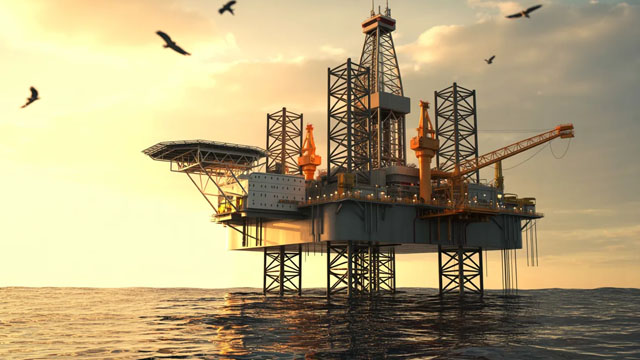
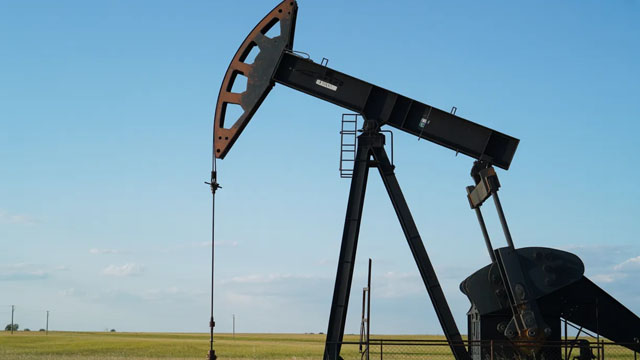











 Growth Catalysts